



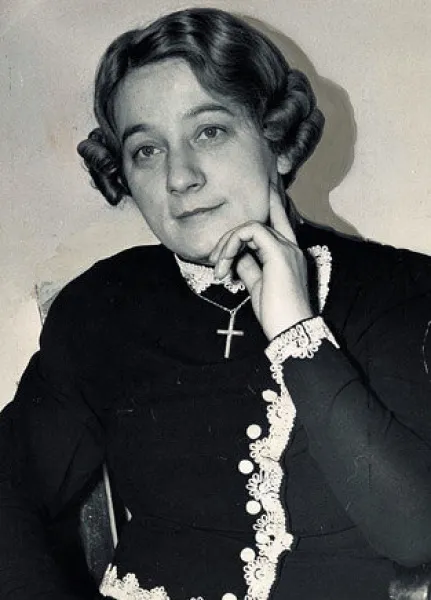
Forensic & Criminological Matrix
| Parameter | Forensic Detail |
|---|---|
| Forensic Heading / Aliases | "The Duchess" |
| Legal Identity | Evelita Juanita Spinelli |
| Confirmed Victims | 1 (Robert Sherrod) |
| Active Timeline | 1940 |
| Jurisdiction / Area of Operations | Northern California, United States |
| Criminological Classification | Organized crime ringleader / Indirect homicide orchestrator |
| Forensic Modus Operandi | Conspiracy, administration of incapacitating agents (chloral hydrate / Mickey Finn), and elimination of internal witnesses via forced drowning |
| Weapon / Mechanism of Death | Chloral hydrate poisoning followed by water immersion / drowning |
| Motive / Behavioral Dynamics | Elimination of potential informants to secure criminal group immunity |
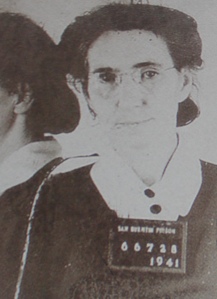
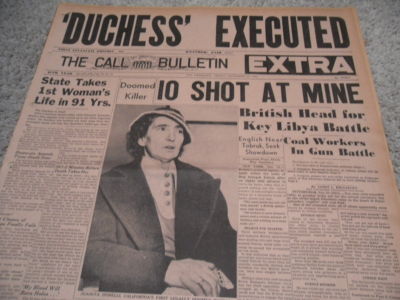
| Judicial Outcome | Sentenced to death in the gas chamber; executed on November 21, 1941, at San Quentin Prison |
1. Background and Profile
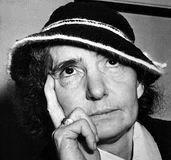
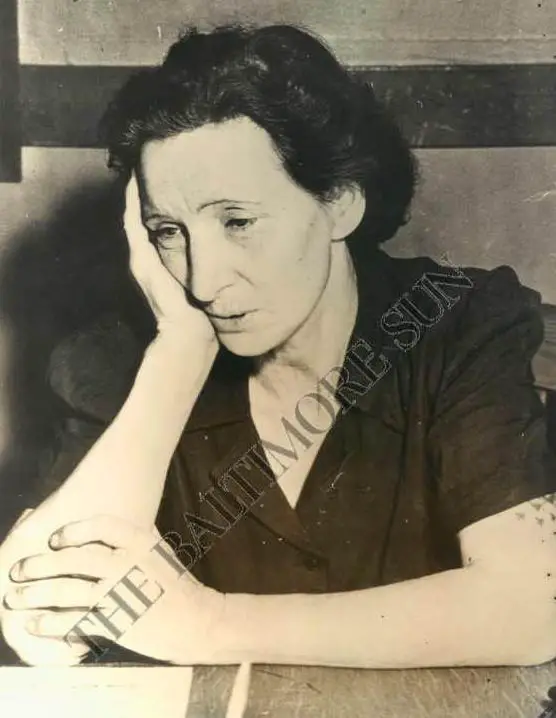
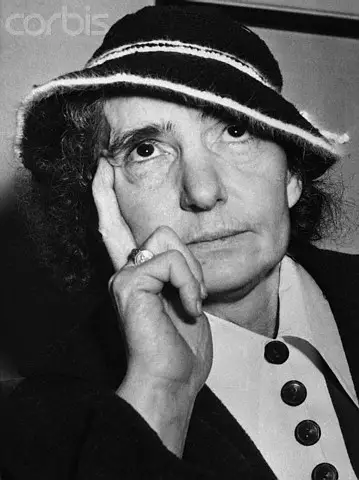
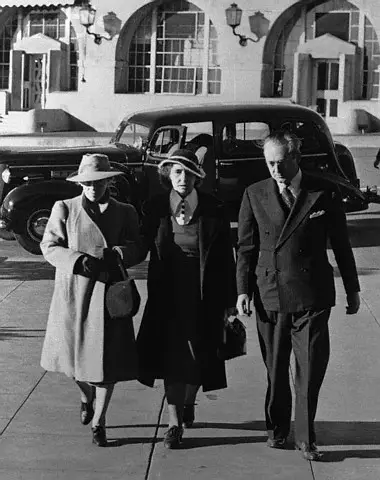
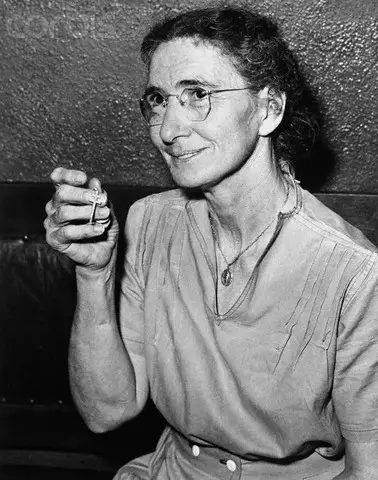
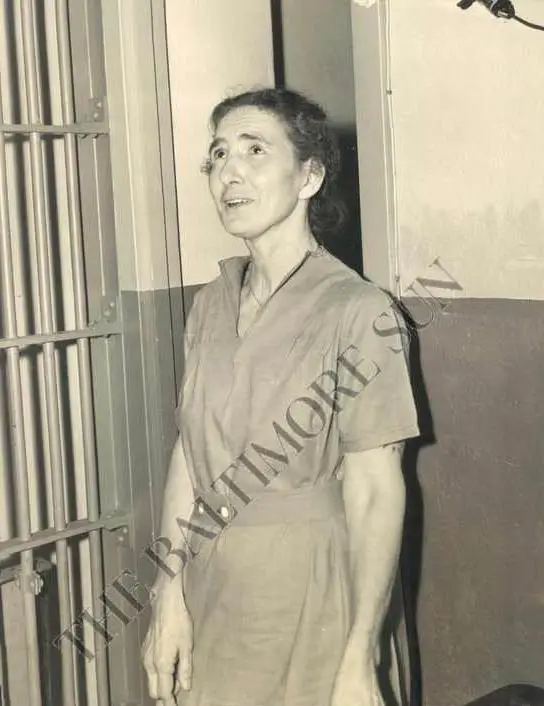
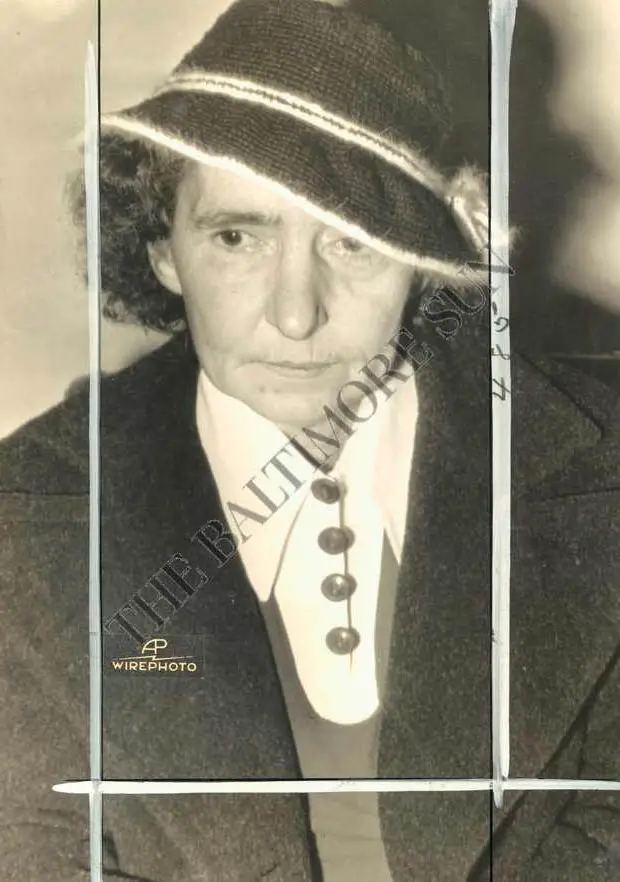
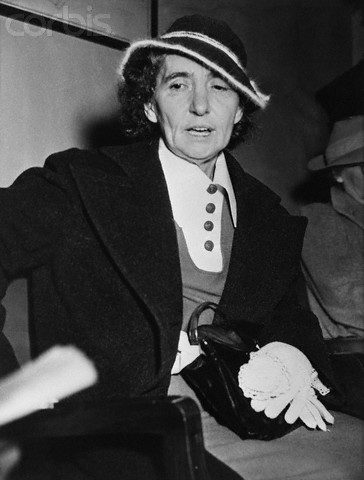
Evelita Juanita Spinelli, criminally designated as "The Duchess," was born around 1889. Her background involved a transient lifestyle across several American states before settling in Detroit, where she allegedly associated with criminal syndicates such as the Purple Gang. Moving westward to California in early 1940 with her common-law husband Mike Simeone, Spinelli established herself as the matriarch and mastermind of a violent robbery ring composed largely of troubled youths and juvenile delinquents. She exercised strict control over the group, weaponizing her skills by crafting lead-filled leather saps and directing their criminal enterprises.
2. Crime Spree
The syndicate's descent into capital violence peaked in April 1940, when gang member Albert Ives shot and killed Leland S. Cash during a gas station robbery in San Francisco. Another young associate, 18-year-old Robert Sherrod, witnessed the crime and began discussing it openly, creating deep apprehension within the leadership. Recognizing Sherrod as an internal liability, Spinelli ordered his immediate elimination. After debating various methods, Spinelli mixed chloral hydrate into Sherrod's whiskey at a hideout in Modesto. Once incapacitated, the victim was transported in the trunk of a stolen vehicle and tossed alive off the Freeport Bridge into the Sacramento River.
3. Investigation and Arrest
The criminal conspiracy unraveled rapidly due to internal paranoia. Fearing that he was marked for execution next during a trip near Truckee, Albert Ives fled the group and surrendered to law enforcement. Ives provided a complete confession detailing Spinelli's command and the specifics of Sherrod's murder. Police promptly arrested Spinelli, Simeone, and remaining associates, securing critical testimonial evidence that dismantled the Northern California criminal ring.
4. Legal Proceedings and Outcome
Spinelli was prosecuted in Sacramento for masterminding Sherrod's murder. Despite attempts during trial to deflect blame onto Ives, the evidentiary record established her absolute leadership in the conspiracy. The jury returned a verdict of guilty, resulting in a mandatory sentence of death. Her appeals and requests for reprieves were ultimately exhausted, bringing her case before the state's judicial execution mechanism.
5. Psychological Evaluation and Execution
Juanita Spinelli's case stands as a landmark in California legal history, as she became the first woman executed by the state in nearly a century. On November 21, 1941, she entered the gas chamber at San Quentin Prison with photographs of her children pinned to her dress. Her execution signified the complete dissolution of her criminal cell, closing a dark chapter of Depression-era underworld violence in the American West.