Forensic & Criminological Matrix
| Parameter | Forensic Detail |
|---|---|
| Forensic Heading / Aliases | The School-girl Strangler |
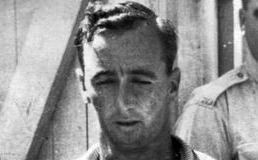
| Legal Identity | Arnold Karl Sodeman |
| Confirmed Victims | 4 |
| Attributed / Indicted Victims | 4 |
| Active Timeline | 1930 - 1935 |
| Jurisdiction / Area of Operations | Victoria, Australia |
| Criminological Classification | Serial Killer |
| Forensic Modus Operandi | Abduction, binding, gagging, and strangulation |
| Weapon / Mechanism of Death | Manual strangulation and ligatures |
| Motive / Behavioral Dynamics | Obsessional impulses, alcoholism, leptomeningitis |
| Judicial Outcome | Death penalty by hanging |
1. Background and Profile
Arnold Karl Sodeman was born in Victoria in 1899. His family history was plagued by mental illness, with both his father and grandfather dying in mental institutions. Sodeman's own criminal record began at 18 with a reformatory sentence for fraud, followed by convictions for armed robbery and assault. Despite a seemingly normal life after 1926, he struggled with alcoholism and depression.
2. Crime Spree
Sodeman's killing spree began in November 1930 with the abduction of 12-year-old Mena Griffiths. He typically used his bicycle to approach young girls, luring them away before raping and strangling them. His confirmed victims were Mena Griffiths (1930), Hazel Wilson (1931), Ethel Belshaw (1935), and June Rushmer (1935).
3. Investigation and Arrest
Police struggled for years to identify the killer. The breakthrough came after the murder of June Rushmer, when a co-worker reported Sodeman's suspicious and aggressive behavior regarding the crime. Upon arrest, Sodeman confessed to all four murders, detailing his specific method of strangulation.
4. Legal Proceedings and Outcome
During his 1936 trial, the defense argued insanity due to a mental disorder exacerbated by alcohol. The jury rejected this plea, finding him guilty of murder. After failed appeals, Sodeman was executed at Pentridge Prison on June 1, 1936. Post-mortem examinations revealed he suffered from leptomeningitis, which likely contributed to his violent behavioral shifts.