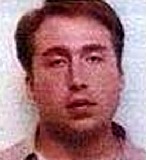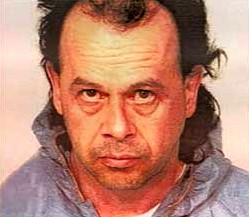
Forensic & Criminological Matrix
| Parameter | Forensic Detail |
|---|---|
| Forensic Heading / Aliases | The House Hermit |
| Legal Identity | David Alexander Snow |
| Confirmed Victims | 2 |
| Attributed / Indicted Victims | 4 |
| Active Timeline | 1991-1992 |
| Jurisdiction / Area of Operations | Ontario and British Columbia, Canada |
| Criminological Classification | Serial Killer / Sexual Predator |
| Forensic Modus Operandi | Kidnapping, confinement, sexual assault, strangulation |
| Weapon / Mechanism of Death | Firearms, manual strangulation, ligatures |
| Motive / Behavioral Dynamics | Control, domination, sexual gratification |
| Judicial Outcome | Life imprisonment (Dangerous Offender status) |
1. Background and Profile
David Alexander Snow (born 1955) was an antique dealer and house restorer based in Orangeville, Ontario. Known as a reclusive individual with a penchant for military paraphernalia, he maintained a facade of normalcy that allowed him to operate within local business circles. His transition from a social acquaintance to a violent predator remained hidden until his criminal spree escalated in 1992.
2. Crime Spree
Snow's criminal activities began with breaking and entering into vacant cottages, earning him the moniker 'The House Hermit'. In April 1992, he murdered Ian and Nancy Blackburn at their Caledon farm. Following the murders, he fled to British Columbia, where he engaged in a series of kidnappings and sexual assaults, demonstrating a high level of violence and control over his victims.
3. Investigation and Arrest
The investigation was cracked when Alison Shaw, a former business associate, recognized Snow's unique handwriting and military-themed lists in a newspaper report. This led police to search his abandoned warehouse, where they recovered incriminating journals. Snow was apprehended in July 1992 after a brutal assault on a woman in Vancouver, where he was caught at the scene.
4. Legal Proceedings and Outcome
Snow faced multiple trials for his crimes. His Ontario trial for the Blackburn murders was characterized by a contentious defense strategy, leading to significant judicial intervention. Ultimately, he was convicted and declared a 'Dangerous Offender', resulting in an indeterminate life sentence. He remains incarcerated within the Canadian federal prison system.