Forensic & Criminological Matrix
| Parameter | Forensic Detail |
|---|---|
| Forensic Heading / Aliases | The Killer Handyman |
| Legal Identity | William Patrick Fyfe |
| Confirmed Victims | 5 |
| Attributed / Indicted Victims | 9 |
| Active Timeline | 1979 - 1999 |
| Jurisdiction / Area of Operations | Montreal, Quebec, Canada |
| Criminological Classification | Serial Killer |
| Forensic Modus Operandi | Gaining access to homes under the guise of employment |
| Weapon / Mechanism of Death | Strangulation and physical violence |
| Motive / Behavioral Dynamics | Sexual predation |
| Judicial Outcome | Life sentence in a psychiatric facility |
1. Background and Profile
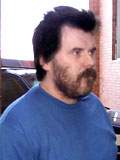
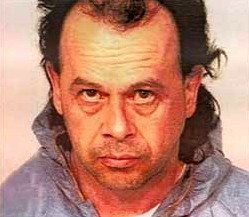
William Patrick Fyfe was born in Toronto, Ontario, in 1955. Raised by an aunt, he moved from Western Canada to Montreal in 1958. As an adult, he worked as a handyman, a profession that allowed him to maintain a facade of normalcy while gaining access to the private residences of his victims.
2. Criminal Career and Modus Operandi
Fyfe began his criminal spree in 1979 at the age of 24. His modus operandi involved using his handyman job to gain the trust of women. Once inside their homes, he would assault and murder them. While he was convicted of five murders, he has claimed responsibility for four others, bringing the total number of attributed victims to nine.
3. Investigation and Arrest
The investigation was long and difficult, relying heavily on forensic evidence. DNA evidence eventually led police to charge Fyfe. He was arrested on December 22, 1999, by the Ontario Provincial Police (O.P.P) at the Husky Truck Stop as he was returning to his pick-up truck.
4. Legal Proceedings and Outcome
The prosecution was led by Crown Prosecutor Jean Lecours. Fyfe's preliminary hearing began on November 6, 2000. He was convicted of five counts of murder. He has only confessed to a portion of the crimes he is suspected of committing.
5. Psychiatric Evaluation and Current Status
Fyfe is currently serving a life sentence in a psychiatric hospital in Saskatchewan, reflecting the court's assessment of his dangerous psychological state.