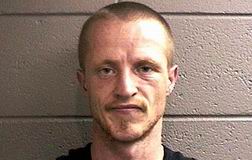
Forensic & Criminological Matrix
| Parameter | Forensic Detail |
|---|---|
| Forensic Heading / Aliases | The Bratislava Strangler |
| Legal Identity | Jozef Slovák |
| Confirmed Victims | 5 |
| Attributed / Indicted Victims | 5 |
| Active Timeline | 1978 - 1991 |
| Jurisdiction / Area of Operations | Slovakia and Czech Republic |
| Criminological Classification | Serial Killer |
| Forensic Modus Operandi | Strangulation, use of neuroparalytic gas, body concealment |
| Weapon / Mechanism of Death | Manual strangulation, gas gun, blunt force trauma |
| Motive / Behavioral Dynamics | Psychopathy, pathological aggression, egocentrism |
| Judicial Outcome | Life imprisonment (1993) |
1. Background and Profile
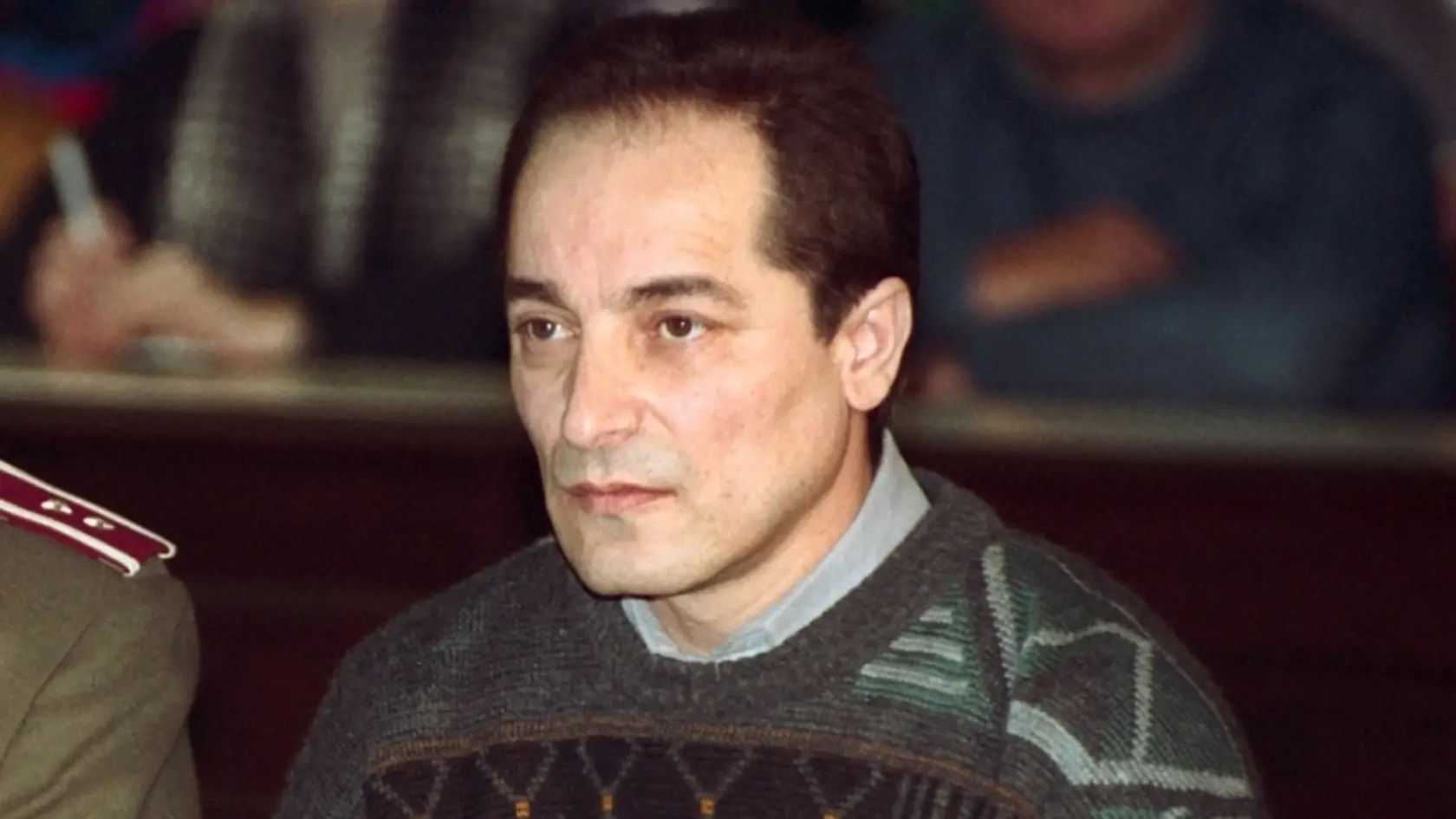
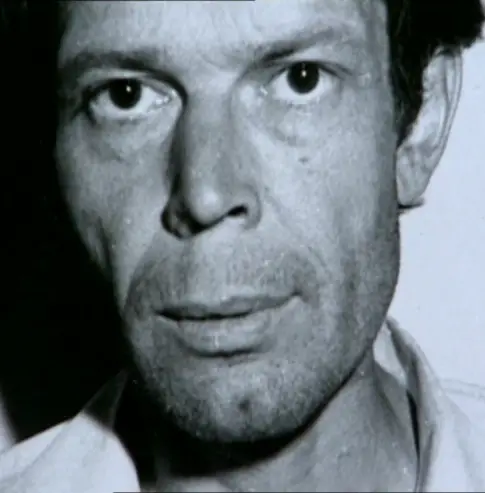
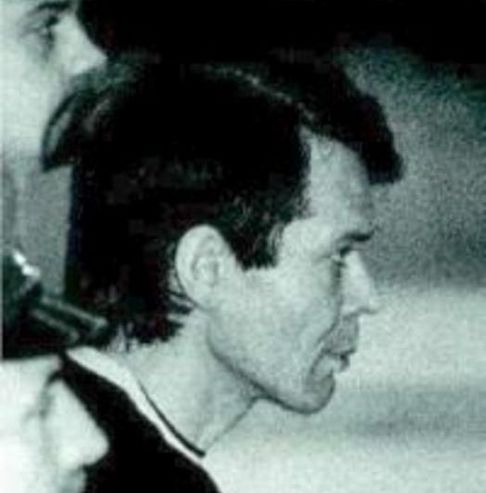
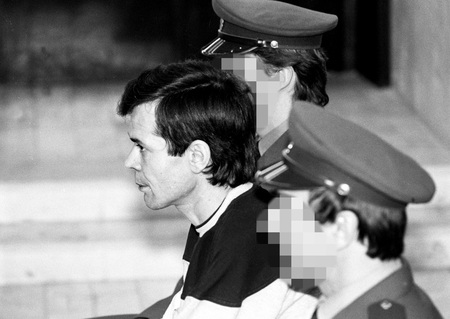
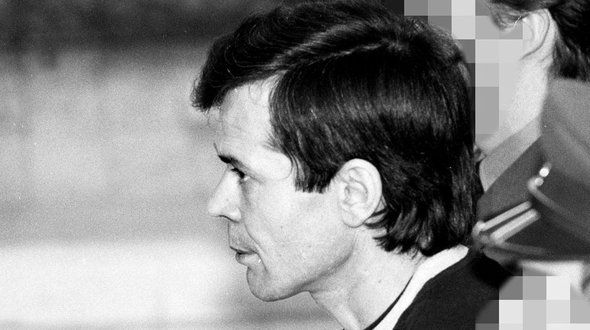
Born on April 7, 1951, in Plavecký Štvrtok, Jozef Slovák was characterized by above-average intelligence and technical aptitude. Forensic psychologists diagnosed him as a psychopath, noting traits of pathological aggression and egocentrism. He lacked traditional substance abuse issues, focusing his criminal energy on predatory behavior and theft.
2. Crime Spree
Slovák's criminal career began in 1978 with the murder of Blaica P. Following his release under the 1990 amnesty, he embarked on a rapid series of murders, claiming four more lives within 18 months. His modus operandi involved luring victims to secluded areas, utilizing gas weapons or manual strangulation, and attempting to confuse investigators by planting false evidence.
3. Investigation and Arrest
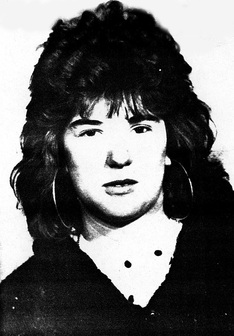
Police investigations were complex due to the perpetrator's calculated efforts to misdirect authorities. He was apprehended on July 18, 1991, in Bratislava. Forensic evidence, including defensive wounds on his body consistent with the struggle against his final victim, Anna Královičová, proved decisive in his capture.
4. Legal Proceedings and Outcome
On August 20, 1993, the City Court of Bratislava sentenced Slovák to life imprisonment. He is currently incarcerated in Ilava Prison. His case remains a landmark in Slovakian criminal history, often cited in discussions regarding the impact of the 1990 presidential amnesty on recidivism rates among violent offenders.