Forensic & Criminological Matrix
| Parameter | Forensic Detail |
|---|---|
| Forensic Heading / Aliases | Virginia Sims |
| Legal Identity | Virginia Sims |
| Confirmed Victims | 1 (Alexis Walker) |
| Active Timeline | June 20, 2011 |
| Jurisdiction / Area of Operations | Norman Park, Georgia, USA |
| Criminological Classification | Familicide / Homicide |
| Forensic Modus Operandi | Forced submersion and manual strangulation |
| Weapon / Mechanism of Death | Asphyxia by drowning |
| Motive / Behavioral Dynamics | Emotional instability and marital conflict |
| Judicial Outcome | Life imprisonment |
1. Background and Profile
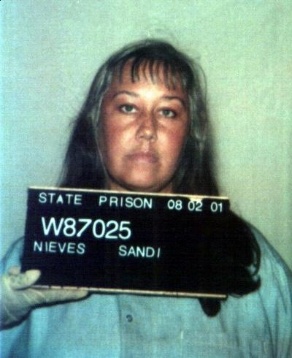
Virginia Sims had a documented history of erratic behavior prior to the homicide. In 2010, she faced charges for first-degree arson and was involved in a single-vehicle crash with her granddaughter, which authorities later identified as a suicide attempt. Despite these red flags, no systemic intervention occurred.
2. Crime Spree
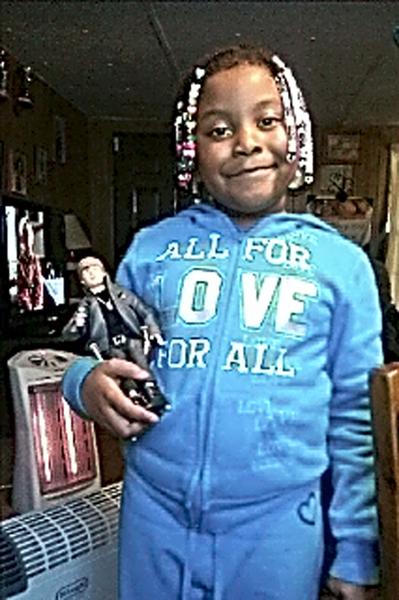
On June 20, 2011, Sims took her six-year-old granddaughter, Alexis Walker, to a pond near Moye Road in Norman Park. She proceeded to drown the child. Forensic examination confirmed the cause of death as asphyxia, noting that the victim was strangled while being held underwater.
3. Investigation and Arrest
The investigation was brief, as Sims confessed to the crime during a 911 call. Georgia Bureau of Investigation (GBI) agents processed the scene and corroborated the timeline through witness statements and the perpetrator's own admissions regarding her marital distress.
4. Legal Proceedings and Outcome
Sims was arrested on June 20, 2011. In February 2012, she entered a guilty plea and was sentenced to life in prison. The case highlighted significant failures in the child welfare reporting system regarding her previous violent incidents.
5. Psychiatric Evaluation and Conclusion
While no formal clinical diagnosis was released to the public, psychiatric experts noted that the perpetrator's actions were consistent with severe, untreated mental health issues, which had been previously ignored by social services.