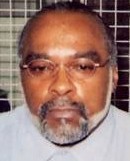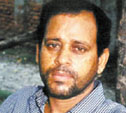
Forensic & Criminological Matrix
| Parameter | Forensic Detail |
|---|---|
| Forensic Heading / Aliases | null |
| Legal Identity | Ershad Sikder |
| Confirmed Victims | 7 |
| Attributed / Indicted Victims | 60 |
| Active Timeline | 1980s - 1999 |
| Jurisdiction / Area of Operations | Khulna, Bangladesh |
| Criminological Classification | Serial Killer / Political Hitman |
| Forensic Modus Operandi | Torture in ice factory, public executions, use of hitmen |
| Weapon / Mechanism of Death | Bladed weapons, firearms, blunt force trauma |
| Motive / Behavioral Dynamics | Political and economic power |
| Judicial Outcome | Executed by hanging |
1. Background and Profile
Ershad Sikder was a powerful and feared figure in Khulna, Bangladesh. His rise from a laborer to a wealthy political figure symbolized the corruption within the local political landscape. He maintained influence by switching allegiances between major political parties.
2. Crime Spree
Sikder operated a private torture cell at his ice factory. His crimes were marked by extreme cruelty, often involving the breaking of bones and public executions to maintain control over his territory. He was accused of over 60 murders.
3. Investigation and Arrest
Following the murder of Juba League leader Khalid Hossain in 1999, Sikder's bodyguard turned state witness, providing detailed accounts of his crimes. He was arrested on August 11, 1999.
4. Legal Proceedings and Outcome
Sikder faced numerous trials. He was convicted and sentenced to death in seven separate cases. After the Supreme Court upheld his death sentence for the Khalid Hossain murder and the President denied his mercy petition, he was executed by hanging on May 10, 2004.