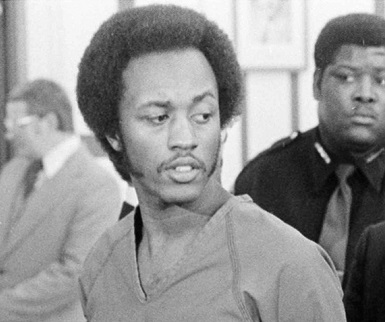
Forensic & Criminological Matrix
| Parameter | Forensic Detail |
|---|---|
| Forensic Heading / Aliases | Tookie |
| Legal Identity | Stanley Tookie Williams III |
| Confirmed Victims | 4 |
| Attributed / Indicted Victims | 4 |
| Active Timeline | 1979 |
| Jurisdiction / Area of Operations | Los Angeles, California |
| Criminological Classification | Multiple Murderer / Gangster |
| Forensic Modus Operandi | Execution-style shotgun shootings during robberies |
| Weapon / Mechanism of Death | 12-gauge shotgun |
| Motive / Behavioral Dynamics | Financial gain and witness elimination |
| Judicial Outcome | Death penalty via lethal injection |
1. Background and Psychopathy
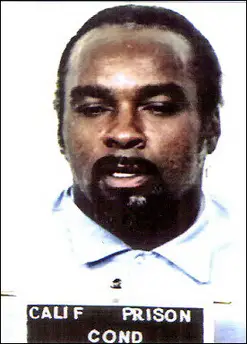
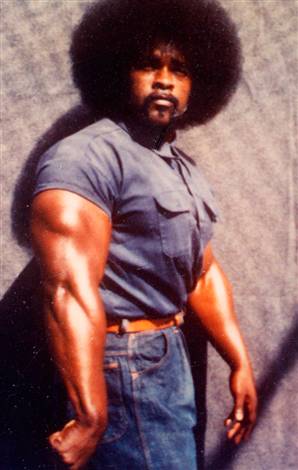
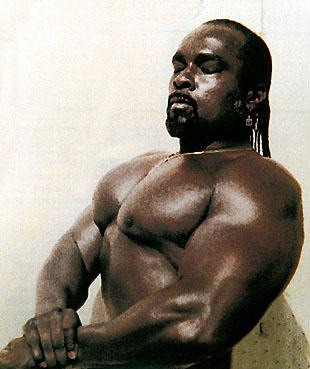
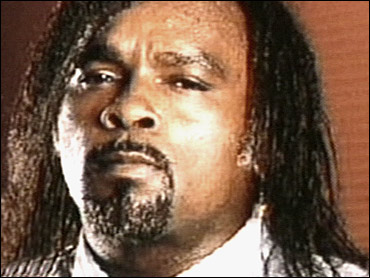
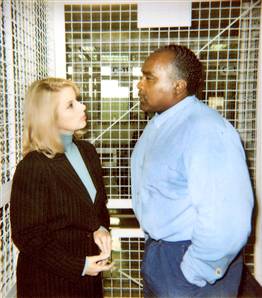
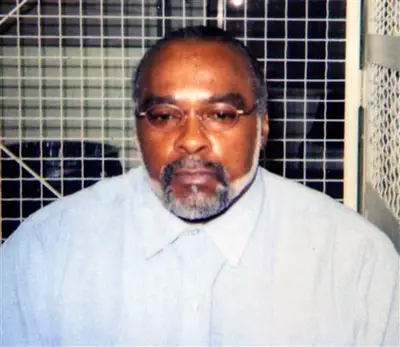
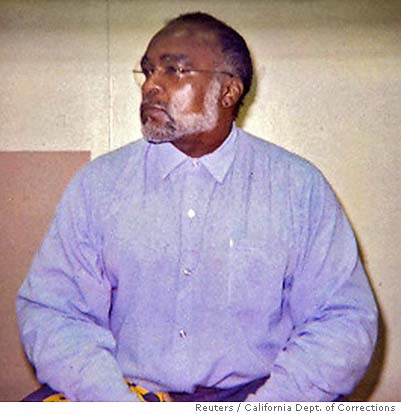
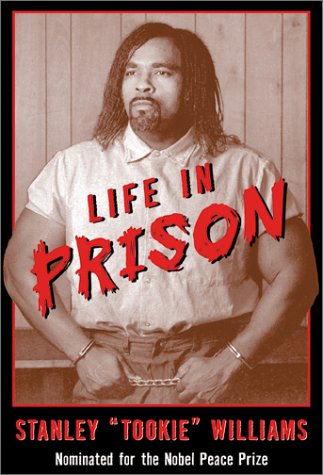
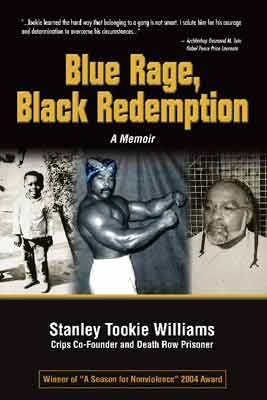
Born in New Orleans in 1953, Stanley Tookie Williams III moved to South Central Los Angeles in 1959. In 1971, he co-founded the Crips street gang. His criminal history began with juvenile delinquency, escalating into extreme violence. He was described by prosecutors as a cold-blooded killer who mocked the suffering of his victims.
2. Crime Spree
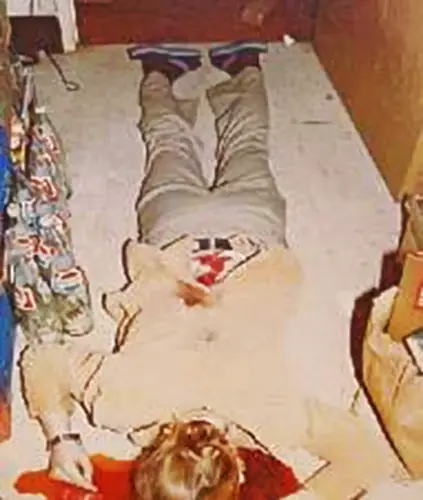
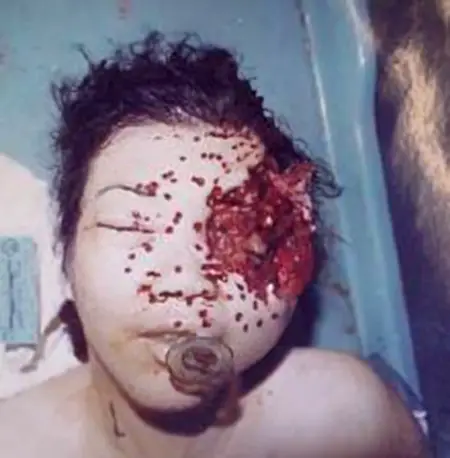
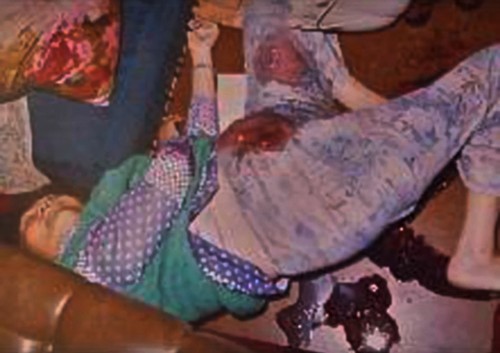
In February 1979, Williams executed Albert Owens at a 7-Eleven store. In March 1979, he committed a triple homicide at the Brookhaven Motel, killing the owners and their daughter. The crimes were characterized by the use of a shotgun and the deliberate execution of witnesses to prevent identification.
3. Investigation and Arrest
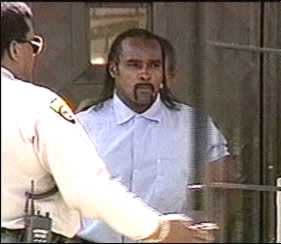
Law enforcement utilized testimony from accomplices and forensic ballistics linking Williams to the motel murders. Jailhouse informant George Oglesby provided critical testimony regarding Williams's escape plans and admissions of guilt.
4. Legal Proceedings and Outcome
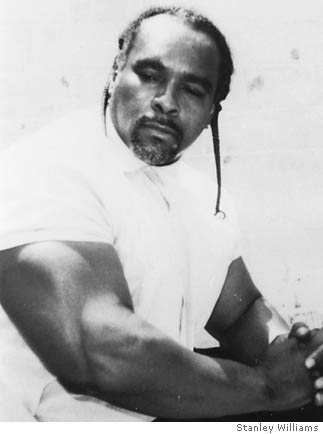
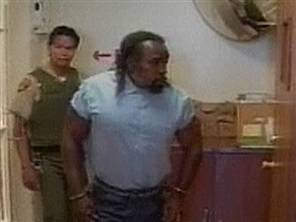
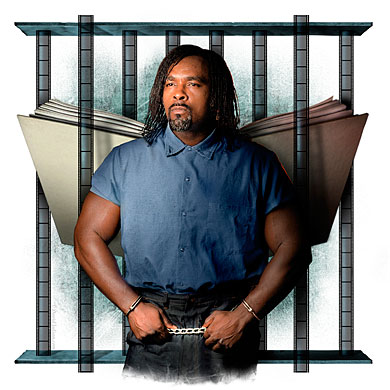
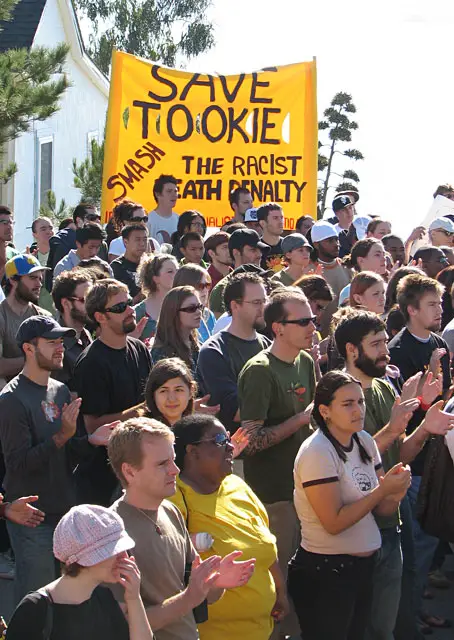
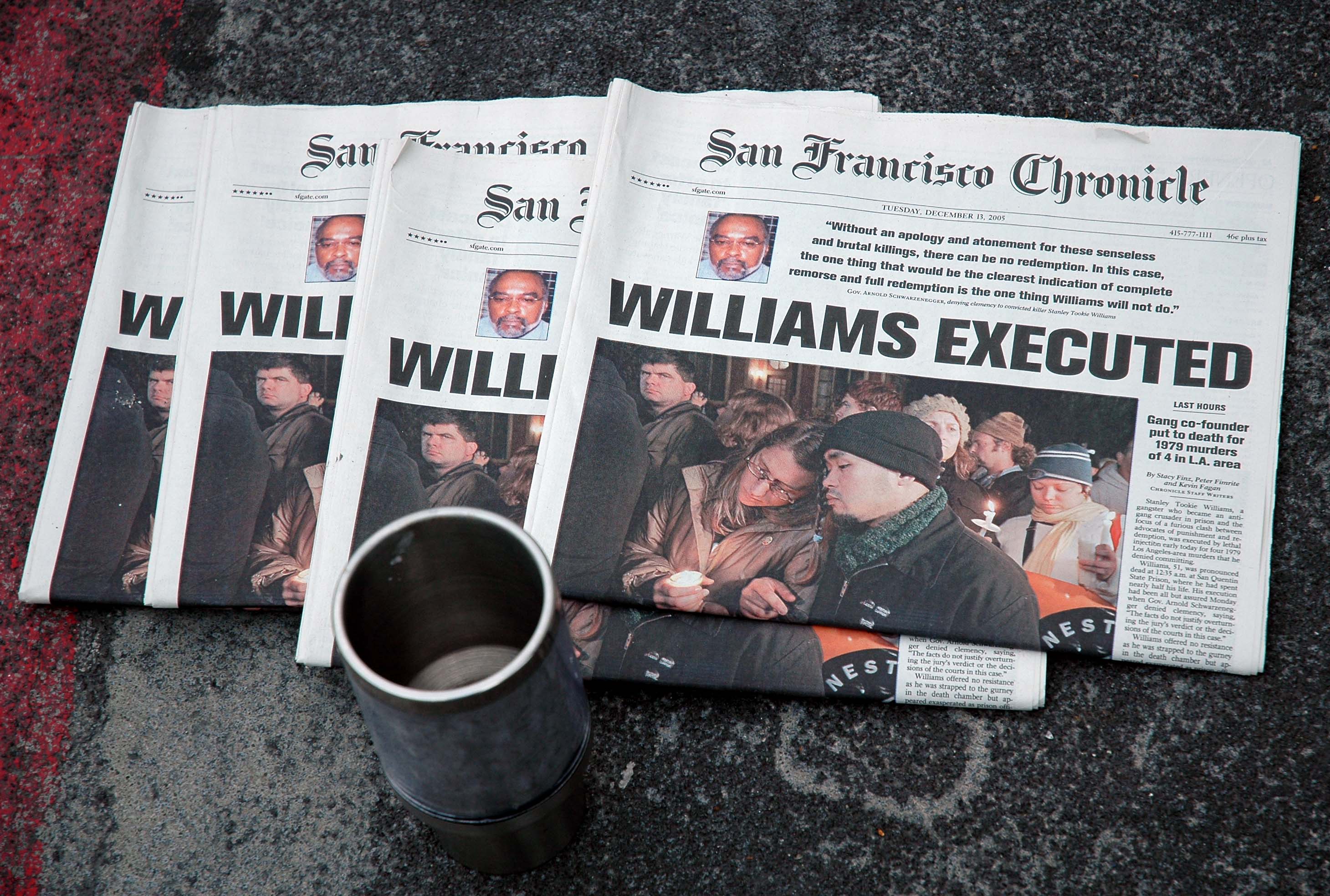
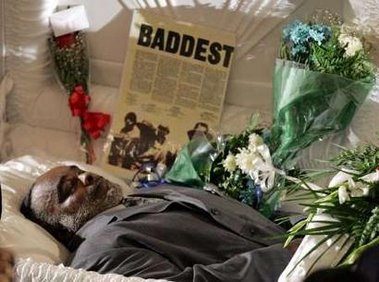
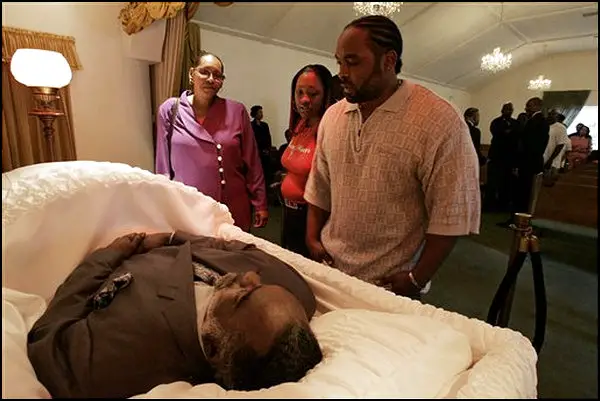
Convicted in 1981, Williams spent 24 years on death row. Despite international campaigns for clemency based on his anti-gang literature, Governor Arnold Schwarzenegger denied his petition, citing a lack of remorse. Williams was executed on December 13, 2005, at San Quentin State Prison.