




Forensic & Criminological Matrix
| Parameter | Forensic Detail |
|---|---|
| Forensic Heading / Aliases | null |
| Legal Identity | Marcus Shrader III |
| Confirmed Victims | 1 |
| Attributed / Indicted Victims | 4 |
| Active Timeline | January - August 1974 |
| Jurisdiction / Area of Operations | Jacksonville, Onslow County, North Carolina |
| Criminological Classification | Serial Killer |
| Forensic Modus Operandi | Abduction, coerced bank robbery, sexual assault, and homicide |
| Weapon / Mechanism of Death | .45 caliber pistol, strangulation, physical torture |
| Motive / Behavioral Dynamics | Sexual sadism, coercive control, and financial gain |
| Judicial Outcome | Death sentence (1974), commuted to life imprisonment (1976) |
1. Background and Profile
Marcus Shrader III was a Navy corpsman stationed at Camp Lejeune. His criminal profile indicates a deeply sadistic personality. Beyond his public crimes, he subjected his five stepchildren to systematic abuse and torture in a makeshift 'torture chamber' located in his attic, which investigators described as a 'chamber of horrors'.
2. Crime Spree
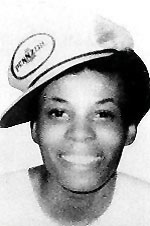
Shrader's 1974 killing spree began in January with the abduction and murder of Ginger Rader. In August, he and his stepdaughter, Debra Ann Brown, abducted teenagers Karen Amabile and Cindy Howard, sexually assaulting and strangling them. On August 16, 1974, he kidnapped Cheryl Potter Boyd, forced her to assist in a bank robbery, and subsequently shot her in the face.
3. Investigation and Arrest
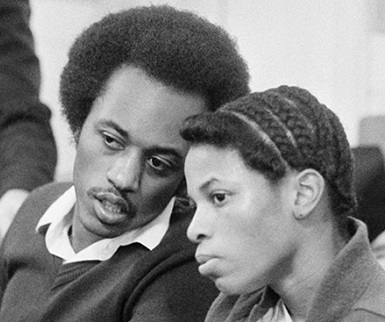
The investigation broke when a fellow corpsman identified Shrader from a wanted poster, recognizing his distinct freckles despite the green ski mask he wore during robberies. Jacksonville police, led by detective Delma Collins, raided his Cedar Point home, uncovering a cache of evidence and securing the testimony of his stepdaughter, Debra Ann Brown.
4. Legal Proceedings and Outcome
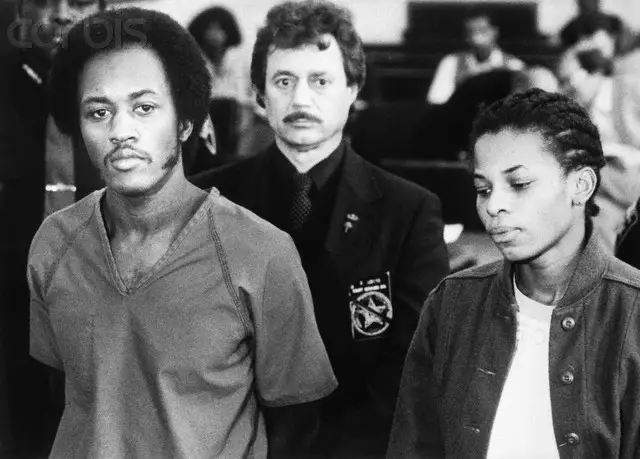
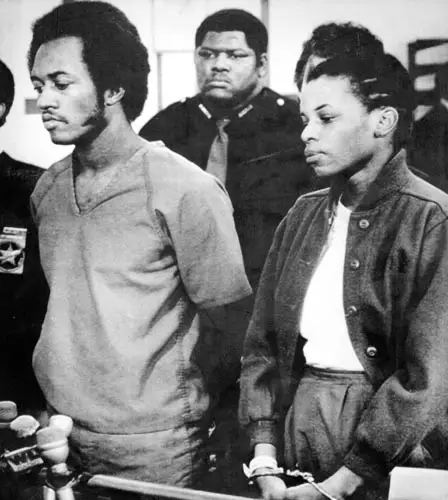
Arrested on August 18, 1974, Shrader was convicted of the kidnapping and murder of Cheryl Potter Boyd. Although linked to three other murders, he was only tried for Boyd's case. Originally sentenced to death, his sentence was commuted to life imprisonment in 1976 following the U.S. Supreme Court's ruling on the death penalty.
5. Psychiatric Assessment and Death
Shrader remained a dangerous inmate, accumulating 67 disciplinary infractions while incarcerated. Victims' families consistently opposed his parole hearings for decades. He died of natural causes at Central Prison in Raleigh on July 6, 2007.