Forensic & Criminological Matrix
| Parameter | Forensic Detail |
|---|---|
| Forensic Heading / Aliases | The Tasmanian Devil |
| Legal Identity | Peter Shoobridge |
| Confirmed Victims | 4 |
| Attributed / Indicted Victims | 4 |
| Active Timeline | June 26, 1997 |
| Jurisdiction / Area of Operations | Southernfield, Hobart, Tasmania |
| Criminological Classification | Mass Murderer / Parricide |
| Forensic Modus Operandi | Throat-slitting with a knife |
| Weapon / Mechanism of Death | Knife (homicides), Axe (self-mutilation), .22 rifle (suicide) |
| Motive / Behavioral Dynamics | Existential despair and marital conflict |
| Judicial Outcome | Case closed due to perpetrator's death |
1. Background and Profile
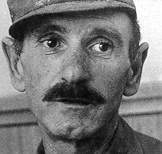
Peter Shoobridge, 52, was a wealthy, quiet man known as a published poet and antique restorer. He lived at Southernfield, an idyllic estate near Hobart. His life was marked by a recent separation from his wife, Wendy, who had custody of their four daughters. There was no prior history of mental illness.
2. Crime Spree
In the early hours of June 26, 1997, Shoobridge methodically slit the throats of his four daughters: Rebecca (18), Anna (14), Sara (12), and Georgiana (9). Rebecca showed defensive wounds, suggesting a struggle. Shoobridge then drove to Cambridge to mail letters to relatives, explaining he did not want his children to live in a "troubled world."
3. Investigation and Arrest
Upon returning home, Shoobridge called emergency services to report the murders. He then went to his workshop, used an axe to amputate his right hand, and subsequently shot himself with a .22 caliber rifle.
4. Legal Proceedings and Outcome
As the perpetrator committed suicide immediately following the crimes, no criminal trial took place. The investigation was limited to forensic reconstruction and the analysis of the perpetrator's final correspondence.