Forensic & Criminological Matrix
| Parameter | Forensic Detail |
|---|---|
| Forensic Heading / Aliases | N/A |
| Legal Identity | William Sheward |
| Confirmed Victims | 1 |
| Attributed / Indicted Victims | 1 |
| Active Timeline | 1851 |
| Jurisdiction / Area of Operations | Norwich, Norfolk, England |
| Criminological Classification | Domestic murderer / Dismemberer |
| Forensic Modus Operandi | Throat-slashing and post-mortem dismemberment |
| Weapon / Mechanism of Death | Straight razor |
| Motive / Behavioral Dynamics | Financial dispute / Uncontrolled rage |
| Judicial Outcome | Executed by hanging |
1. Background and Profile
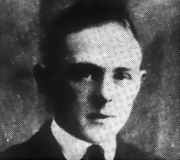
William Sheward was a 57-year-old tailor living in Norwich, England. In 1851, he resided with his wife, Martha Sheward, 56, on Tabernacle Street. He was known as a respectable tradesman, a facade that masked his capacity for extreme violence.
2. Crime Spree
On June 15, 1851, following a financial argument, Sheward murdered his wife by slashing her throat with a straight razor. He subsequently dismembered her body, boiling parts of the remains on his kitchen stove to facilitate disposal. He scattered the remains throughout Norwich's drainage system. The victim's head was never recovered.
3. Investigation and Arrest
For 18 years, the case remained cold. Authorities initially dismissed the discovered body parts as medical pranks. Sheward remarried in 1862 and became the landlord of the 'Key and Castle' public house. On January 1, 1869, he walked into a London police station and confessed to the murder.
4. Legal Proceedings and Outcome
Despite attempting to retract his confession, Sheward was tried and found guilty. He was executed by hanging at Norwich City Gaol on April 20, 1869, by the notorious executioner William Calcraft.