



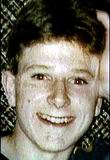
Forensic & Criminological Matrix
| Parameter | Forensic Detail |
|---|---|
| Forensic Heading / Aliases | Ernest Brown / The Bowler Hat Murderer |
| Legal Identity | Ernest Brown |
| Confirmed Victims | 1 (Frederick Ellison Morton) |
| Attributed / Indicted Victims | 2 (Suspected link to the unsolved murder of Evelyn Foster in Otterburn) |
| Active Timeline | 1931 - 1932 |
| Jurisdiction / Area of Operations | Tadcaster, North Yorkshire, United Kingdom |
| Criminological Classification | Passion/Instrumental Murderer |
| Forensic Modus Operandi | Close-range ballistic execution followed by vehicular arson to destroy forensic and biological evidence |
| Weapon / Mechanism of Death | Firearm and accelerant-induced thermal destruction |
| Motive / Behavioral Dynamics | Extramarital affair with the victim's wife and elimination of obstacles |
| Judicial Outcome | Condemned to death by hanging in 1934 |
1. Background and Profile
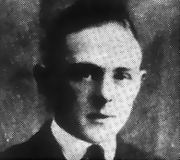
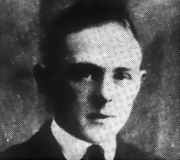
Ernest Brown worked as a groom and agricultural laborer in Northern England. Described as a natty dresser who habitually wore a bowler hat and spoke with a distinct Tyneside accent, Brown maintained a veneer of respectability that masked predatory and calculating tendencies. His criminological profile came under intense scrutiny following the revelation of his illicit affair with Mrs. Morton, wife of cattle farmer Frederick Ellison Morton.
2. Crime Spree and Modus Operandi
Brown's criminal escalation peaked when he shot Frederick Morton at close range. To conceal the homicide, he placed the body inside a motor vehicle and set it ablaze, attempting to obliterate ballistic and trace evidence. This signature modus operandi of vehicle incineration closely mirrored the infamous unsolved murder of Evelyn Foster in Otterburn in January 1931, where the dying victim described an assailant matching Brown's precise physical description and accent.
3. Police Investigation and Forensic Hunt
Law enforcement agencies in Yorkshire and Northumbria connected Brown to the Morton homicide through circumstantial evidence, witness testimonies regarding his attire and accent, and his relationship with the victim's wife. Forensic examination of the burned vehicle confirmed the deliberate use of accelerants and established a pattern of premeditated destruction of physical evidence.
4. Legal Proceedings and Outcome
Brown was arrested and tried before a British court. The accumulation of forensic testimony, motive analysis, and witness cross-examination dismantled his defense. The jury returned a guilty verdict, resulting in a mandatory death sentence under British jurisprudence at the time.
5. Psychiatric Evaluation and Final Disposition
Facing execution, Brown exhibited a composed demeanor. On the scaffold in 1934, as the prison chaplain urged him to confess his sins, Brown reportedly murmured the word 'Otterburn,' leaving an enduring historical and criminological enigma regarding his potential involvement in the unsolved murder of Evelyn Foster.