




Forensic & Criminological Matrix
| Parameter | Forensic Detail |
|---|---|
| Forensic Heading / Aliases | Jordan Marie Shaver |
| Legal Identity | Jordan Marie Shaver |
| Confirmed Victims | 1 (Brian Barton Geddes) |
| Active Timeline | October 2012 |
| Jurisdiction / Area of Operations | Garden City, Ada County, Idaho, United States |
| Criminological Classification | Financially motivated homicide / Occasional violent offender |
| Forensic Modus Operandi | Contact gunshot wound to the occipital region (execution-style), concealment of the corpse wrapped in a comforter within the home's crawlspace, followed by usurpation of victim's residence, vehicle, and assets |
| Weapon / Mechanism of Death | Firearms (handgun) / Ballistic trauma to the back of the head |
| Motive / Behavioral Dynamics | Financial gain, asset appropriation, and material survival; clinical history of depression, anxiety, PTSD, Tourette syndrome, and ADHD |
| Judicial Outcome | Life imprisonment with a minimum mandatory term of 20 years before parole eligibility, following a guilty plea to second-degree murder (April 2014) |
1. Background and Profile
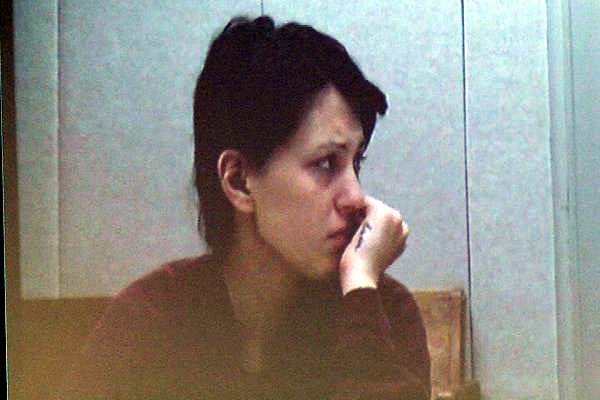
Jordan Marie Shaver, born around 1990-1991 and based in Nampa and Garden City, Idaho, possessed a personal and clinical background marked by housing instability and prior mental health diagnoses, including depression, anxiety, post-traumatic stress disorder (PTSD), Tourette syndrome, and attention deficit hyperactivity disorder (ADHD). Months prior to the homicide, Shaver had been evicted from an Ada County apartment. Operating within this context of socioeconomic vulnerability, she encountered Brian Barton Geddes, a 49-year-old man who reportedly offered her temporary shelter and assistance after she claimed to have nowhere to go following an altercation with a former romantic partner.
2. Crime Spree and Modus Operandi
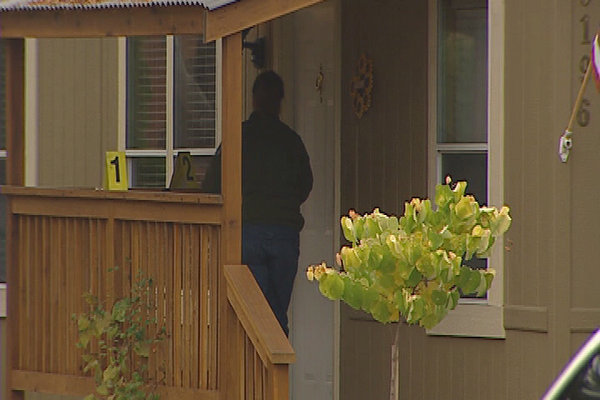
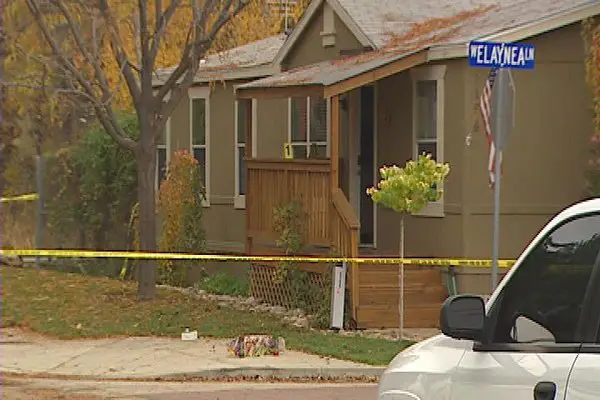
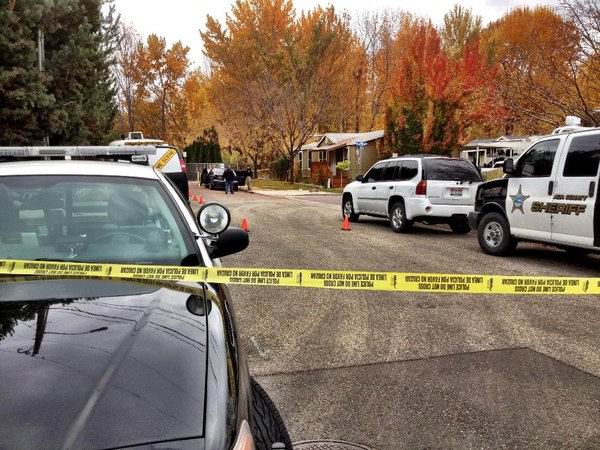
On October 16, 2012, inside Geddes' residence located in the 5100 block of Elaynea Lane in Garden City, Shaver committed the murder of her benefactor. Using a firearm, she shot Geddes from behind, placing the barrel directly against the back of his head in an execution-style maneuver. To conceal the crime, she wrapped the corpse in a bedding comforter and secreted it beneath the mobile home within the crawlspace. For approximately two weeks, Shaver remained inside the residence, operating Geddes' vehicles, depleting his monetary funds, liquidating or utilizing his belongings, and interacting with his family via his cell phone to deflect suspicion regarding his sudden absence.
3. Investigation and Forensic Pursuit
The disappearance of Brian Barton Geddes prompted an active police investigation in late October 2012, initiated by his adult children, Brennan and Aubray Geddes, who visited the property upon failing to contact their father and confronted Shaver. Upon sensing the arrival of law enforcement and family members, Shaver fled the scene. Garden City Police initiated a neighborhood canvass and search, locating and arresting Shaver on November 2, 2012, near a commercial plaza close to Glenwood and State Street. She was found in possession of the victim's mobile phone and was simultaneously booked on an outstanding failure-to-appear warrant related to earlier burglary and grand theft charges.
4. Legal Proceedings and Outcome
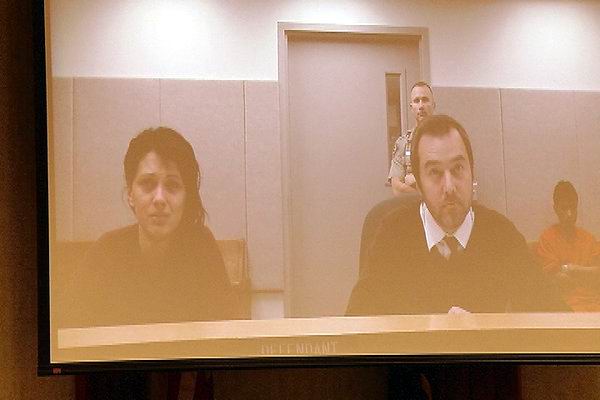
An Ada County grand jury subsequently indicted Shaver on charges of first-degree murder, robbery, grand theft, use of a deadly weapon, and failure to notify authorities of a death. During initial interrogations, Shaver claimed the weapon discharged accidentally while Geddes was returning it to her; however, forensic pathologist Dr. Erwin Sonnenberg refuted this assertion through autopsy findings that confirmed contact-range muzzle imprint on the occipital wound. In December 2013, Shaver entered into a plea agreement, pleading guilty to a reduced charge of second-degree murder in exchange for the dismissal of accompanying felony counts and the state's agreement not to pursue a life sentence without parole.
5. Psychiatric Evaluation and Judgment
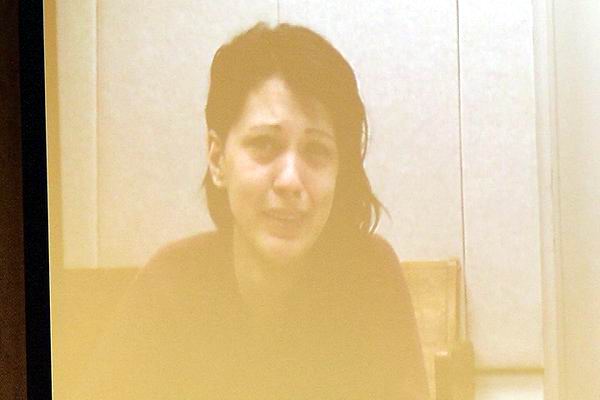
Fourth District Judge Timothy Hansen ordered a comprehensive psychological evaluation prior to sentencing. In April 2014, Judge Hansen formally sentenced Shaver to life imprisonment with a mandatory minimum term of 20 years before parole eligibility, aligning with the prosecution's sentencing memorandum. Shaver remains incarcerated within the Idaho Department of Correction.