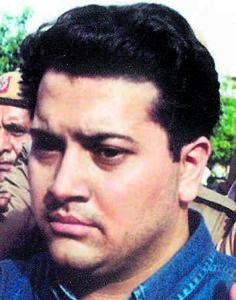
Forensic & Criminological Matrix
| Parameter | Forensic Detail |
|---|---|
| Forensic Heading / Aliases | null |
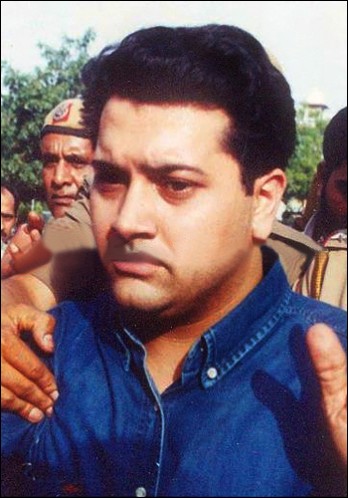
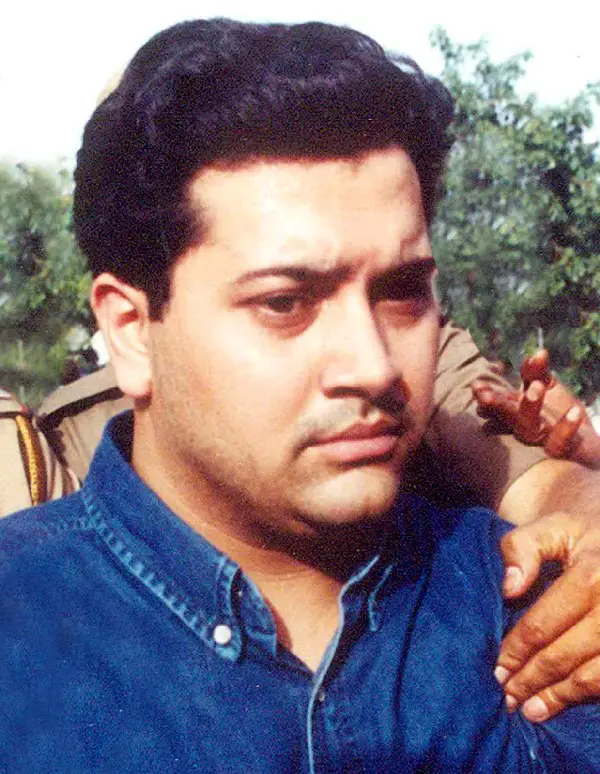
| Legal Identity | Siddharth Vashisht |
| Confirmed Victims | 1 |
| Attributed / Indicted Victims | 1 |
| Active Timeline | April 29, 1999 |
| Jurisdiction / Area of Operations | New Delhi, India |
| Criminological Classification | Impulsive Homicide / Elite Crime |
| Forensic Modus Operandi | Firearm usage (.22) following verbal altercation |
| Weapon / Mechanism of Death | .22 caliber pistol |
| Motive / Behavioral Dynamics | Narcissism, entitlement, and alcohol influence |
| Judicial Outcome | Life imprisonment (2006), released on parole (2020) |
1. Background and Psychopathy
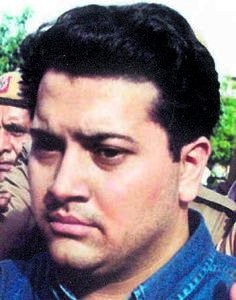
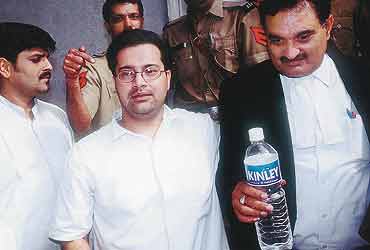
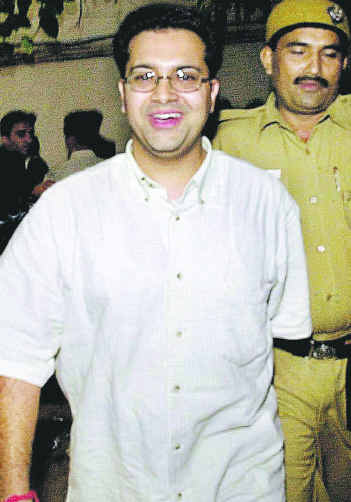
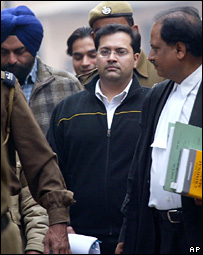
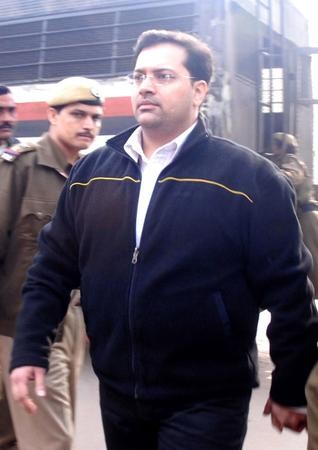
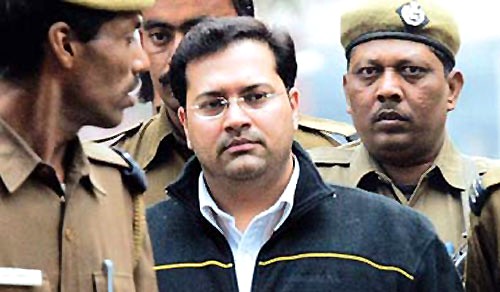
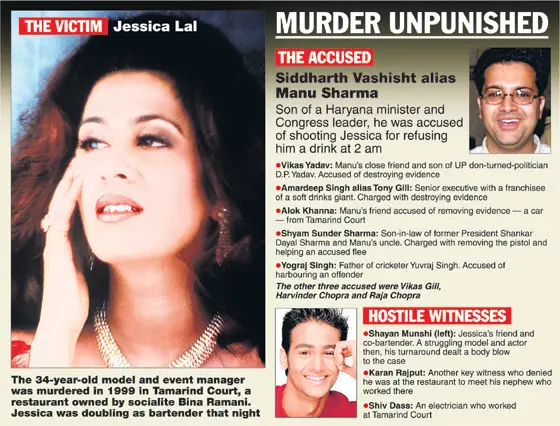
Siddharth Vashisht, known as Manu Sharma, is the son of prominent Indian politician Venod Sharma. His case is widely cited as a litmus test for the Indian judiciary, highlighting the struggle between the influence of the political elite and the rule of law.
2. Crime Spree
On April 29, 1999, at the Tamarind Court Cafe, Sharma demanded alcohol from Jessica Lal after closing time. Upon being refused, he fired his .22 pistol, striking Lal in the head. The act was witnessed by dozens, yet the initial trial failed due to witness tampering.
3. Investigation and Arrest
Following the murder, Sharma went underground for a week. The subsequent investigation was marred by police corruption and the destruction of evidence. A media-led campaign and a sting operation by Tehelka magazine were instrumental in exposing the bribery of witnesses.
4. Legal Proceedings and Outcome
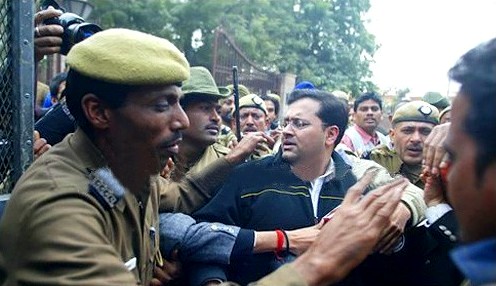
In 2006, the Delhi High Court overturned the lower court's acquittal, sentencing Sharma to life imprisonment. The judgment was a landmark, signaling that the powerful were no longer above the law. He was released on parole in June 2020.