Forensic & Criminological Matrix
| Parameter | Forensic Detail |
|---|---|
| Forensic Heading / Aliases | N/A |
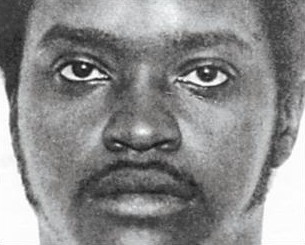
| Legal Identity | Dhananjoy Chatterjee |
| Confirmed Victims | 1 |
| Attributed / Indicted Victims | 1 |
| Active Timeline | 1990 |
| Jurisdiction / Area of Operations | Kolkata, India |
| Criminological Classification | Sexual murderer |
| Forensic Modus Operandi | Rape and strangulation in residence |
| Weapon / Mechanism of Death | Manual strangulation |
| Motive / Behavioral Dynamics | Sexual assault |
| Judicial Outcome | Death penalty (executed) |
1. Background and Profile
Dhananjoy Chatterjee was a security guard employed at a residential complex in Bhowanipore, Kolkata. He had no significant prior criminal record before the 1990 incident.
2. Crime Spree
On March 5, 1990, Chatterjee used his access as a security guard to enter the apartment of 18-year-old student Hetal Parekh. He raped and subsequently strangled her to death to prevent identification.
3. Investigation and Arrest
The investigation focused on the building's staff. Circumstantial evidence and witness testimonies from residents led to his arrest shortly after the crime.
4. Legal Proceedings and Outcome
Following a lengthy judicial process, Chatterjee was sentenced to death. Despite multiple appeals and a mercy plea to the President of India, all were rejected.
5. Psychiatric Evaluation and Conclusion
Chatterjee was executed at Alipore Jail on August 14, 2004, marking the first judicial execution in India in the 21st century. The case sparked significant public and media debate regarding the death penalty.