Forensic & Criminological Matrix
| Parameter | Forensic Detail |
|---|---|
| Forensic Heading / Aliases | N/A |
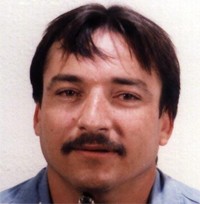
| Legal Identity | Vuthy Seng |
| Confirmed Victims | 3 |
| Attributed / Indicted Victims | 3 |
| Active Timeline | November 12, 1995 |
| Jurisdiction / Area of Operations | Lowell, Massachusetts, USA |
| Criminological Classification | Multiple Murderer (Domestic/Revenge) |
| Forensic Modus Operandi | Execution by firearm and bladed weapon |
| Weapon / Mechanism of Death | Handgun and meat cleaver/machete |
| Motive / Behavioral Dynamics | Revenge following domestic dispute |
| Judicial Outcome | Three consecutive life sentences |
1. Background and Psychopathy
Vuthy Seng, born circa 1961, was living in Lowell, Massachusetts, with his girlfriend, Chhong Yim, and her four children. In 1993, he sustained a head injury at a bottling factory, which his defense team later cited as the cause for alleged auditory hallucinations and insanity, a claim ultimately rejected by the jury.
2. Crime Spree
On November 12, 1995, following an argument where Yim demanded he move out, Seng initiated a lethal attack. After a threatening phone call, he entered the victims' apartment and shot all four children in the head. The eldest boy was further attacked with a large knife. Three boys died from their wounds; one girl survived and provided crucial testimony.
3. Investigation and Arrest
The investigation relied on the surviving victim's identification of the defendant. Forensic evidence, including DNA found on a discarded firearm, linked Seng to the crime scene. He was apprehended shortly after the incident in a nearby apartment.
4. Legal Proceedings and Outcome
Seng was first convicted in 1997, but the conviction was overturned in 2002 due to Miranda warning issues. A second trial resulted in a conviction for three counts of first-degree murder, leading to three consecutive life sentences.
5. Psychiatric Evaluation and Final Disposition
Despite defense claims of insanity stemming from a prior head injury, the court found no evidence of a psychotic condition that would absolve him of criminal responsibility. He remains incarcerated.