



Forensic & Criminological Matrix
| Parameter | Forensic Detail |
|---|---|
| Forensic Heading / Aliases | N/A |
| Legal Identity | Nevelyn Stokes |
| Confirmed Victims | 6 |
| Attributed / Indicted Victims | 6 |
| Active Timeline | March 12, 1999 |
| Jurisdiction / Area of Operations | St. Louis, Missouri, USA |
| Criminological Classification | Mass Murderer (Arsonist) |
| Forensic Modus Operandi | Arson with accelerant (gasoline) |
| Weapon / Mechanism of Death | Gasoline and ignition |
| Motive / Behavioral Dynamics | Retaliation for physical assault |
| Judicial Outcome | Life imprisonment plus 120 years |
1. Background and Profile
Nevelyn Stokes, born in 1976, was a resident of St. Louis, Missouri. His prior criminal record included a robbery committed against a woman approximately one month before the incident. On the day of the crime, Stokes engaged in a physical altercation with the same woman and her boyfriend, who beat him. This event served as the catalyst for Stokes' violent retaliation.
2. Crime Spree
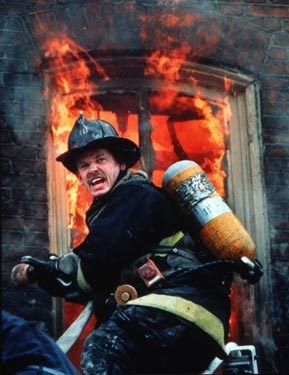
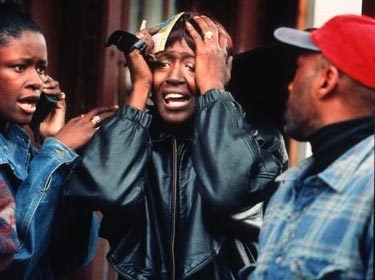
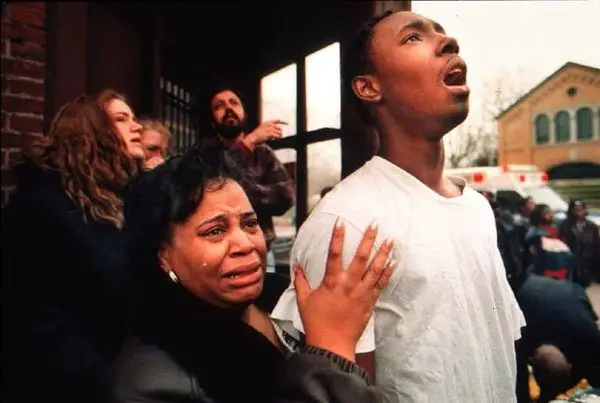
On March 12, 1999, driven by revenge, Stokes returned to the woman's apartment building in the 1400 block of Salisbury Street carrying a gallon of gasoline. He poured the fuel on the second-story rear porch and ignited it. Stokes claimed he did not know anyone was home, but the building contained three adults and six children. The fire spread rapidly, trapping the children inside. Despite being located across the street from a fire station, firefighters were unable to save the victims.
3. Investigation and Arrest
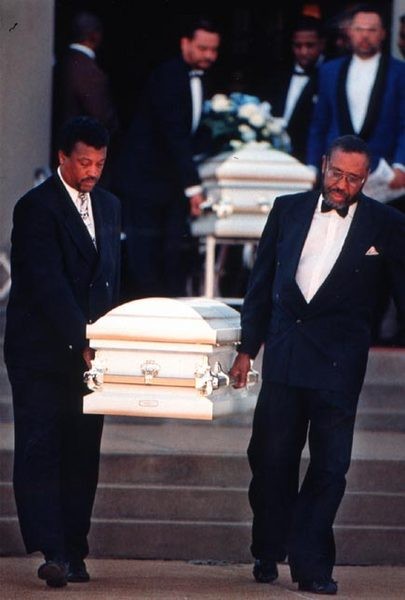
Police investigators quickly identified Stokes as a suspect due to the earlier altercation. Traffic Officer Tim Pratt tracked Stokes to his home on the 2500 block of Dodier Street. After a brief struggle, Stokes was taken into custody. Forensic teams recovered the bodies of the six children from the living room and a closet where they had sought refuge.
4. Legal Proceedings and Outcome
Stokes was charged with one count of first-degree arson and six counts of felony murder. Prosecutor Dwight Warren noted that because they could not prove Stokes knew anyone was inside, he was not charged with first-degree murder, which could have carried the death penalty. On June 22, 2001, Circuit Judge Donald McCullin sentenced Stokes to life in prison plus 120 years. He will not be eligible for parole until he is at least 88 years old.