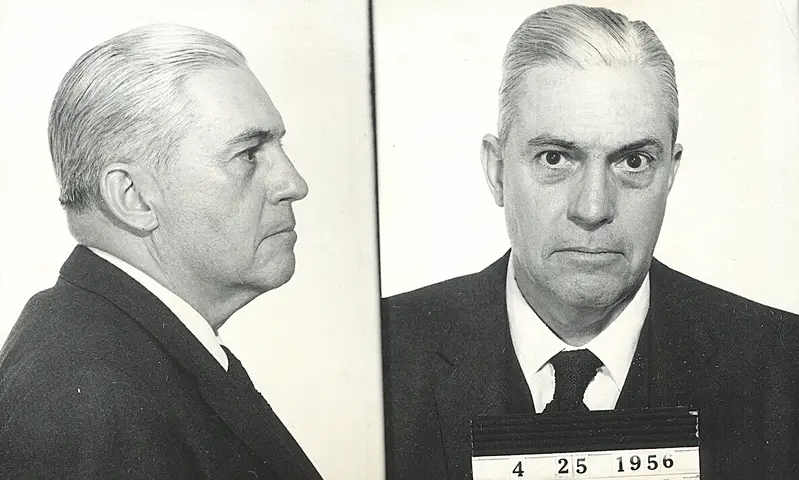
Forensic & Criminological Matrix
| Parameter | Forensic Detail |
|---|---|
| Forensic Heading / Aliases | Ewing Scott |
| Legal Identity | Leonard Ewing Scott |
| Confirmed Victims | 1 |
| Attributed / Indicted Victims | 1 |
| Active Timeline | 1956 |
| Jurisdiction / Area of Operations | Los Angeles, California |
| Criminological Classification | Spousal Homicide |
| Forensic Modus Operandi | Forced disappearance and concealment of remains |
| Weapon / Mechanism of Death | Undetermined (presumed homicide) |
| Motive / Behavioral Dynamics | Economic and personal interest |
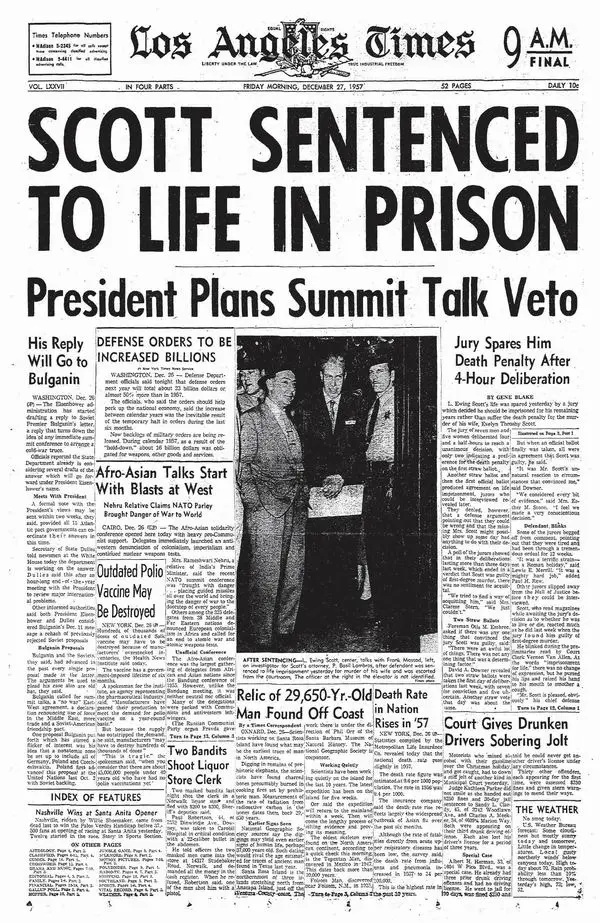
| Judicial Outcome | Convicted of first-degree murder |
1. Background and Profile
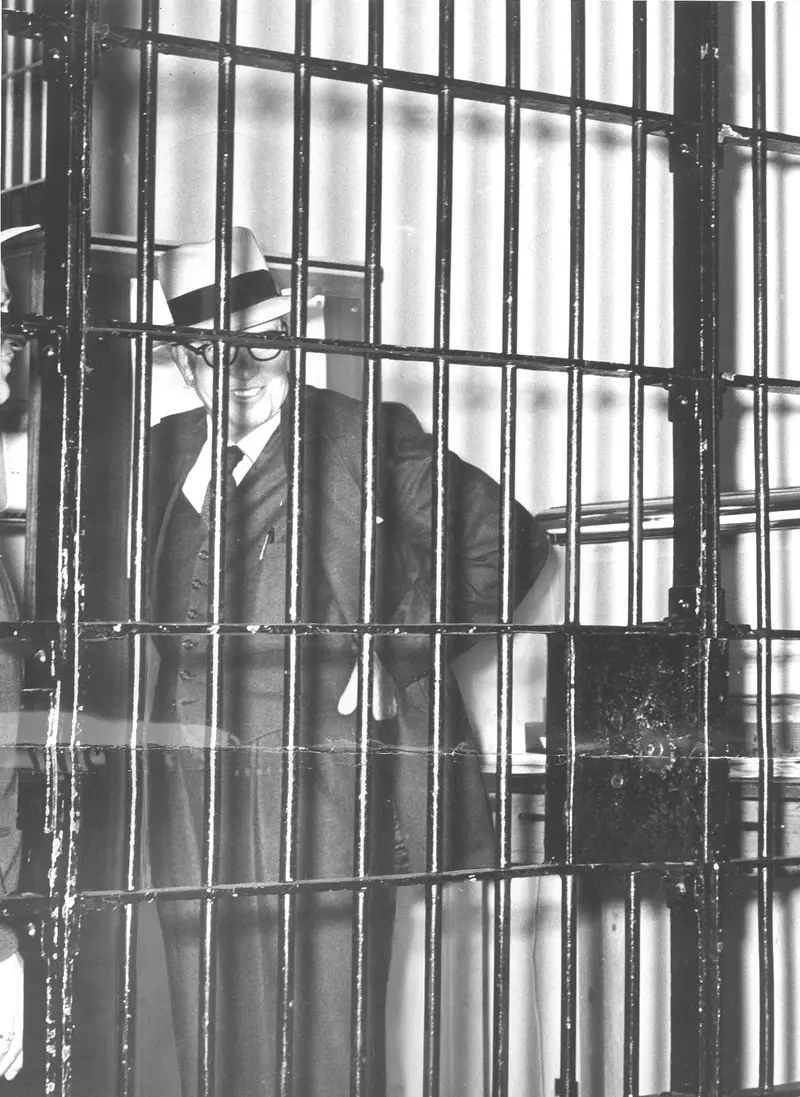
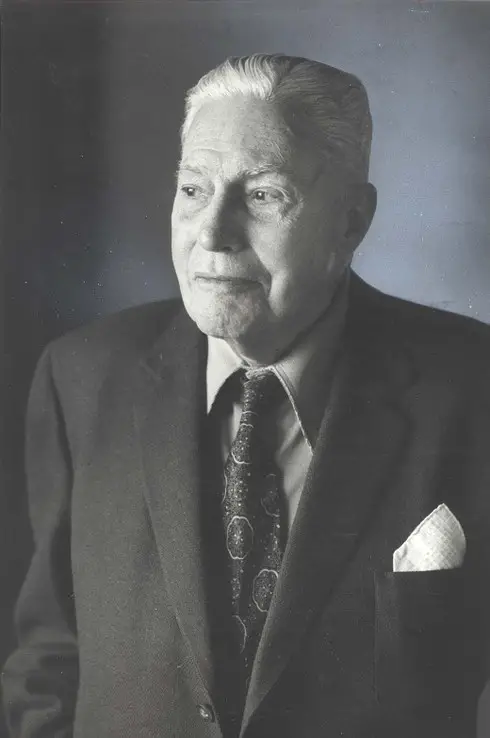
Leonard Ewing Scott presented himself as a sophisticated and charming individual, a persona that masked a deeply manipulative nature. His social standing allowed him to navigate his environment with a degree of impunity until the disappearance of his wife brought his private life under intense scrutiny.
2. Criminal Career and Modus Operandi
The disappearance of Evelyn Scott remains one of the most significant cases of the mid-20th century. Leonard Scott's modus operandi involved the calculated elimination of his spouse, followed by a series of deceptive actions designed to delay discovery and mislead law enforcement regarding her whereabouts.
3. Investigation and Arrest
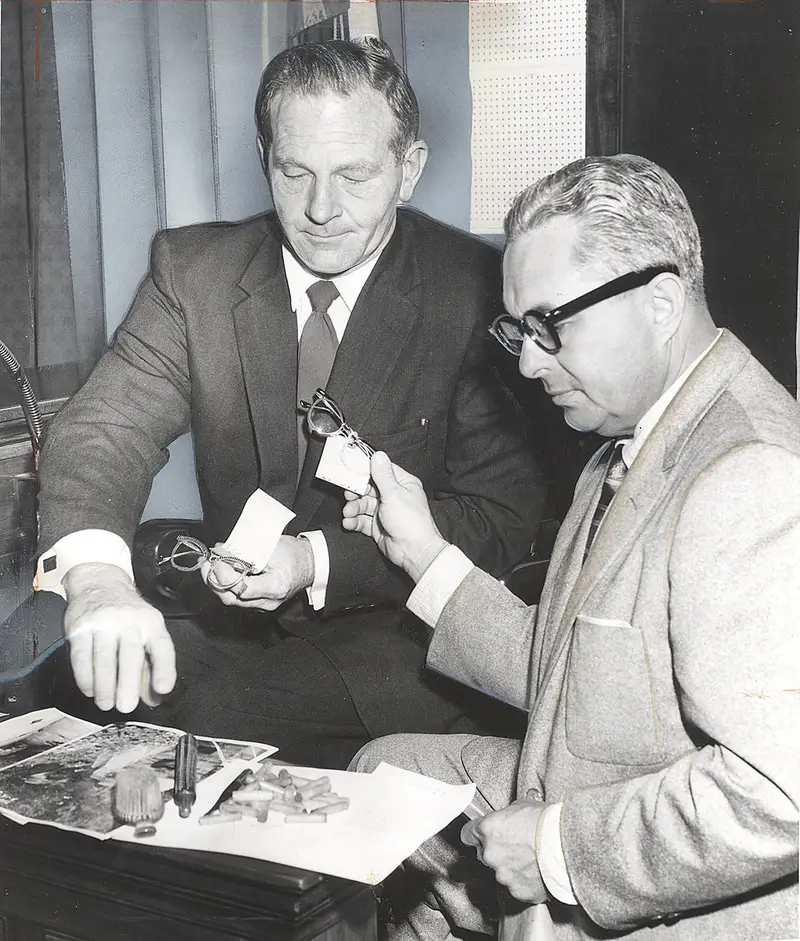
Law enforcement faced the daunting task of proving a homicide without a body. Through meticulous investigation, they gathered circumstantial evidence that linked Scott to the crime, including financial records and witness testimonies that contradicted his alibis.
4. Legal Proceedings and Outcome
The trial set a precedent for circumstantial evidence cases in California. The prosecution successfully argued that the totality of the evidence pointed to Scott's guilt beyond a reasonable doubt, leading to a conviction for first-degree murder.
5. Forensic Conclusion
Scott died in 1987, never revealing the location of his wife's remains. His case remains a study in the effectiveness of circumstantial evidence in securing justice when physical evidence is absent.