

Forensic & Criminological Matrix
| Parameter | Forensic Detail |
|---|---|
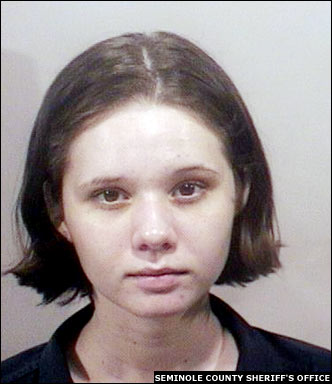
| Forensic Heading / Aliases | Courtney Schulhoff |
| Legal Identity | Courtney Christine Schulhoff |
| Confirmed Victims | 1 (Steven Schulhoff) |
| Active Timeline | September 2006 |
| Jurisdiction / Area of Operations | Altamonte Springs, Florida, United States |
| Criminological Classification | Patricide / Conspiracy Homicide |
| Forensic Modus Operandi | Violent blunt-force trauma within the victim's residence |
| Weapon / Mechanism of Death | Baseball bat / severe cranial trauma |
| Motive / Behavioral Dynamics | Familial conflict and adolescent rebellion in co-conspiracy |
| Judicial Outcome | Conviction for first-degree murder (initial life sentence without parole, later reduced to 40 years) |
1. Background and Profile
Courtney Christine Schulhoff was born in 1987. Growing up in Florida, her early life was characterized by intense domestic frictions and rebellious behavior. By her mid-teens, she became entangled in a romantic relationship that catalyzed a dangerous breakdown in relations with her father, Steven Schulhoff.
2. Crime Spree
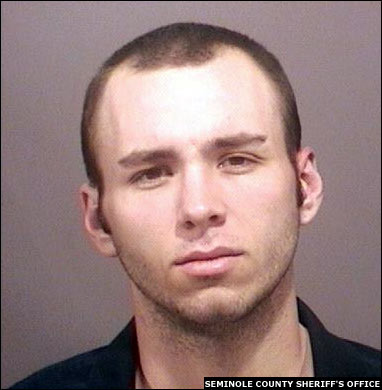
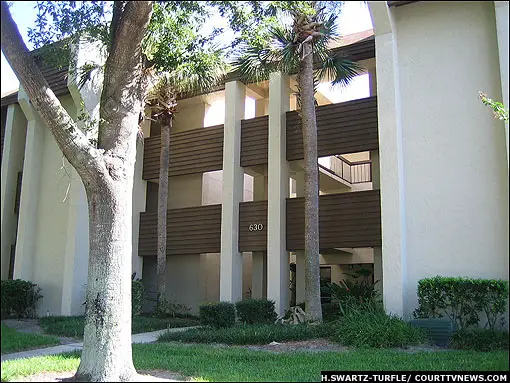
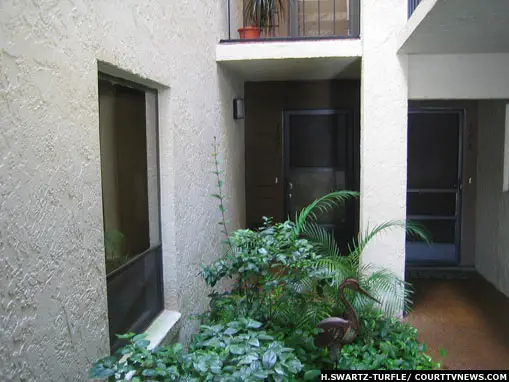
In September 2006, in Altamonte Springs, Florida, Schulhoff and her boyfriend conspired to kill her 48-year-old father. The crime was executed inside the victim's apartment, where Steven Schulhoff was beaten to death using a baseball bat. The attack reflected cold premeditation and extreme physical violence.
3. Investigation and Forensic Pursuit
The discovery of the victim's body triggered an immediate homicide investigation by local law enforcement. Forensic evidence gathered at the scene and subsequent interrogations quickly unraveled the conspiracy, leading investigators directly to Courtney and her co-defendant, who confessed to their roles in the murder.
4. Legal Proceedings and Outcome
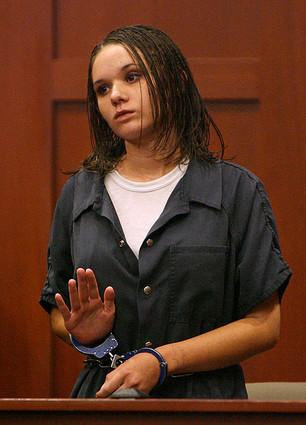
Following her arrest, Schulhoff faced charges of first-degree murder. In September 2006, at the age of 19, she was convicted and sentenced to life imprisonment without the possibility of parole. In March 2017, in light of legal precedents regarding juvenile sentencing, her penalty was reduced to a 40-year prison term.
5. Psychiatric Assessment and Conclusion
Schulhoff's case remains a notable example of severe juvenile delinquency driven by peer influence and severe familial breakdown. She remains incarcerated within the Florida Department of Corrections.