



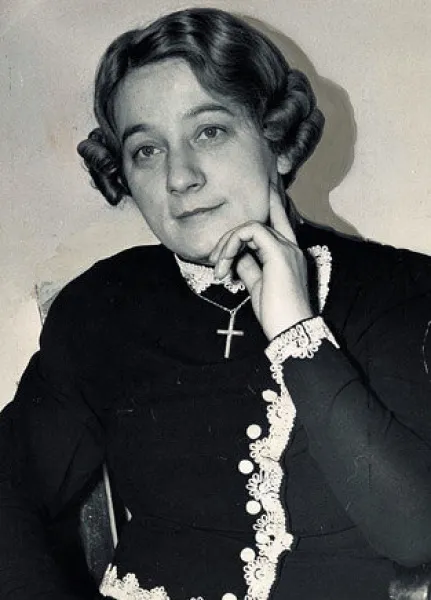
Forensic & Criminological Matrix
| Parameter | Forensic Detail |
|---|---|
| Forensic Heading / Aliases | Trigger Woman, Iron Irene, Irene of the six-shooters, Tiger Girl, The blonde tiger |
| Legal Identity | Irene Schroeder |
| Confirmed Victims | 1 (Law enforcement officer) |
| Active Timeline | 1930 - 1931 |
| Jurisdiction / Area of Operations | Pennsylvania, United States |
| Criminological Classification | Violent offender / Capital murderer |
| Forensic Modus Operandi | Armed robberies using handguns, followed by aggressive use of firearms against authorities to evade arrest |
| Weapon / Mechanism of Death | Revolvers / Ballistic trauma |
| Motive / Behavioral Dynamics | Financial gain through armed robbery and violent evasion of law enforcement |
| Judicial Outcome | Sentenced to death; executed via electrocution on February 13, 1931 |
1. Background and Psychopathy
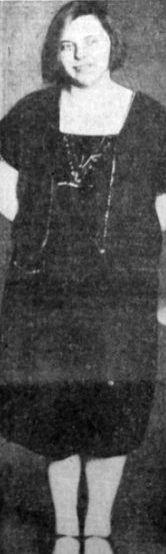
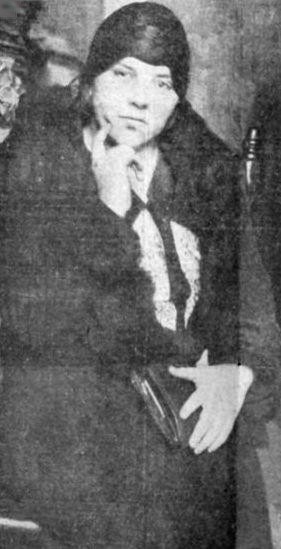
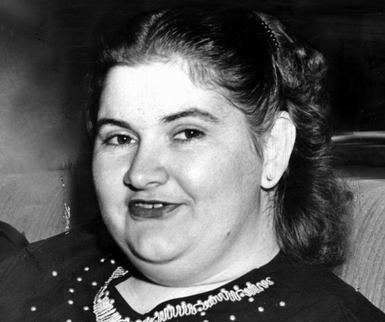
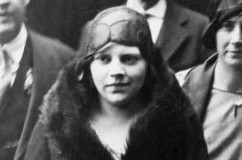
Born in 1909, Irene Schroeder grew up amidst economic hardship. Her association with itinerant criminal elements in Pennsylvania steered her toward armed criminality. Unlike many female offenders of her era, Schroeder adopted an aggressively dominant role in criminal partnerships, engaging directly in violent confrontations.
2. Crime Spree
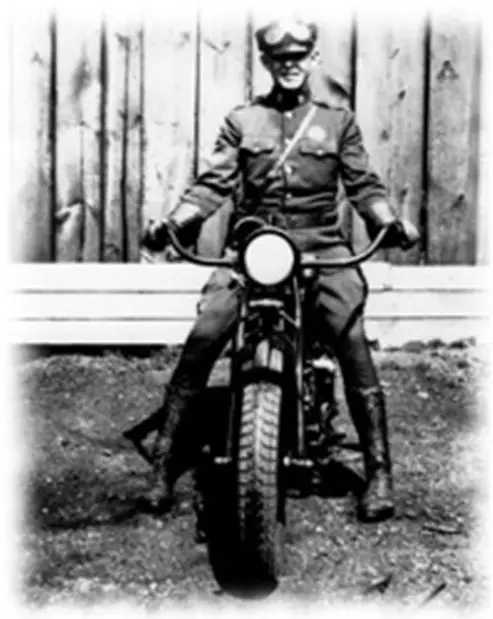
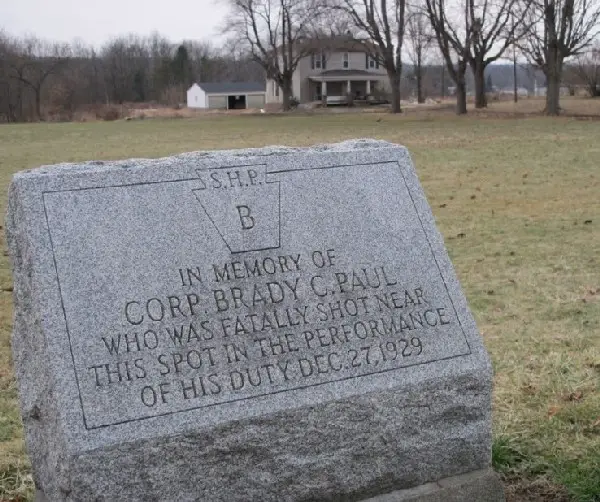
Schroeder's criminal career was defined by brazen armed robberies and a complete disregard for human life when cornered. Utilizing multiple handguns—earning her monikers such as 'Trigger Woman'—she participated in hold-ups across Pennsylvania. The apex of her violent trajectory occurred when she and her accomplices fatally shot a Pennsylvania state trooper during a routine vehicle stop.
3. Investigation and Manhunt
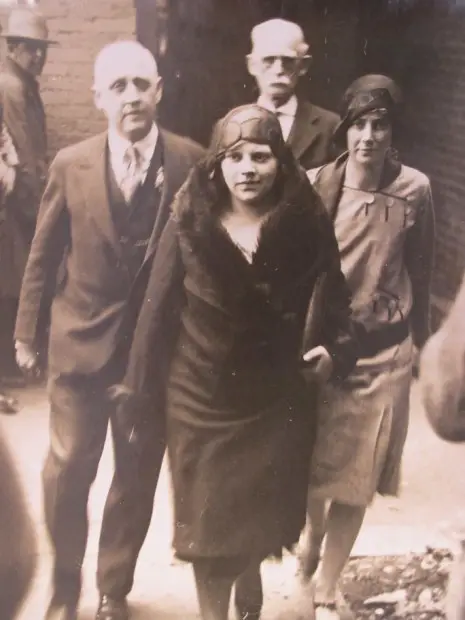
The killing of a law enforcement officer triggered an intensive statewide manhunt. State police deployed extensive resources to track the fugitive group across county lines, ultimately cornering Schroeder and her associates through coordinated investigative efforts.
4. Legal Proceedings and Outcome
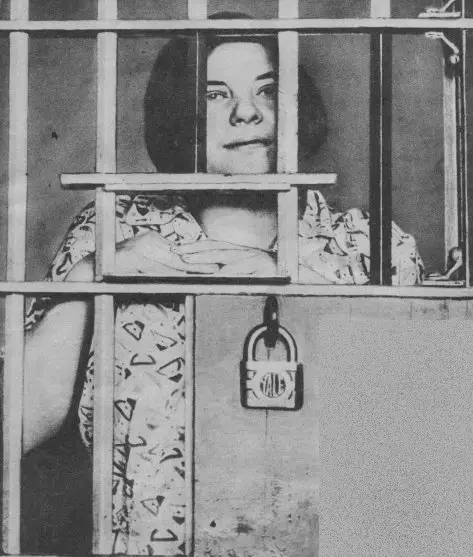
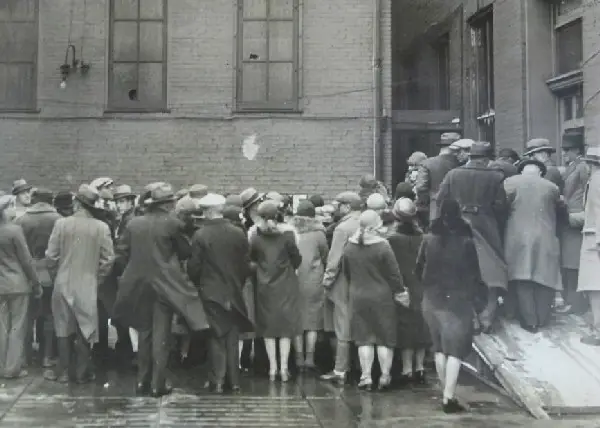
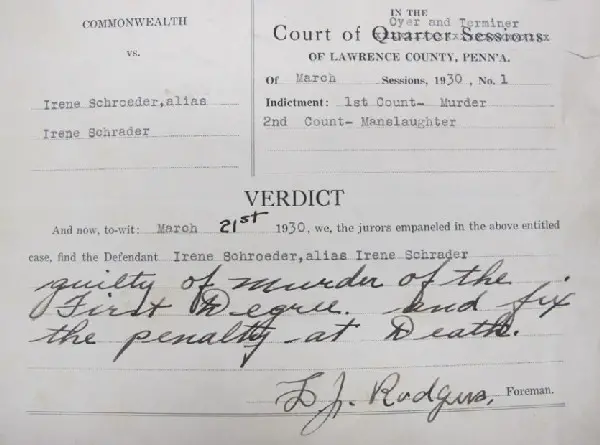
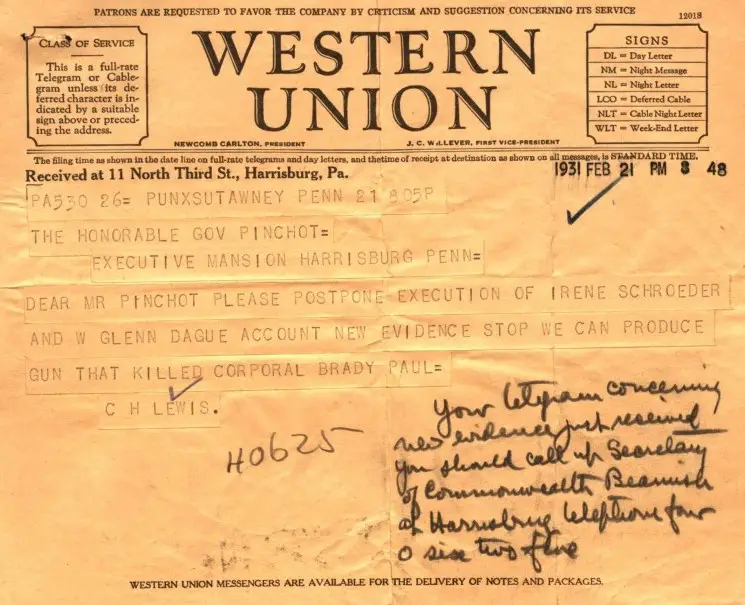
Schroeder was arrested, tried, and convicted of first-degree murder. Her trial became a media sensation, heavily scrutinized by the press due to her gender and apparent lack of remorse. Despite legal appeals, the jury's verdict stood, condemning her to capital punishment.
5. Psychiatric Evaluation and Final Disposition
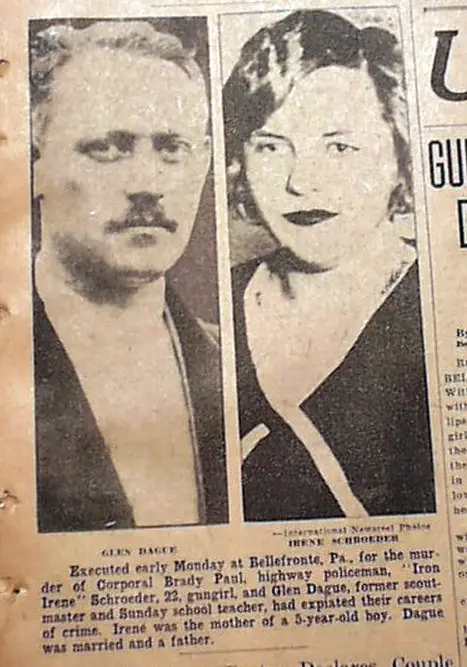
Psychological assessments characterized her as defiant and emotionally detached from her actions. On February 13, 1931, Irene Schroeder was executed in the electric chair, making her the first woman to be legally executed by electrocution in the history of Pennsylvania.