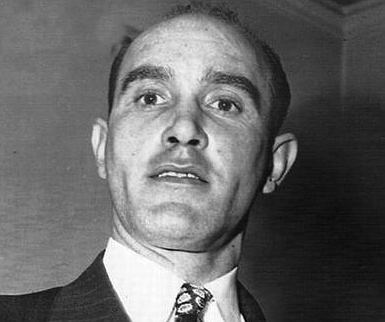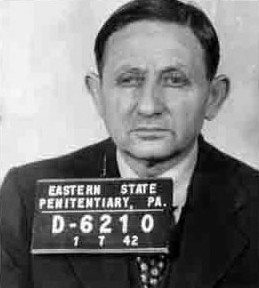
Forensic & Criminological Matrix
| Parameter | Forensic Detail |
|---|---|
| Forensic Heading / Aliases | American Bluebeard |
| Legal Identity | Helmuth Schmidt |
| Confirmed Victims | 1 |
| Attributed / Indicted Victims | 30+ |
| Active Timeline | 1910-1918 |
| Jurisdiction / Area of Operations | Michigan, New York, New Jersey, Missouri (USA) |
| Criminological Classification | Serial Killer |
| Forensic Modus Operandi | Luring via lonely-hearts ads, poisoning, and theft |
| Weapon / Mechanism of Death | Poison |
| Motive / Behavioral Dynamics | Financial gain |
| Judicial Outcome | Jailhouse suicide prior to trial |
1. Background and Profile
Helmuth Schmidt was a German-born serial killer who operated across the United States during the early 20th century. He is historically categorized as an 'American Bluebeard' due to his pattern of luring lonely, immigrant women through newspaper advertisements, gaining their trust, and subsequently murdering them for financial gain.
2. Crime Spree
Schmidt's modus operandi involved placing advertisements in 'lonely-hearts' columns using aliases. He targeted vulnerable immigrant women, promising companionship or marriage. After gaining access to their assets, he would murder them, typically using poison. Following his arrest, investigators discovered jewelry and watches in his possession that linked him to at least three other murders in New York and Missouri, with authorities suspecting he may have killed over thirty women.
3. Investigation and Arrest
Law enforcement agencies began tracking Schmidt after the disappearance of Augusta Steinbach. The investigation into his newspaper advertisements led police to Royal Oak, Michigan, where he was apprehended on April 22, 1918, in connection with the murder of Agnes Dominick.
4. Legal Proceedings and Outcome
While in custody awaiting trial for the murder of Agnes Dominick, Schmidt committed suicide in his jail cell by crushing his own skull against the walls. This act of self-destruction effectively ended the legal proceedings, preventing a formal trial and conviction for his crimes.
5. Forensic Conclusion
Schmidt's case remains a significant example of early 20th-century serial predation. His ability to move across state lines and exploit the anonymity of the era allowed him to operate with relative impunity until his final arrest. His suicide denied the judicial system the opportunity to fully uncover the extent of his criminal activities.