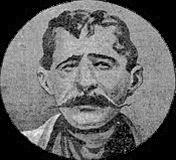


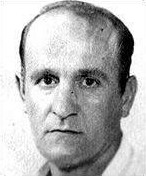
Forensic & Criminological Matrix
| Parameter | Forensic Detail |
|---|---|
| Forensic Heading / Aliases | None recorded |
| Legal Identity | Alexandros Schinas |
| Confirmed Victims | 1 |
| Attributed / Indicted Victims | 1 |
| Active Timeline | 1913 |
| Jurisdiction / Area of Operations | Thessaloniki, Greece |
| Criminological Classification | Political assassin / Anarchist |
| Forensic Modus Operandi | Close-range shooting from behind |
| Weapon / Mechanism of Death | Firearm |
| Motive / Behavioral Dynamics | Anarchist ideology and anti-monarchism |
| Judicial Outcome | Death in police custody |
1. Background and Profile
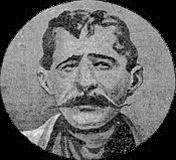
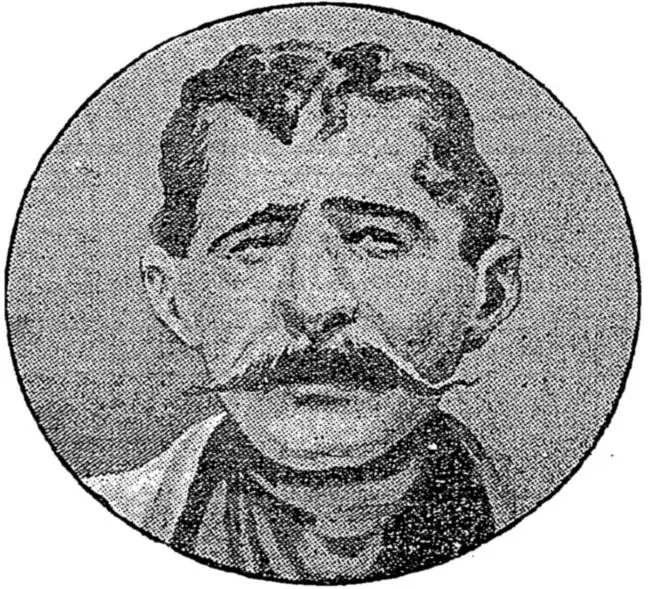
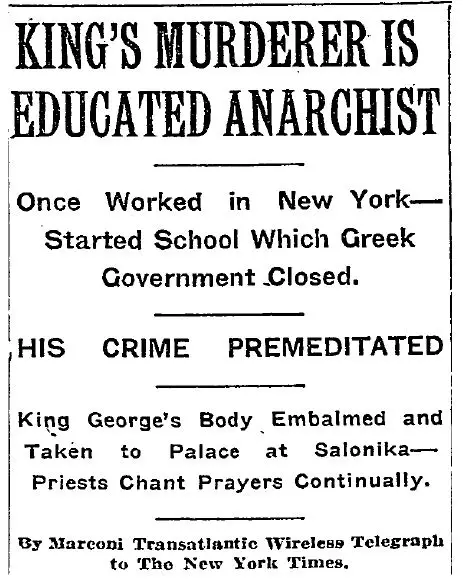
Alexandros Schinas was born in the 1870s in Volos, Greece. His profile is characterized by deep-seated anarchist radicalization. While working at the Fifth Avenue Hotel in New York City, he was noted for his association with radical thinkers and his interest in socialist literature. Upon returning to Greece, he established an anarchist school that was eventually shut down by the government for disseminating anti-state propaganda.
2. Crime Spree
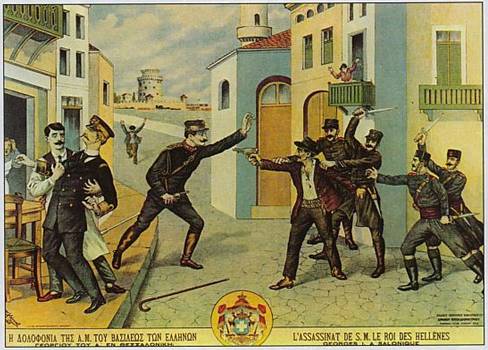
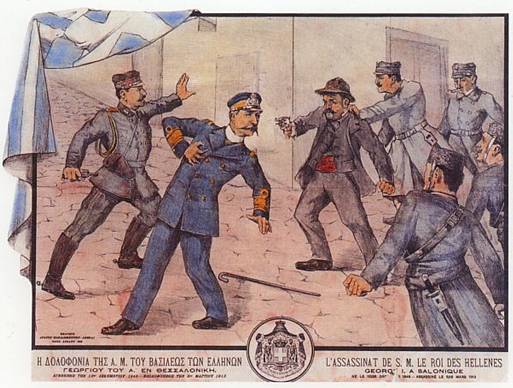
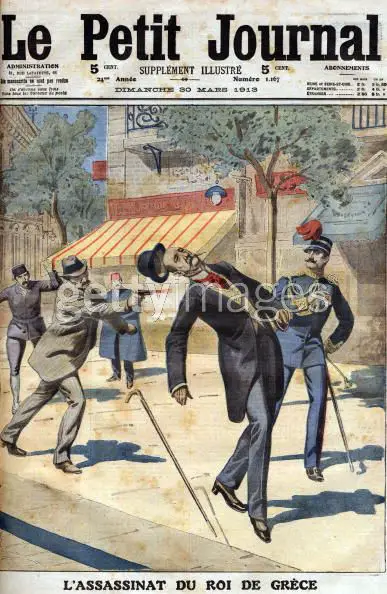
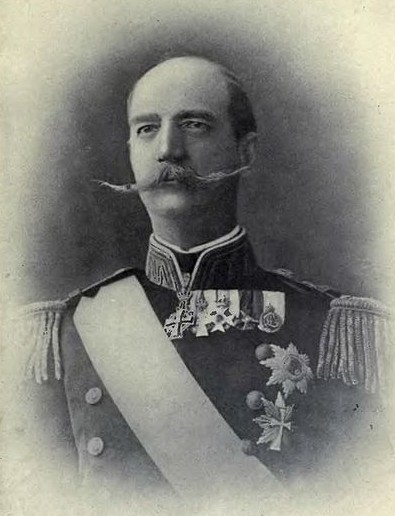
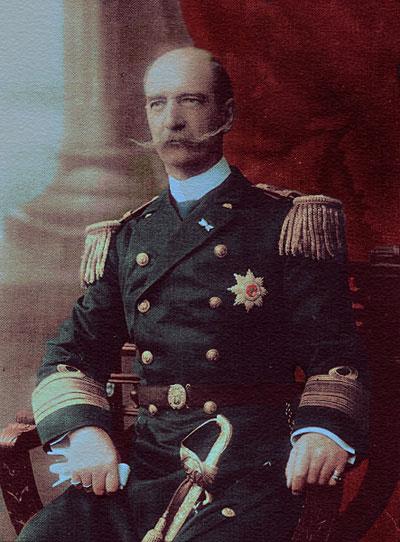
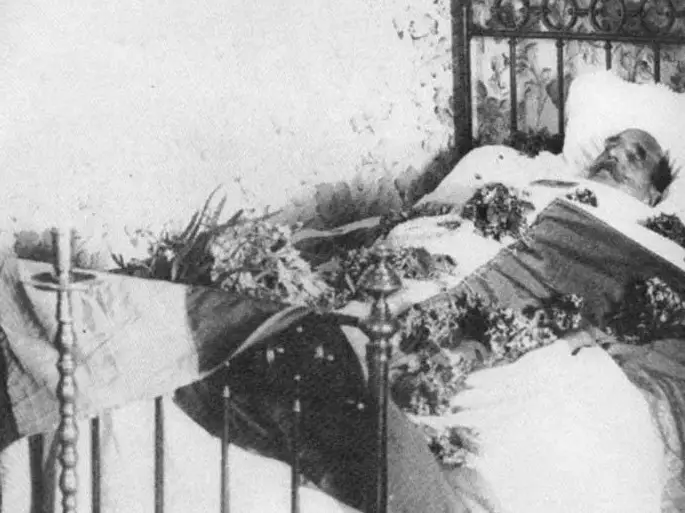
On March 18, 1913, at approximately 5:15 PM, Schinas assassinated King George I of Greece near the White Tower in Thessaloniki. He approached the King from behind and fired a single shot from a distance of two paces. The bullet entered below the shoulder blade, piercing the heart and lungs, causing the King's death before he could reach medical assistance.
3. Investigation and Arrest
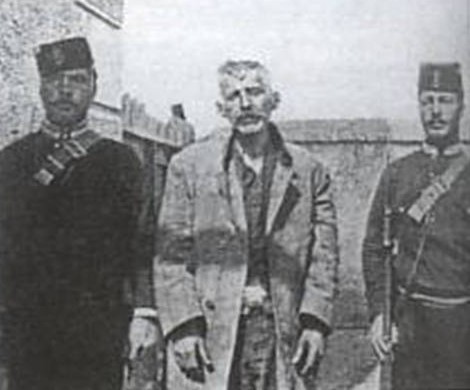
Schinas was apprehended at the scene. During initial questioning, he remained composed, citing his opposition to government structures as his primary motive. Authorities later attempted to portray him as an alcoholic vagrant to minimize the political impact of the assassination. He was subjected to severe interrogation and torture to extract information regarding potential accomplices, but he remained silent.
4. Legal Proceedings and Outcome
While various theories circulated regarding foreign involvement (Bulgaria, Austria-Hungary, or Germany), no evidence of a conspiracy was ever established. The investigation into his potential accomplices yielded no results.
5. Psychiatric Evaluation and Death
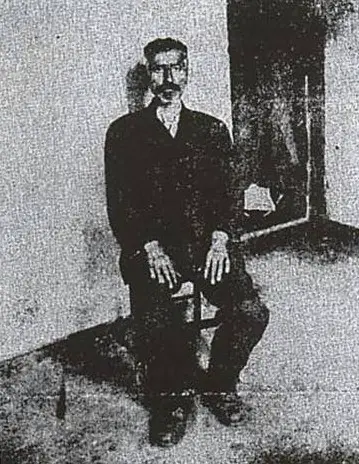
On May 6, 1913, Schinas died after falling from a window at the police station in Thessaloniki. While officially recorded as a suicide, forensic historians have long debated the possibility that he was defenestrated by police officers during his detention.