Forensic & Criminological Matrix
| Parameter | Forensic Detail |
|---|---|
| Forensic Heading / Aliases | None |
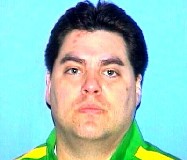
| Legal Identity | John Sapp |
| Confirmed Victims | 3 |
| Attributed / Indicted Victims | 4 |
| Active Timeline | 1975 - 1986 |
| Jurisdiction / Area of Operations | California (Contra Costa, Butte, Colusa) |
| Criminological Classification | Serial Killer |
| Forensic Modus Operandi | Execution by firearm and body concealment |
| Weapon / Mechanism of Death | Firearm (handgun) |
| Motive / Behavioral Dynamics | Drug trafficking conflicts and personal control |
| Judicial Outcome | Sentenced to death (1991) |
1. Background and Profile
John Sapp, born in 1949, was a drifter and drug dealer with a long history of institutionalization. By the age of 32, he had spent nearly two decades in state and county facilities. His behavioral profile suggests a volatile individual who resorted to lethal violence to resolve interpersonal and business disputes.
2. Crime Spree
Sapp's criminal activity spanned from 1975 to 1986. His confirmed victims were John Abono (1975), Elizabeth Duarte (1981), and Robert Weber (1985). The death of his mother, Geraldine Sapp, remains a significant part of his criminal record, though he denied direct responsibility. His modus operandi involved luring victims to isolated areas, executing them with gunfire, and burying their remains.
3. Investigation and Arrest
Law enforcement interest intensified in April 1986 following the discovery of skeletal remains in Butte County. Sapp was arrested on a weapons charge, which led to his subsequent confession regarding the murder of John Abono. Investigators in Contra Costa and Butte counties worked to link him to multiple cold cases.
4. Legal Proceedings and Outcome
Sapp was convicted in 1991 for the murders of Abono, Duarte, and Weber. He was sentenced to death on June 21, 1991. The California Supreme Court upheld his death sentence in 2003, rejecting claims that his confessions were illegally obtained.