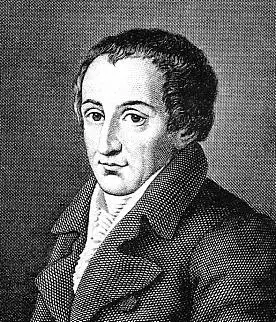
Forensic & Criminological Matrix
| Parameter | Forensic Detail |
|---|---|
| Forensic Heading / Aliases | Henry |
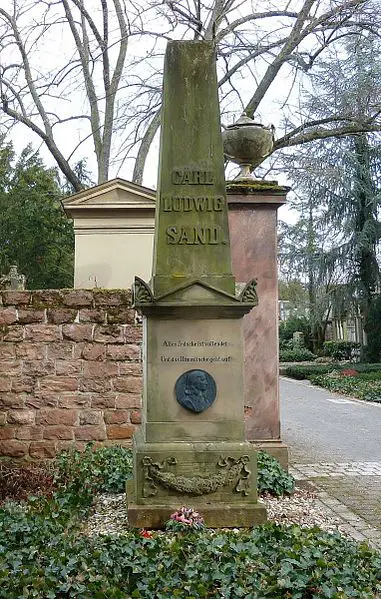
| Legal Identity | Karl Ludwig Sand |
| Confirmed Victims | 1 |
| Attributed / Indicted Victims | 1 |
| Active Timeline | 1819 |
| Jurisdiction / Area of Operations | Mannheim, Germany |
| Criminological Classification | Political assassin / Fanatic |
| Forensic Modus Operandi | Stabbing with a dagger |
| Weapon / Mechanism of Death | Dagger |
| Motive / Behavioral Dynamics | Radical nationalism / Ideology |
| Judicial Outcome | Executed by beheading |
1. Background and Psychopathy
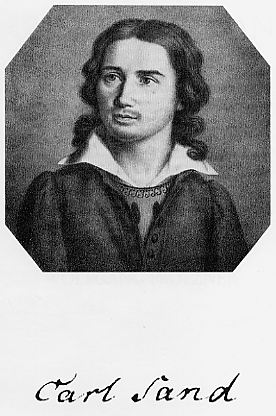
Born in Wunsiedel in 1795, Karl Ludwig Sand was a theology student deeply involved in the Burschenschaft movement. His early life was characterized by severe health struggles, which contributed to his intense, ascetic, and highly disciplined personality. He became radicalized by the perceived betrayal of German nationalist aspirations following the Napoleonic Wars.
2. Crime Spree
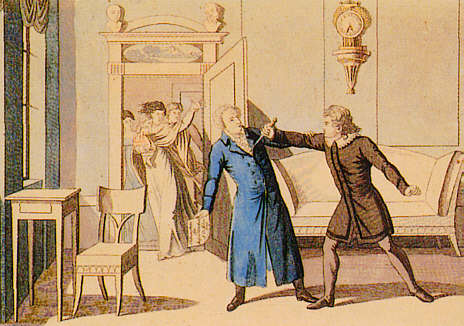
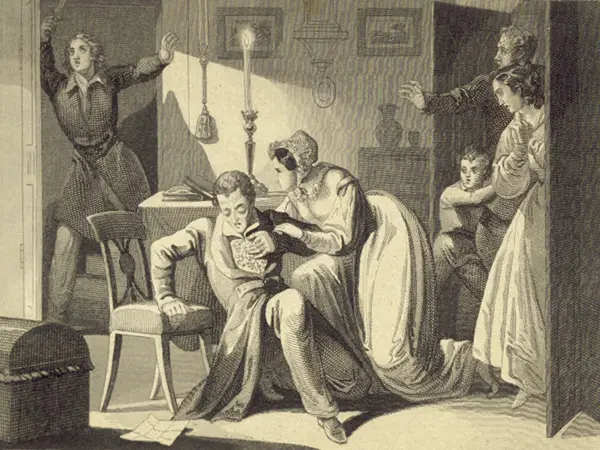
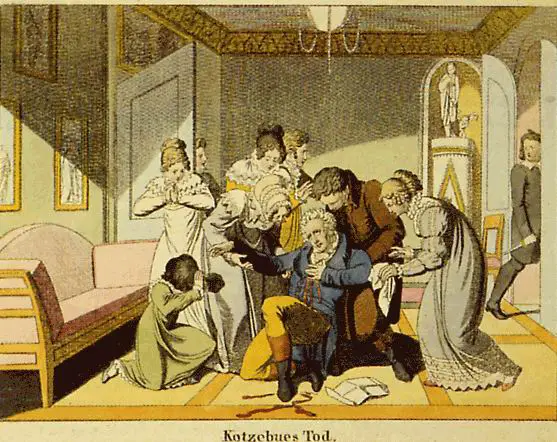
Sand targeted August von Kotzebue, a prominent conservative dramatist, viewing him as a Russian agent and a threat to German unity. On March 23, 1819, he traveled to Mannheim, gained access to Kotzebue's home, and killed him with a dagger. He subsequently attempted suicide in the street but survived the initial injuries.
3. Investigation and Arrest
Authorities recovered extensive documentation, including Sand's journals, which provided a clear roadmap of his premeditation. He had even practiced the lethal strike on a friend to ensure efficiency. His arrest was immediate following his failed suicide attempt.
4. Legal Proceedings and Outcome
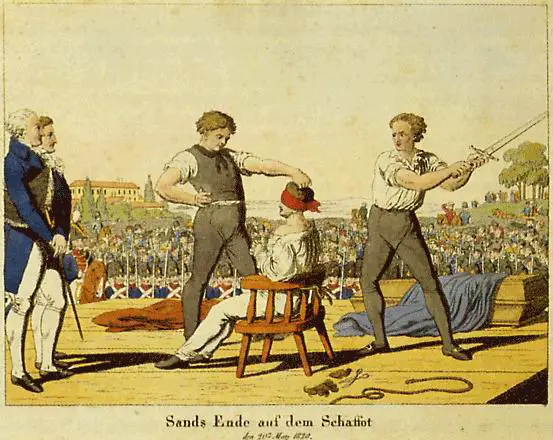
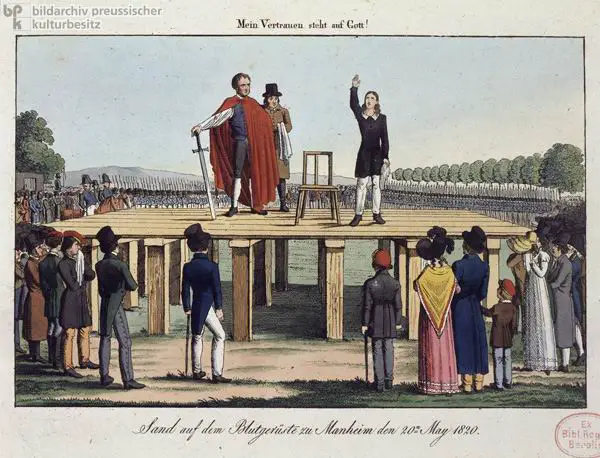
Sand was tried in Mannheim. He remained steadfast in his convictions, refusing to implicate others and viewing his act as a divine and national duty. Despite international pressure and the delay caused by his recovery from self-inflicted wounds, he was sentenced to death and executed by beheading on May 20, 1820.