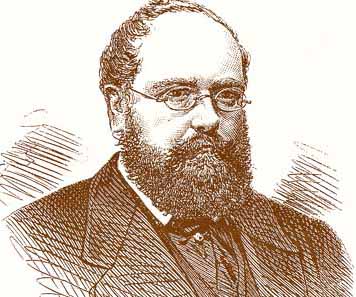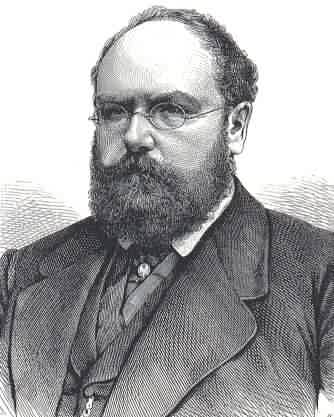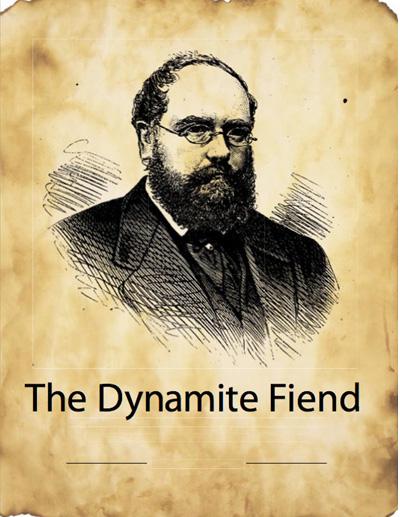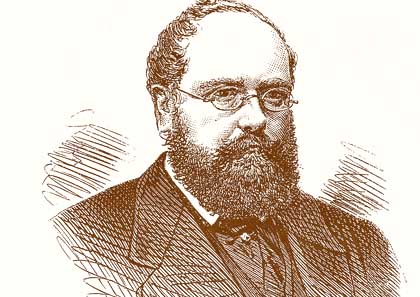




Alexander Keith Jr.: «The Dynamite Fiend» and the Mosel Tragedy
Executive Summary
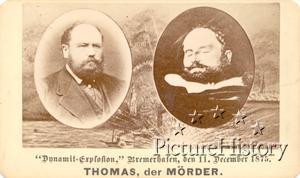
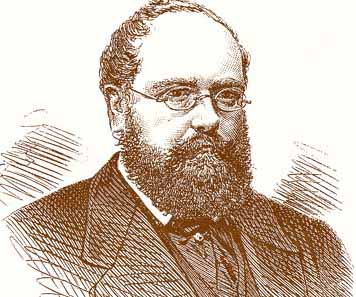
On December 11, 1875, the docks of Bremerhaven, Germany, became the setting for the deadliest non-military bombing of the nineteenth century and the most catastrophic deliberate peacetime disaster of its era. Alexander Keith Jr. (1827 – 1875), a Canadian fraudster and blockade runner operating under the assumed name William King Thomas, orchestrated a conspiracy to sink the passenger steamship SS Mosel in mid-Atlantic using an infernal machine filled with dynamite and activated by clockwork, intending to collect fraudulent maritime insurance payouts.
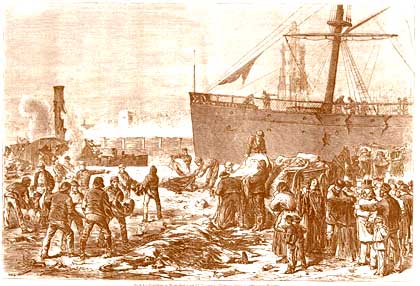
However, the explosive device detonated prematurely on the crowded pier while longshoremen were hoisting the barrel from a horse-drawn cart. The blast killed 81 individuals—including emigrant families, sailors, and onlookers—and grievously injured more than 200. Watching the devastation from a tender ship and realizing his plot had failed, Keith locked himself in his cabin and fired two revolver rounds into his head, succumbing five days later. The subsequent investigation exposed an international web of insurance frauds and linked Keith to the unexplained 1870 disappearance of the passenger ship SS City of Boston and its 191 passengers.
Forensic & Criminological Matrix
| Parameter | Forensic Detail |
|---|---|
| True Identity | Alexander Keith Jr. |
| Prominent Aliases | William King Thomas, Dandy Keith, The Dynamite Fiend |
| Date of Birth | September 3, 1827 (Caithness, Scotland / raised in Halifax, Nova Scotia, Canada) |
| Date of Death | December 16, 1875 (Aged 48; suicide by gunshot in Bremerhaven, German Empire) |
| Criminological Classification | Financial Terrorist / Mass Murderer through Maritime Insurance Fraud |
| Confirmed Fatalities | 81 people killed (over 200 injured and mutilated on the Bremerhaven pier) |
| Suspected Prior Disappearances | Linked to the vanishing without trace of the SS City of Boston (1870; 191 deceased) |
| Date of Detonation | Saturday, December 11, 1875 (11:15 CET) |
| Crime Scene | Weser Pier, Port of Bremerhaven, German Empire |
| Explosive Device | Reinforced wooden barrel packed with dynamite and a silent Swiss clockwork mechanical percussion striker set for 10-day delay |
| Primary Motive | Massive fraudulent insurance claims on non-existent cargo of high-value silks and luxury provisions |
| Judicial Disposition | Case closed without prosecution due to perpetrator suicide. |
Origins, Confederate Blockade Running, and «Dandy Keith»
Alexander Keith Jr. was born in Scotland and emigrated as a boy to Halifax, Nova Scotia, where he was taken in by his uncle, Alexander Keith Sr., a prominent brewing magnate, mayor of Halifax, and provincial politician.
Despite enjoying wealthy patronage, young Keith showed an aversion to legitimate labor and a compulsive taste for extravagant luxury, earning the nickname «Dandy Keith»:
- Confederate Secret Service and Blockade Runner: During the American Civil War (1861–1865), Keith served as a civilian liaison in Halifax for the Confederate Secret Service, enriching himself through blockade-running networks delivering weapons to southern ports.
- The Confederate Swindle (1865): In the war's final months, Keith betrayed southern agents and local banks, absconding with substantial gold reserves intended for naval operations. He fled Canada, eventually settling in Europe as a supposed wealthy American gentleman named William King Thomas.
- Lavish Lifestyle in Saxony: Residing in Dresden with an entourage, Keith squandered his wealth on gambling and couture. By 1873, suffocated by debts, he devised a scheme: insuring phantom shipments of silks and caviar on passenger steamers and sinking them mid-ocean using delayed-action explosives.
Unsolved Mystery: The SS City of Boston (1870)
Following the 1875 revelations, Scotland Yard and Lloyd's of London re-examined past maritime losses:
- In January 1870, the British passenger steamer SS City of Boston departed Halifax for Liverpool with 191 souls aboard. The ship vanished in the North Atlantic without leaving wreckage, lifeboats, or survivors.
- Records confirmed Alexander Keith had been in Halifax weeks before the sailing, had purchased insurance policies on unspecified freight, and had consulted explosives technicians. Maritime historians suspect this was Keith's first successful bombing.
The Infernal Machine of the SS Mosel
In mid-1875, Keith contracted a precision watchmaker in Bern, Switzerland, to build an ultra-robust, silent clockwork mechanism, claiming it was designed for an American deep-sea geological surveying apparatus:
- The Mechanism: Wound to run continuously for ten days, on the tenth day it released a spring-loaded steel striker onto a mercury fulminate percussion cap.
- The Charge: Keith purchased large quantities of newly patented nitroglycerin dynamite, packing the explosive and timing assembly inside a lead-lined, pitch-sealed heavy barrel labeled as heavy machinery.
- The Plan: The barrel was consigned to the hold of the SS Mosel, a Norddeutscher Lloyd liner bound from Bremerhaven to New York via Southampton. The device was calibrated to detonate in deep water, ensuring the ship's loss with all hands and yielding Keith insurance payouts exceeding £150,000 (millions in modern currency).
The Bremerhaven Pier Catastrophe (December 11, 1875)
On Saturday morning, December 11, 1875, the Weser pier was teeming with passengers and emigrants bidding farewell:
- 11:15 CET: A cart brought Keith's heavy barrel to the pier crane.
- Longshoremen wrapped hoisting chains around the barrel. As it swung above the cobblestones, the chains slipped or the casing gave way.
- The Drop: The barrel crashed onto the stone dock. The impact tripped the internal firing pin, detonating the dynamite.
- The Blast: The shockwave disintegrated men, carts, and draft horses within fifty meters, carving a deep crater in the granite pier. Projectiles and stone fragments shredded the crowd. Roofs collapsed and windows shattered hundreds of meters away.
- Casualties: 81 people died instantly or succumbed within hours, with over 200 suffering severe maiming. The Mosel's deck was sprayed with debris, though the vessel itself escaped destruction.
Keith's Suicide and Investigation
Keith was aboard a passenger tender watching the loading:
- Hearing the explosion and seeing the smoke, Keith realized his device had detonated prematurely and that authorities would trace the cargo directly to him.
- He retreated to his private cabin and shot himself twice in the head with a revolver.
- He survived in critical condition, uttering disjointed confessions about the insurance and the Bern clockwork to examining magistrates before dying on December 16, 1875.
Legacy and Impact
- Uncovering the Syndicate: German police and Scotland Yard raided Keith's Dresden residence, seizing detonation schematics, correspondence with insurance syndicates, and financial records confirming his identity as the wanted Halifax embezzler.
- Statutory Reform: The catastrophe led European and American governments to pass stringent statutes governing the civilian maritime shipment and storage of high explosives on commercial vessels.
- Cultural Memory: Popular German street ballads (Moritaten) and broadsides denounced "The Dynamite Fiend," cementing Alexander Keith Jr. in criminological history as the nineteenth century's premier maritime insurance terrorist.