Forensic & Criminological Matrix
| Parameter | Forensic Detail |
|---|---|
| Forensic Heading / Aliases | None |
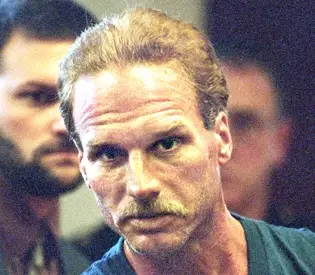
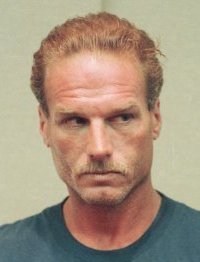
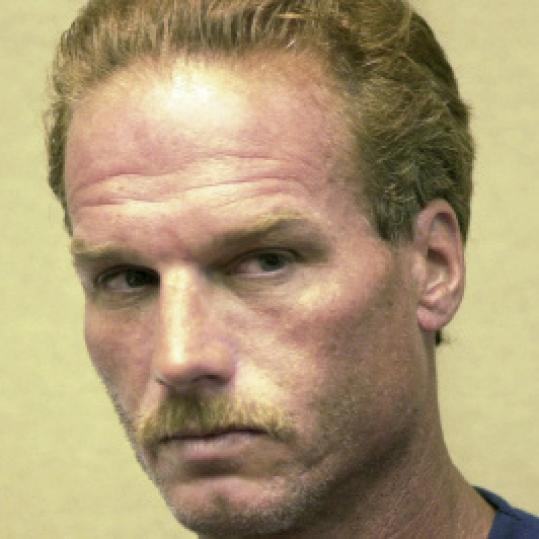
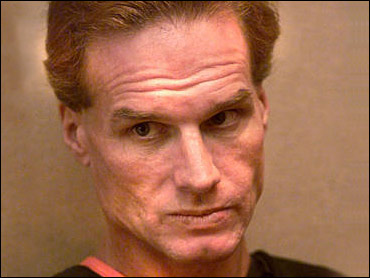
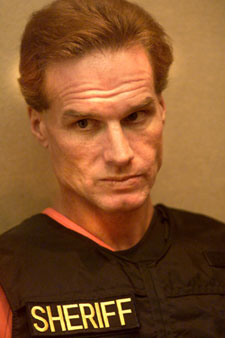
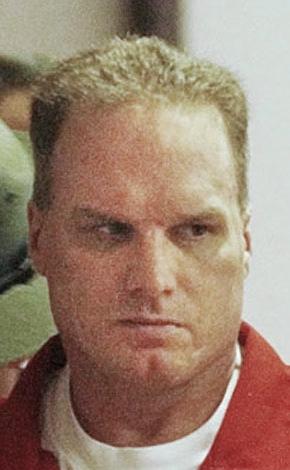
| Legal Identity | Gary Lee Sampson |
| Confirmed Victims | 3 |
| Attributed / Indicted Victims | 3 |
| Active Timeline | July 2001 |
| Jurisdiction / Area of Operations | Massachusetts and New Hampshire, USA |
| Criminological Classification | Spree Killer |
| Forensic Modus Operandi | Carjacking, abduction, and execution in isolated areas |
| Weapon / Mechanism of Death | Knife (stabbing) and strangulation |
| Motive / Behavioral Dynamics | Antisocial personality, criminal desperation |
| Judicial Outcome | Sentenced to death (2003) |
1. Background and Profile
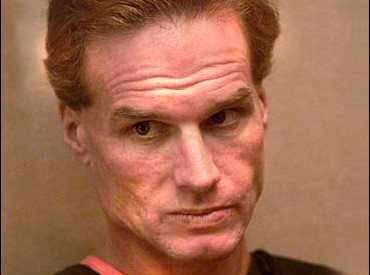
Gary Lee Sampson (1959–2021) was a career criminal with a 25-year record of bank robberies, burglaries, and prison escapes. Raised in Abington, Massachusetts, he exhibited a long-standing pattern of antisocial behavior and institutionalization.
2. Crime Spree
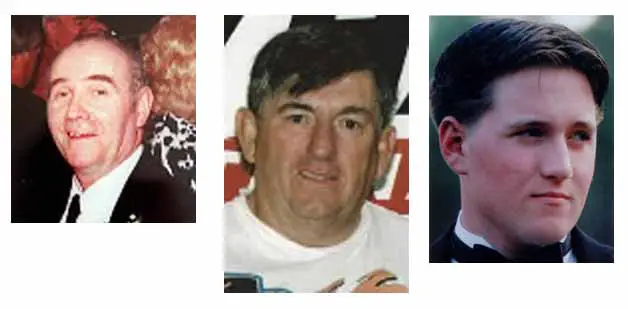
In July 2001, following a botched attempt to surrender to the FBI for bank robberies, Sampson embarked on a week-long killing spree. He targeted three men—Philip McCloskey, Jonathan Rizzo, and Robert Whitney—using a consistent method of hitchhiking to gain access to vehicles, then forcing the drivers to secluded locations to kill them.
3. Investigation and Arrest
Law enforcement tracked Sampson through the discovery of his victims' bodies and the recovery of a stolen vehicle. He was apprehended in Vermont on July 31, 2001, after a failed carjacking attempt against William Gregory, who escaped. Sampson surrendered to police shortly thereafter.
4. Legal Proceedings and Outcome
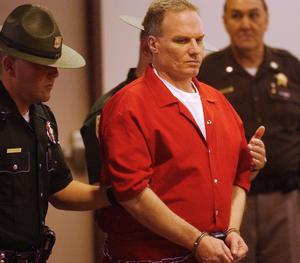
Sampson was tried in federal court in Boston. In 2003, he was sentenced to death, a landmark case as it was the first federal death penalty sentence in Massachusetts since the state abolished capital punishment. His legal team unsuccessfully argued mental health mitigation.
5. Psychiatric Evaluation and Final Disposition
Despite his claims of mental illness, the jury found him fully culpable. Sampson spent years on death row, during which he collaborated on an autobiography. He died of natural causes in prison in 2021.