


Forensic & Criminological Matrix
| Parameter | Forensic Detail |
|---|---|
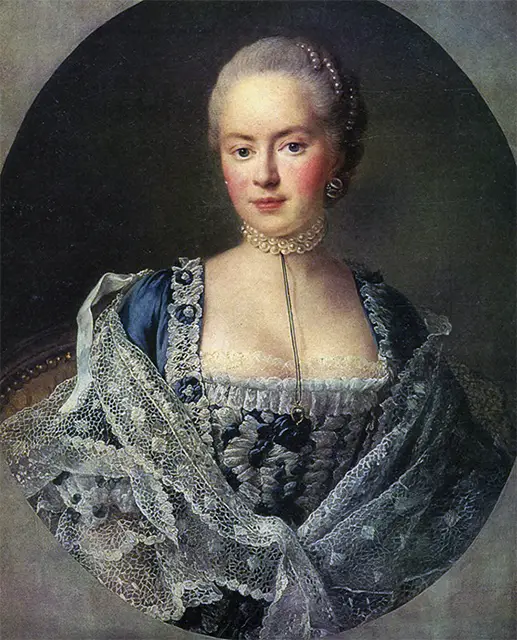
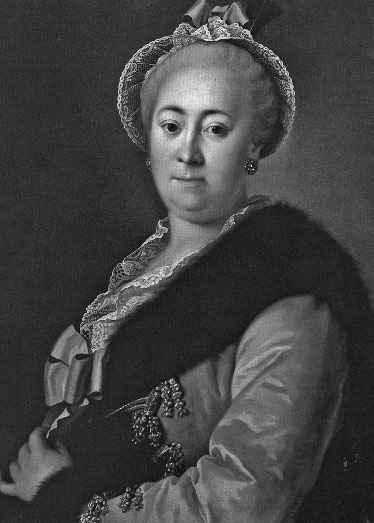
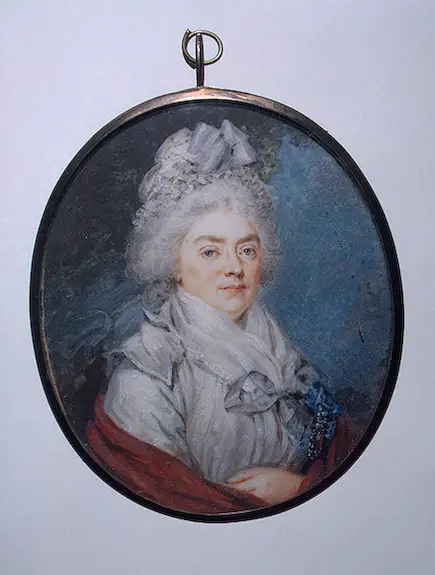
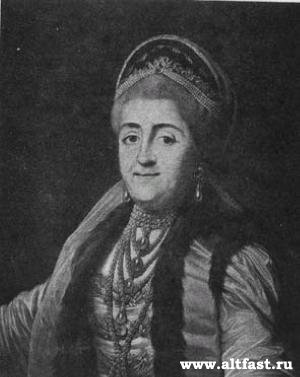
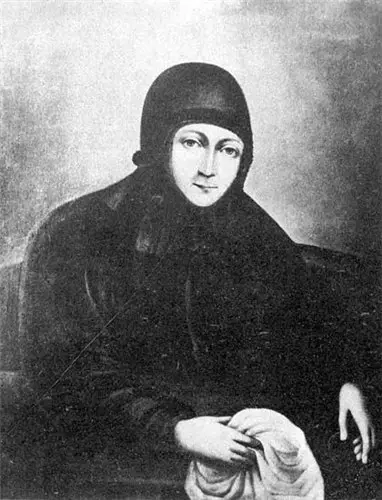
| Full Legal Name | Darya Nikolayevna Saltykova (Дарья Николаевна Салтыкова) |
| Birth Legal Identity | Darya Nikolayevna Ivanova |
| Judicial / Historical Epithet | Saltychikha (Салтычиха) / The Russian Blood Countess |
| Date of Birth | March 22, 1730 |
| Place of Birth | Russian Empire |
| Date of Death | December 9, 1801 (aged 71) |
| Place of Death | Ivanovsky Convent, Moscow, Russian Empire |
| Legal Cause of Death | Natural mortality in subterranean perpetual isolation |
| Procedural Status | Judicially condemned by Imperial Decree of Catherine the Great; stripped of nobility and imprisoned for life |
| Proven Victims | 38 murders conclusively proven in court |
| Suspected Victims | 138+ peasant serfs (predominantly young women and adolescent girls) |
| Criminological Classification | Aristocratic serial killer / Feudal institutional sadism |
| Motive | Sadistic impulses and unrestrained despotic power over serfdom |
| Modus Operandi | Prolonged physical torture, fatal floggings, scaldings, and systemic deprivation on noble estates |
Criminological Profile & Feudal Context
Darya Nikolayevna Ivanova was born into high Russian noble lineage possessing immense generational wealth. Her marriage to Gleb Alexeyevich Saltykov, a captain in the elite Horse Guards Regiment, integrated her into Moscow's foremost aristocratic circles.
Following her husband's early death in 1755, the twenty-six-year-old widow inherited vast agrarian estates across Moscow, Vologda, and Kostroma, comprising dominion over more than six hundred bonded serfs. Her primary residence was established at the Troitskoye manor near Moscow.
Under eighteenth-century Russian serfdom, landowners exercised near-absolute disciplinary control over their laborers. In the wake of her bereavement, Saltykova manifested severe sadistic pathologies, targeting young female domestic serfs under trivial pretexts of substandard laundering or household cleaning.
Systematic Torture and Atrocities
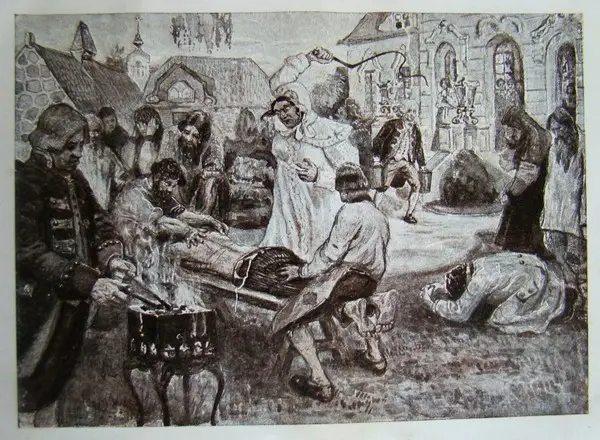
Forensic evidence compiled during subsequent proceedings delineated a horrifying pattern of abuse. Saltykova personally subjected servants to blunt trauma, hurling rolling pins and hot irons, and pouring boiling water over their bodies. She subsequently directed estate bailiffs—acting under duress—to conduct protracted floggings with birch rods and whips until the victims suffered physical collapse.
Victims who succumbed to their injuries were interred in clandestine woodland graves or registered with local clergy under fraudulent causes of death. For over six years, dozens of complaints brought by serfs' relatives to regional administrative offices were suppressed through widespread bribery and noble patronage, often resulting in the complainants themselves being penalized.
Catherine the Great's Inquiry and the Judicial Trial
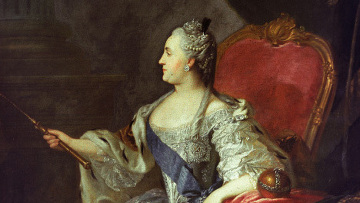
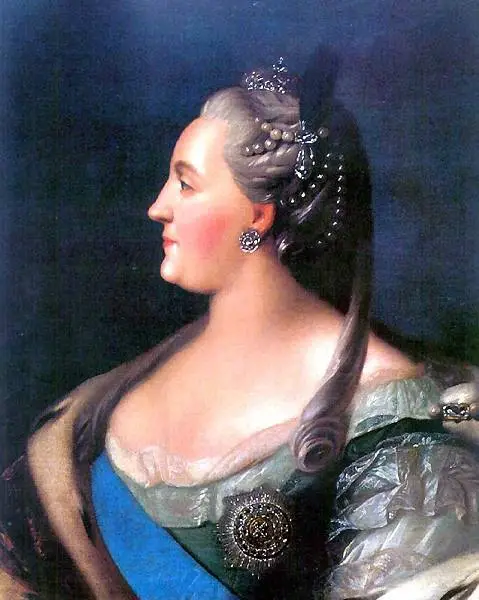
The barrier of impunity broke in 1762 following the accession of Empress Catherine II (the Great). Two serfs whose wives had been murdered at Troitskoye, Savely Martynov and Yermolay Ilyin, evaded estate guards and hand-delivered a formal petition of grievances directly to the Empress in Saint Petersburg.
Seeking to project an image of Enlightenment governance and enforce legal accountability over the landed gentry, Catherine II instituted a sovereign state inquiry directed by the Moscow College of Justice. Led by magistrate Stepan Volkov, the investigation lasted six years, auditing estate registries, exhuming mass graves, and taking formal testimony from hundreds of peasant witnesses.
The final findings established that at least 138 serfs had died under violent circumstances at Saltykova's estates, establishing clear culpability for the direct murder of 38 women.
Sovereign Judgment and Subterranean Solitary Confinement
On October 2, 1768, Catherine II issued the final imperial sentencing decree:
- Deprivation of Nobility: Saltykova was stripped of all noble titles, familial privileges, and property rights, officially designated by royal decree as "that completely inhuman creature."
- Public Pillory: She was mounted on a public scaffold in Moscow's Red Square for one hour, chained with a placard around her neck reading "Tormenter and Murderer."
- Subterranean Confinement: She was remanded to the Ivanovsky Convent in Moscow, entombed in an underground cell deprived of natural light, completely barred from human interaction except for the delivery of daily rations.
Darya Saltykova remained confined within this subterranean dungeon for thirty-three years until her death on December 9, 1801, at the age of seventy-one.