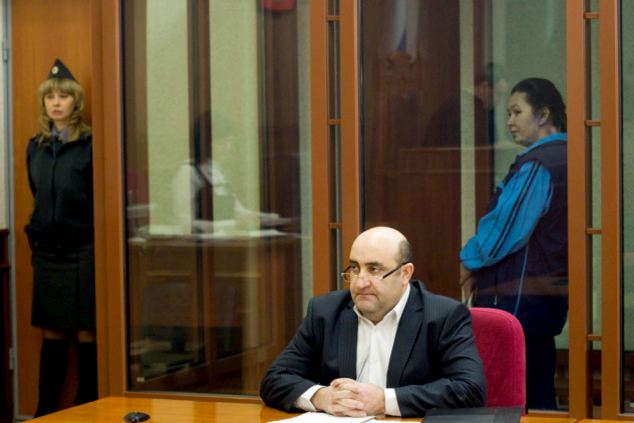





Forensic & Criminological Matrix
| Parameter | Forensic Detail |
|---|---|
| Forensic Heading / Aliases | "Satan in a Skirt", "Raskolnikov in a skirt", "She-wolf of Krasnoufimsk" |
| Legal Identity | Irina Viktorovna Gaidamachuk |
| Confirmed Victims | 17 murders and 1 attempted murder |
| Active Timeline | 2002 - 2010 |
| Jurisdiction / Area of Operations | Krasnoufimsk, Yekaterinburg, Serov, Achit and Druzhinino (Sverdlovsk Oblast, Russia) |
| Criminological Classification | Acquisitive serial killer motivated by severe alcohol addiction |
| Forensic Modus Operandi | Posed as a social worker or decorator to gain the trust of vulnerable elderly women (aged 61–89), gained entry to their flats, and bludgeoned them to death with blunt instruments. |
| Weapon / Mechanism of Death | Axe, hammer, and heavy blunt objects |
| Motive / Behavioral Dynamics | Severe alcoholism (vodka addiction) and minor financial gain through petty theft |
| Judicial Outcome | Sentenced on June 12, 2012, to 20 years in prison (the maximum legal sentence for female offenders in Russia at the time, as life imprisonment cannot be applied to women) |
1. Background and Profile
Irina Viktorovna Gaidamachuk was born in 1972 in Nyagan, Russia. In her youth, she developed a severe alcohol addiction that fractured her family dynamics, leading authorities to strip her parents of custody. In the early 1990s, she relocated to Krasnoufimsk, where she met a man named Yury, with whom she had two children. Beneath her veneer as an ordinary mother—who occasionally helped out at her younger daughter's school—she harbored a deep alcohol dependency. Her husband routinely refused to provide her with cash out of fear she would spend it on alcohol, driving her to seek alternative, illicit means of funding her addiction.
2. Crime Spree
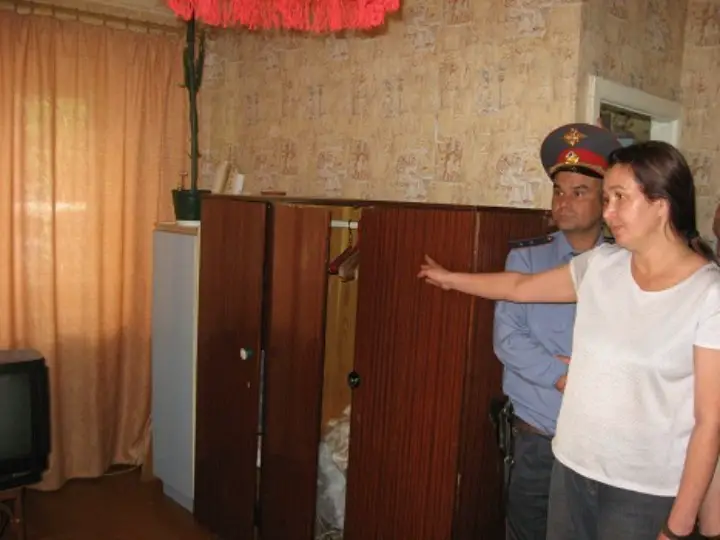
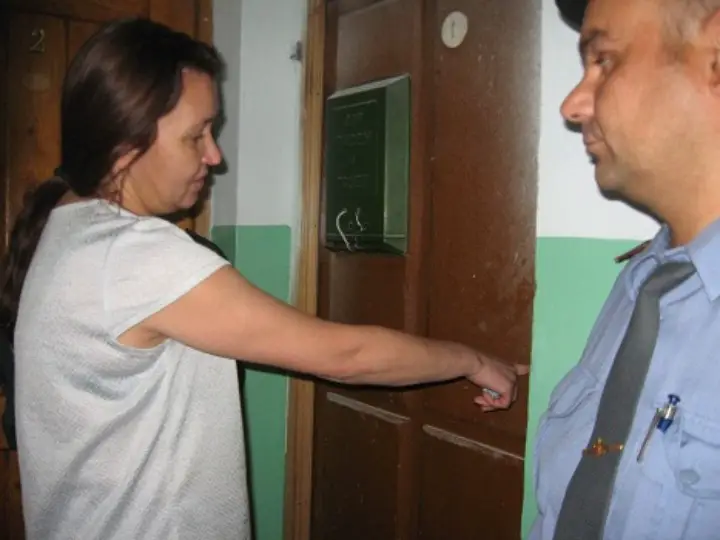
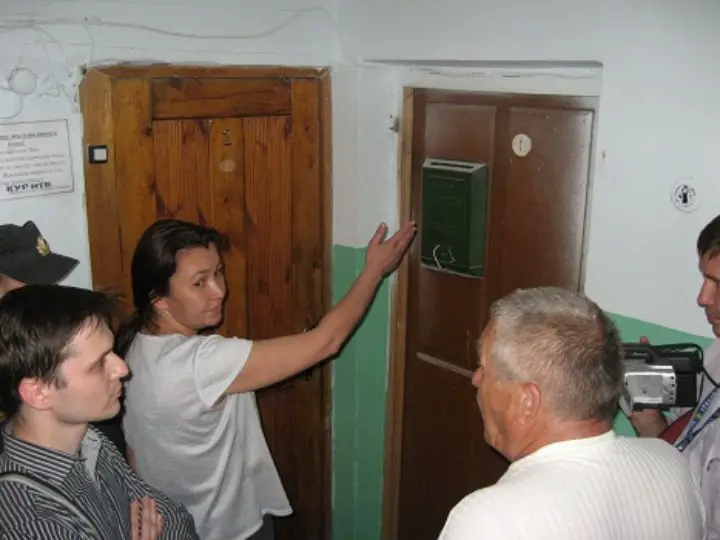
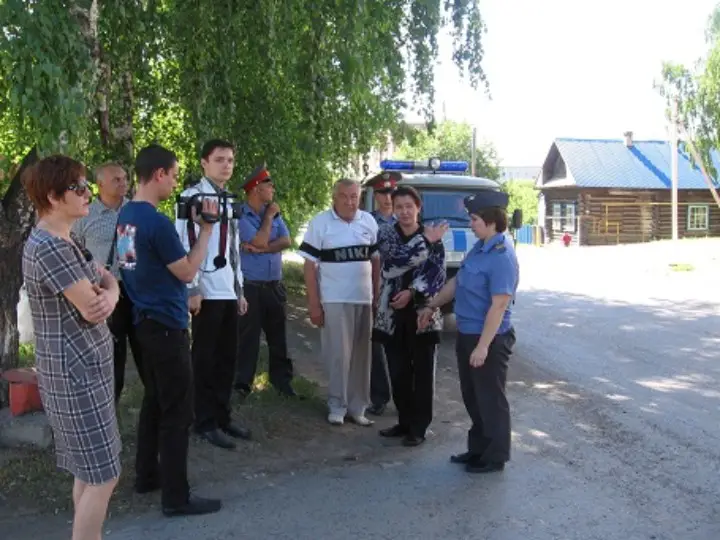
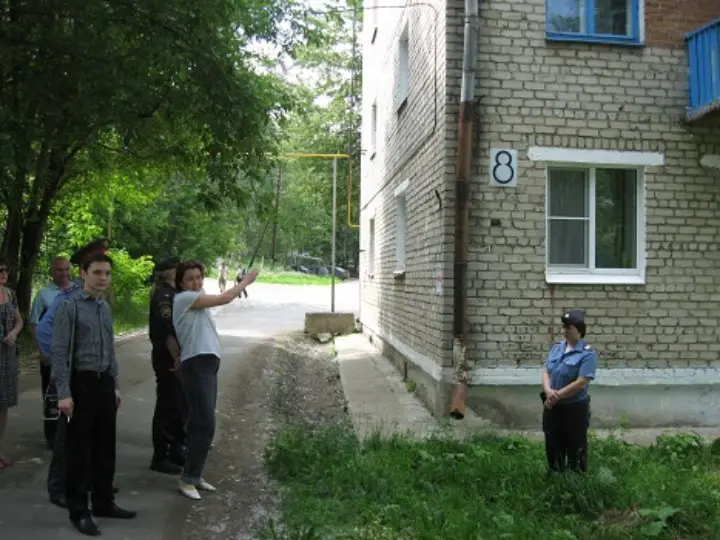
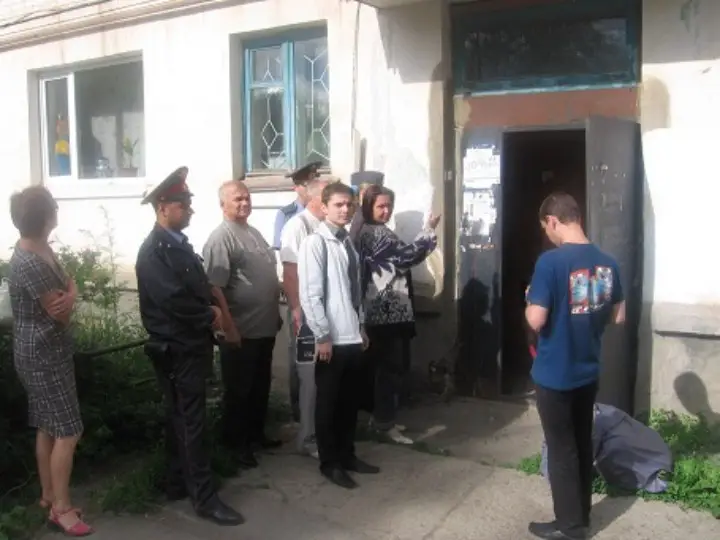
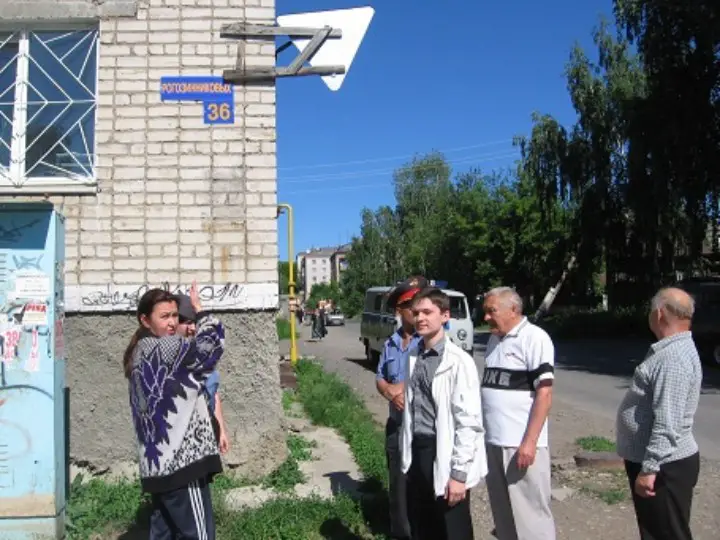
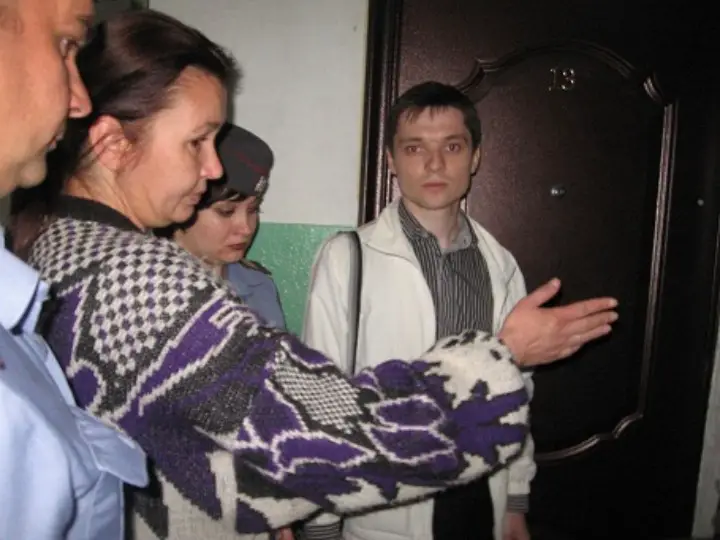
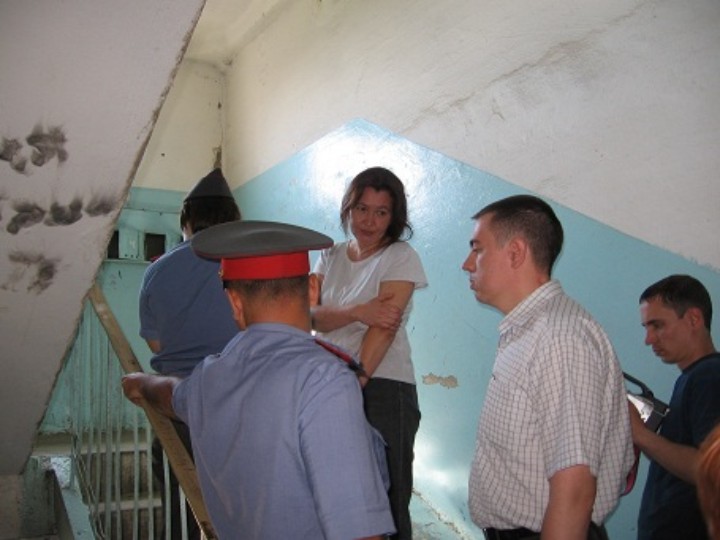
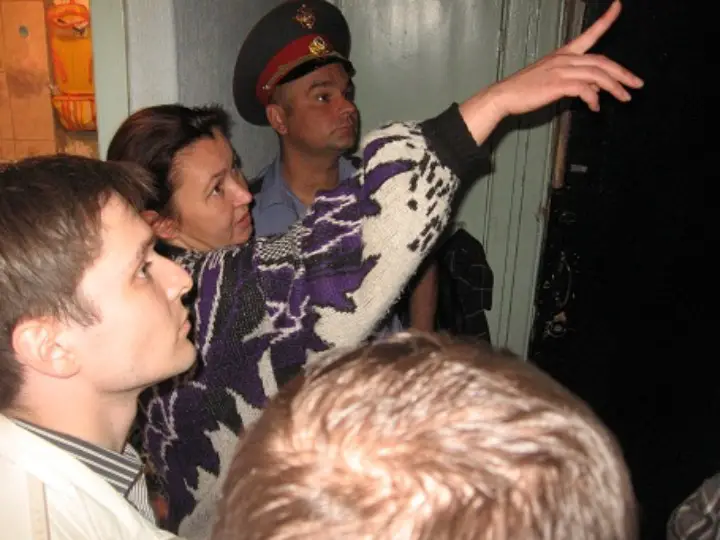
Between 2002 and 2010, Gaidamachuk carried out a reign of terror across the Sverdlovsk region, targeting 17 elderly women aged between 61 and 89. Her modus operandi relied on social engineering: she would approach elderly residents posing as a social welfare worker or, later, as a home decorator. Once inside the victim's apartment, she would brutally beat them to death using a hammer or an axe. Following the homicides, she would steal meager sums of cash from their purses—sometimes as little as 20 pounds equivalent—solely to purchase vodka. Investigators later noted instances where she left numerical markings on the walls of crime scenes.
3. Investigation and Arrest
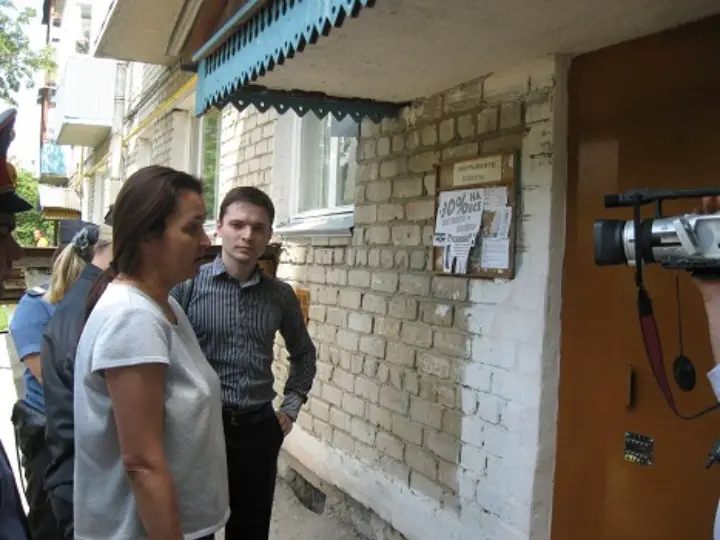
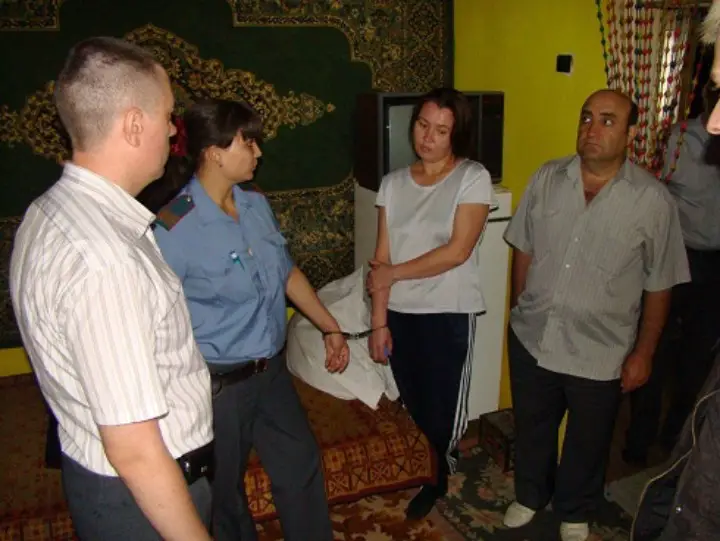
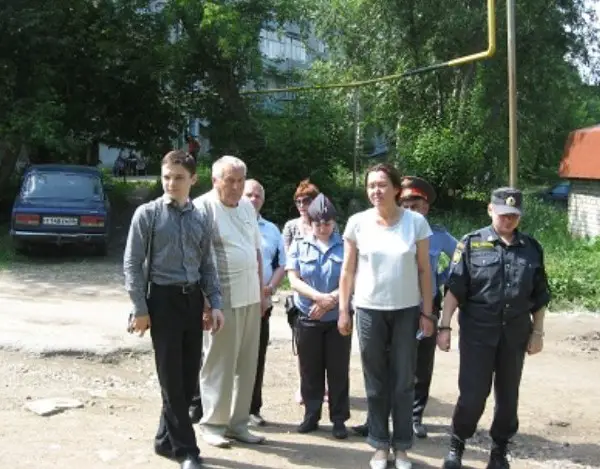
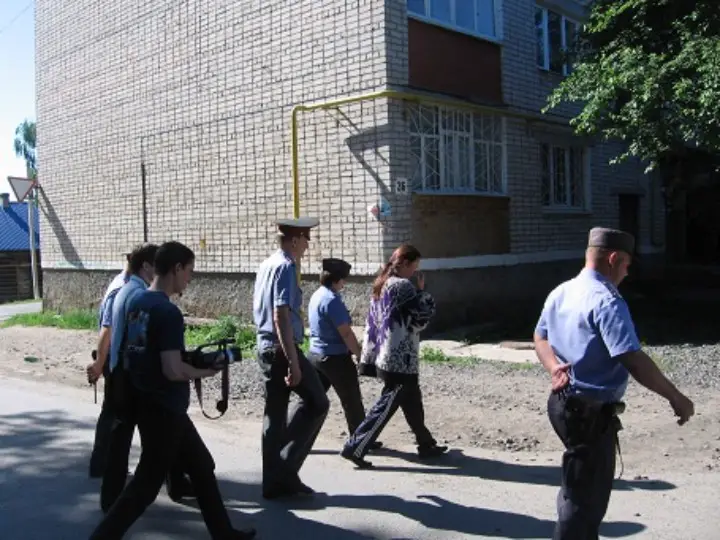
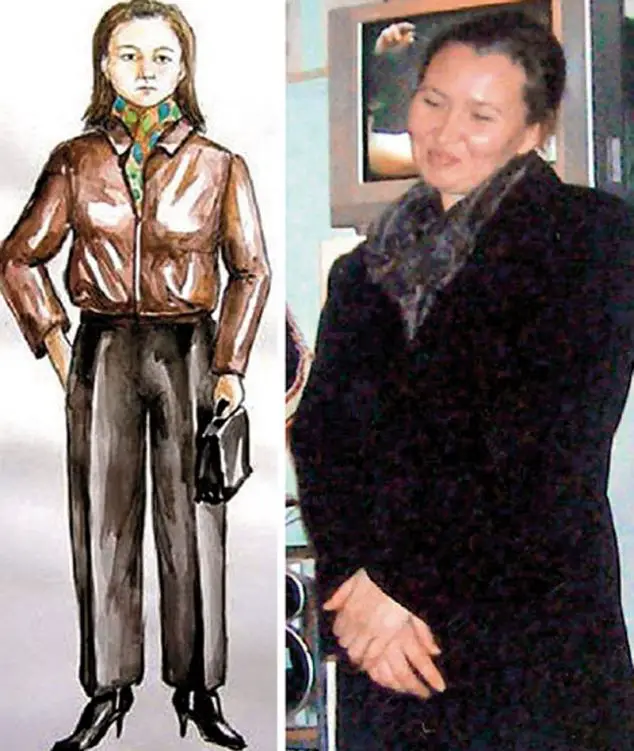
The investigation spanned eight years, hampered by investigative biases and operational missteps. Because of the extreme brutality of the blunt-force trauma, law enforcement initially rejected the hypothesis of a female offender, operating under the assumption that the killer must be a man or a man dressed as a woman. In a severe procedural blunder, police detained an innocent woman, Marina (or Irina) Valeeva, who was coerced into a false confession. After questioning over 3,000 individuals, a breakthrough occurred when a lone victim survived an attack and provided police with the crucial clue that the assailant was a woman with blonde hair. In May 2010, after murdering her final victim, 81-year-old Alexandra Povaritsyna, neighbors provided a description of the bogus decorator, leading directly to Gaidamachuk's arrest.
4. Legal Proceedings and Outcome
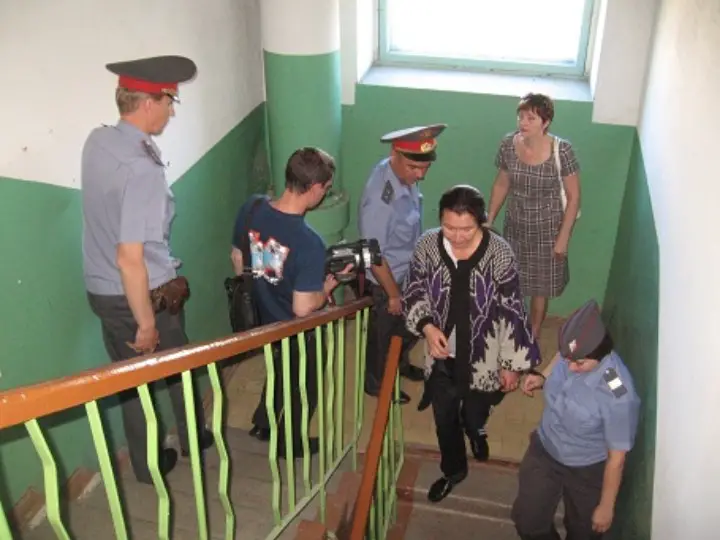
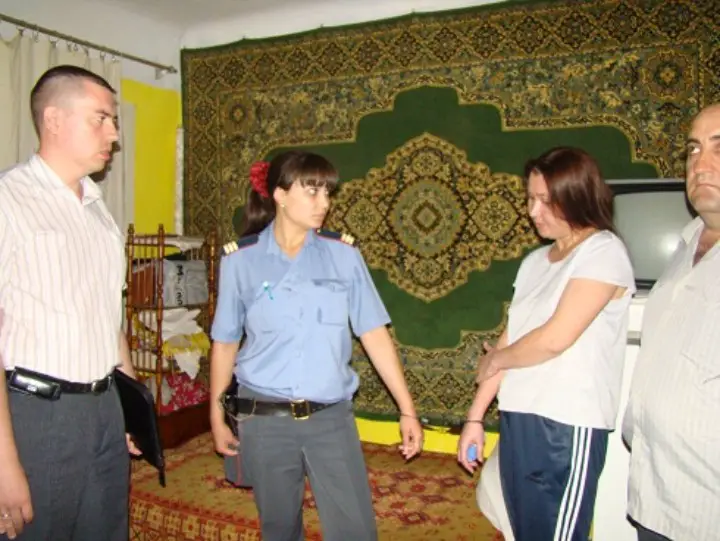
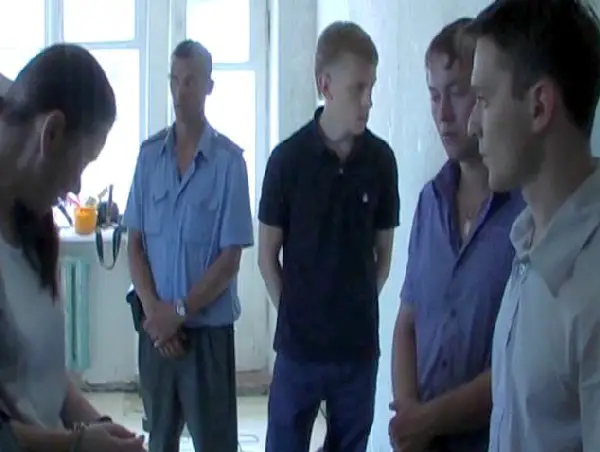
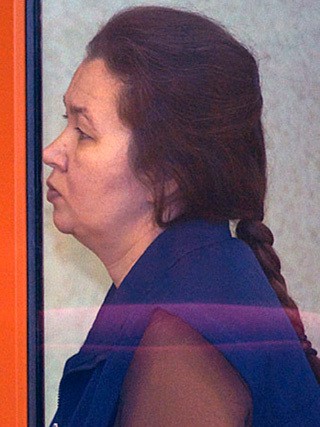
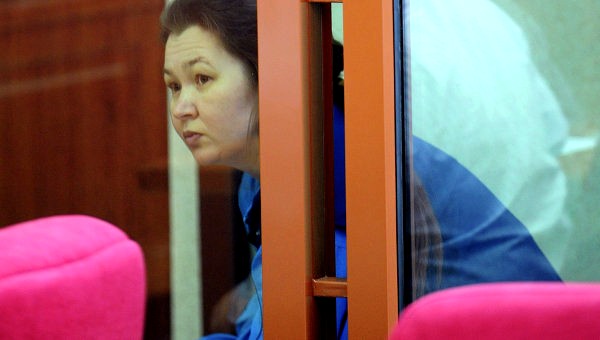
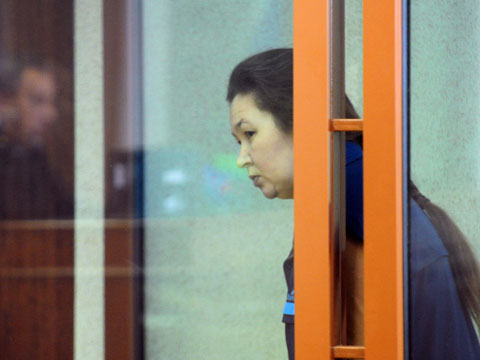
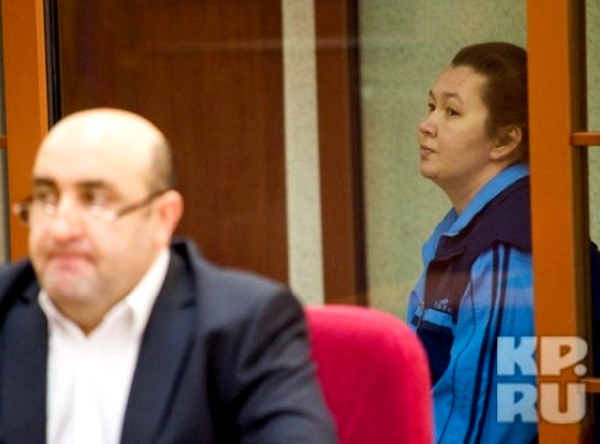
Following her apprehension in June 2010, Gaidamachuk confessed during the preliminary investigation, though she contested aspects during trial proceedings. She underwent comprehensive forensic psychiatric evaluations at the Serbski National Research Centre in Moscow, which concluded that despite minor psychological abnormalities, she was legally sane and fully accountable for her actions.
5. Psychological Assessment and Verdict
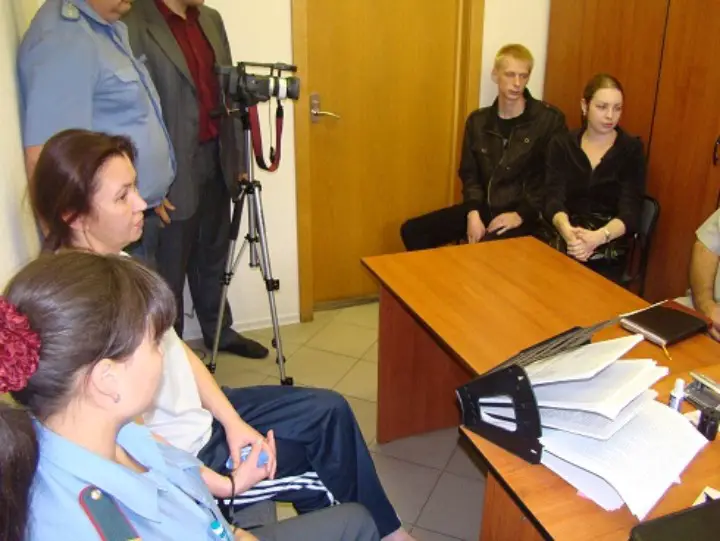
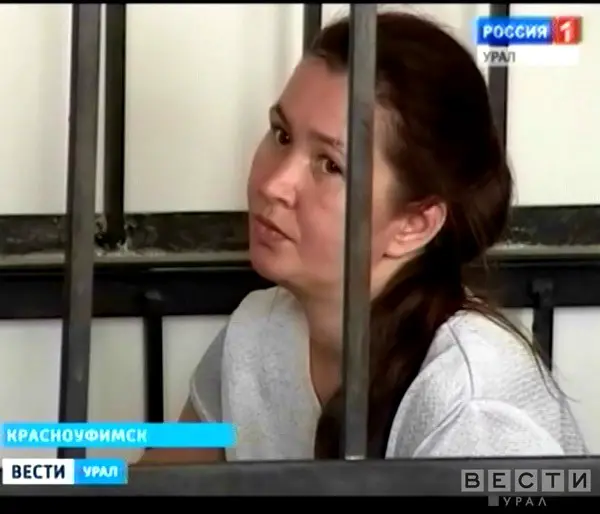
Trial hearings commenced in Yekaterinburg in February 2012. Gaidamachuk faced 17 counts of murder and one count of attempted murder. On June 12, 2012, the court sentenced her to 20 years in prison. The sentence provoked outrage among victim advocacy groups and relatives, who considered it lenient given the body count. However, Russian law prohibits life sentences for women, and the judge factored in a five-year reduction from the maximum 25-year female limit due to her status as a mother. She remains incarcerated in a correctional facility.