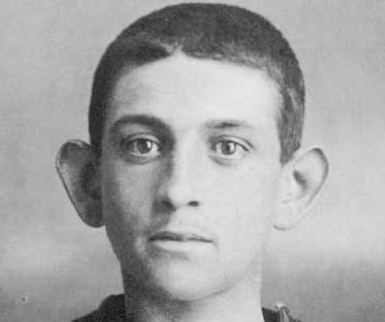
Forensic & Criminological Matrix
| Parameter | Forensic Detail |
|---|---|
| Forensic Heading / Aliases | null |
| Legal Identity | Amardeep Sada |
| Confirmed Victims | 1 |
| Attributed / Indicted Victims | 3 |
| Active Timeline | 2006 - 2007 |
| Jurisdiction / Area of Operations | Musahari, Begusarai, Bihar, India |
| Criminological Classification | Juvenile offender with psychopathic traits |
| Forensic Modus Operandi | Abduction of infants, blunt force trauma with a brick, and body concealment |
| Weapon / Mechanism of Death | Brick (craniocerebral trauma) |
| Motive / Behavioral Dynamics | Conduct disorder, sadism, potential neurochemical imbalance |
| Judicial Outcome | Remanded to a juvenile detention center |
1. Background and Profile
Amardeep Sada, born in 1998 into an impoverished family in Musahari village, Bihar, was labeled by international media as "India's youngest serial killer." His psychological profile, assessed following his 2007 arrest, indicated a profound lack of empathy and a detached demeanor, often smiling during police questioning.
2. Criminal Career and Modus Operandi
Sada's modus operandi involved luring infants under one year of age to isolated fields. He would then brutally strike them with bricks until they succumbed to their injuries. He was linked to three homicides: his eight-month-old sister, his six-month-old cousin, and six-month-old Khushboo, a neighbor's daughter. The initial two killings were suppressed by his family as "family matters."
3. Investigation and Arrest
The investigation culminated after the disappearance of Khushboo, who was abducted from a primary school. Confronted by villagers, Sada confessed and led them to the shallow grave where he had hidden the body. Police Superintendent Amit Lodha confirmed the consistency of the killings after the boy provided detailed accounts of his actions.
4. Legal Proceedings and Outcome
Following his arrest on May 30, 2007, Sada was placed in a juvenile remand home in Begusarai. Authorities sought professional psychiatric evaluation, as the boy displayed no remorse, famously asking for biscuits during his interrogation. The case sparked significant discourse regarding juvenile justice and mental health intervention in India.
5. Psychiatric Evaluation and Conclusion
Experts, including psychoanalyst Shamshad Hussain, identified a severe conduct disorder, noting the boy's inability to distinguish right from wrong and a sadistic gratification derived from inflicting injury. The judicial system mandated long-term psychiatric care and detention, with his status remaining under the purview of juvenile protection laws.