



Forensic & Criminological Matrix
| Parameter | Forensic Detail |
|---|---|
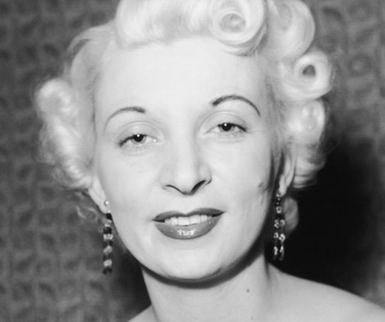
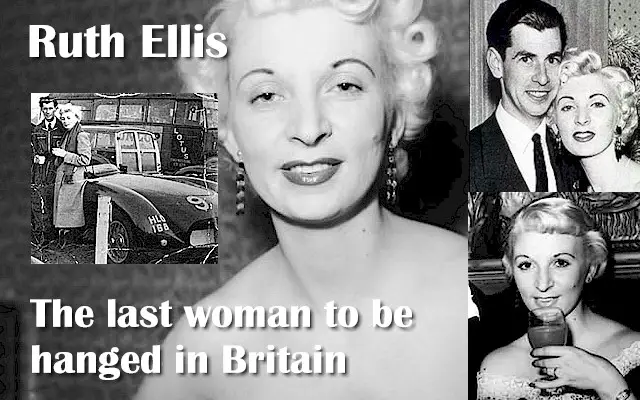
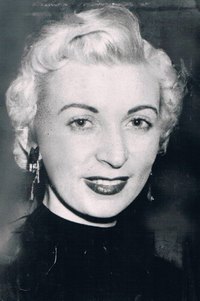
| Full Legal Name | Ruth Ellis (née Neilson) |
| Registered Monikers | The Last Woman Hanged in Great Britain |
| Nationality | British (Welsh) |
| Date and Place of Birth | October 9, 1926, Rhyl, Denbighshire, Wales, United Kingdom |
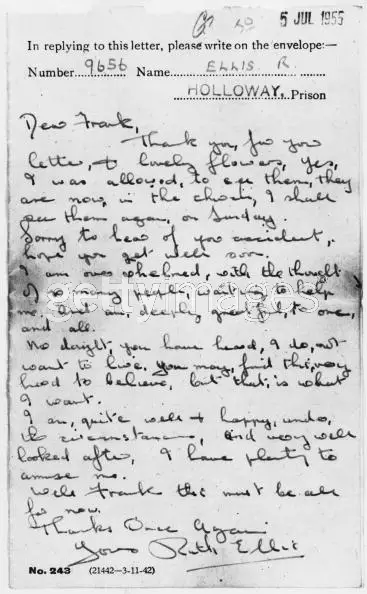
| Date and Place of Death | July 13, 1955, HM Prison Holloway, London, England (aged 28) |
| Cause of Death | Judicial execution by hanging carried out by hangman Albert Pierrepoint |
| Criminal Classification | Domestic/crime of passion homicide / Landmark legal catalyst |
| Date of Crime | April 10, 1955 (Easter Sunday, approximately 21:30 hours) |
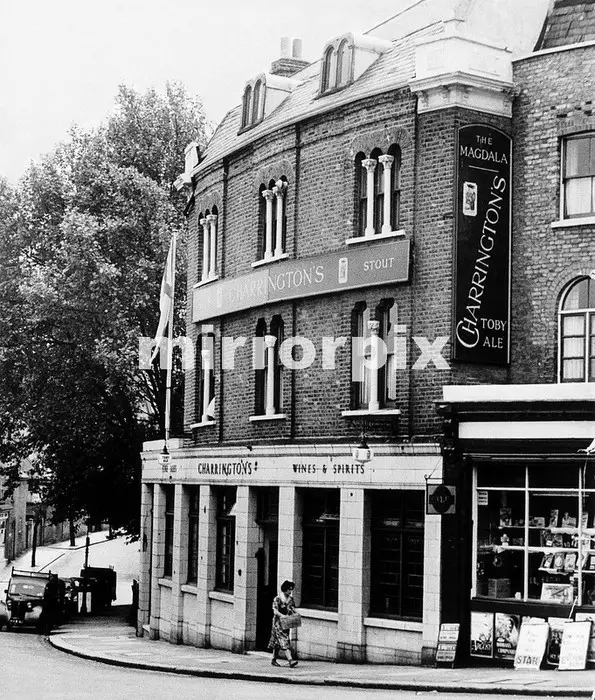
| Crime Scene | Outside The Magdala public house, South Hill Park, Hampstead, London |
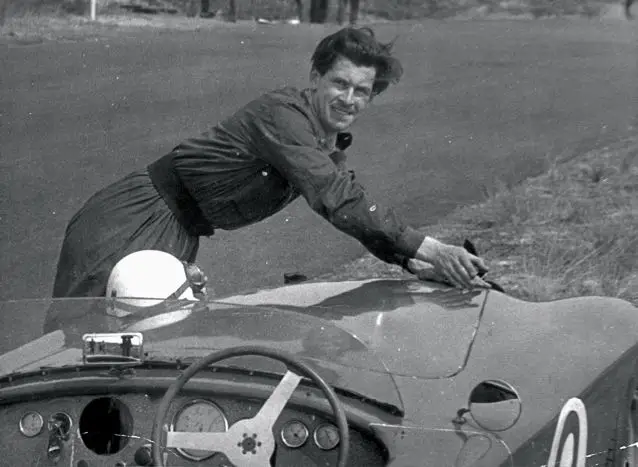
| Fatal Victim | David Blakely (25 years old, professional racing car driver) |
| Murder Weapon | .38 caliber Smith & Wesson revolver |
| Judicial Sentence | Mandatory death sentence by hanging handed down at the Old Bailey |
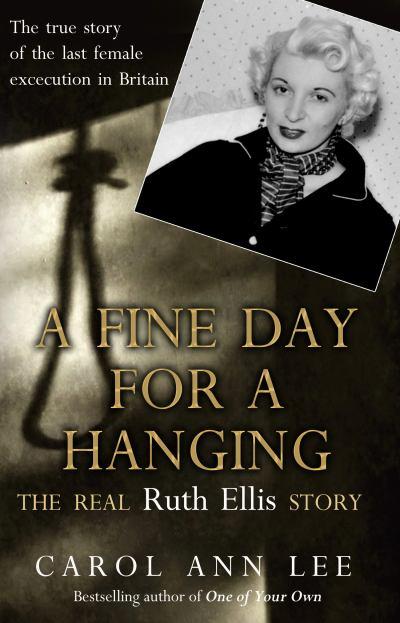
| Historical & Jurisprudential Legacy | Ruth Ellis's execution provoked intense national outrage, directly driving the Homicide Act 1957 (diminished responsibility defense) and the 1965 abolition of capital punishment in the UK |
London Club Life and the Destructive Affair with Blakely
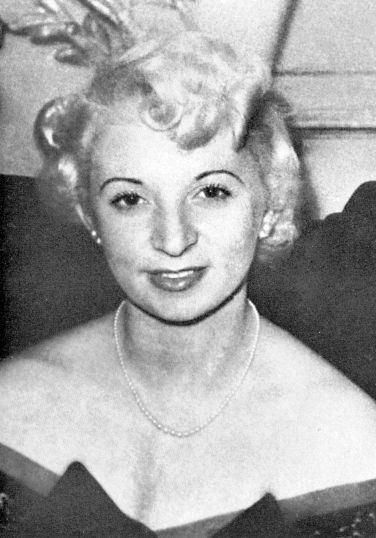
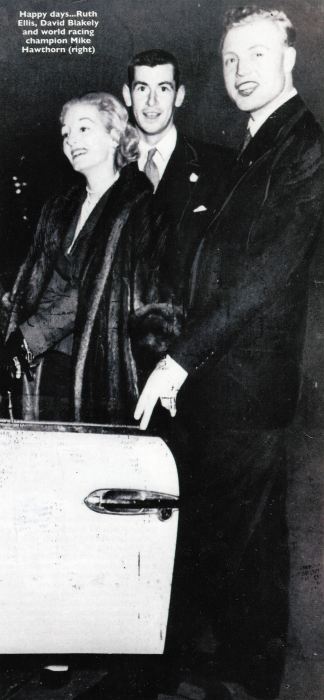
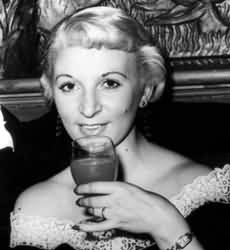
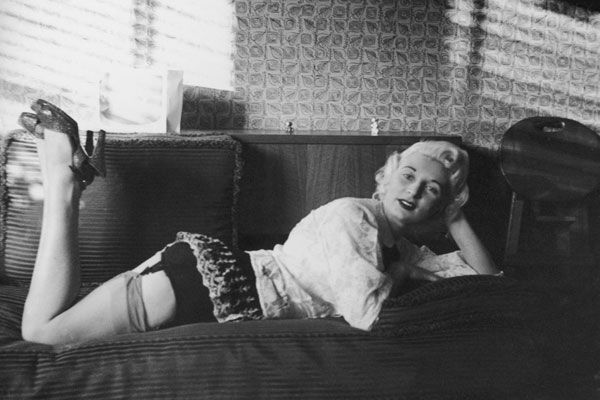
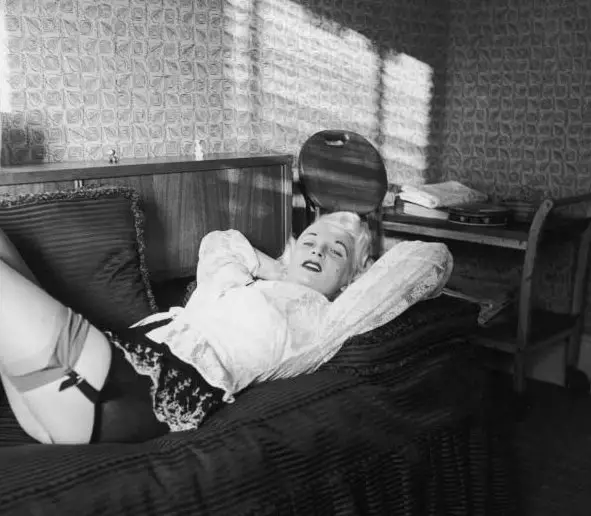
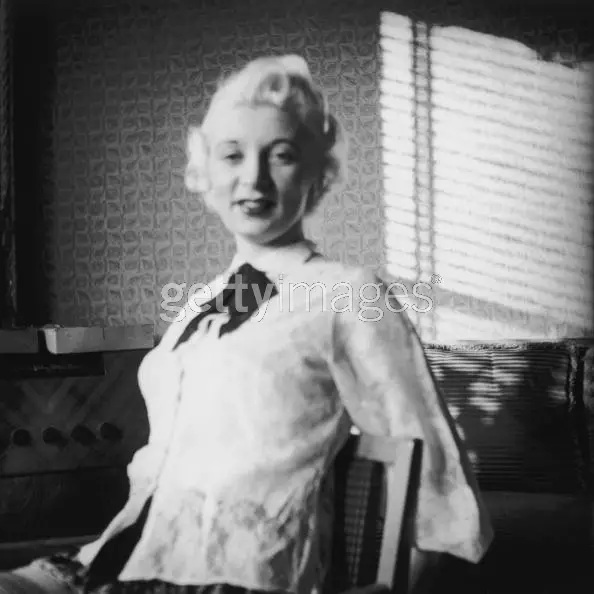
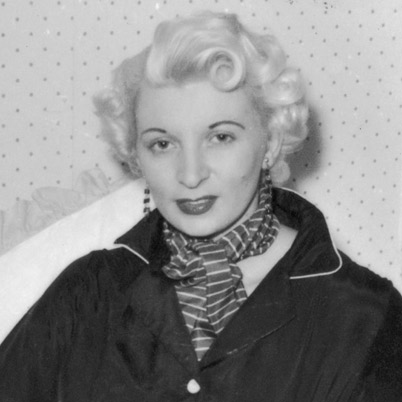
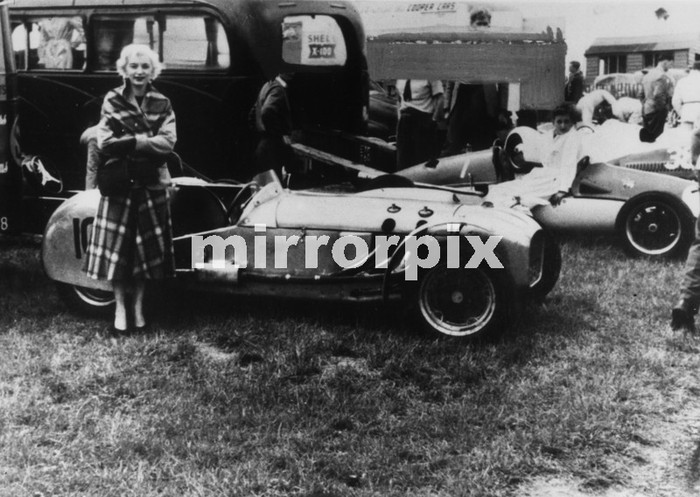
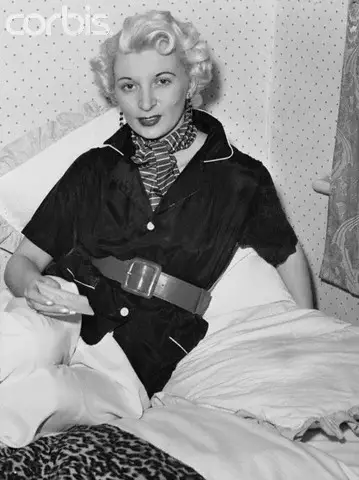
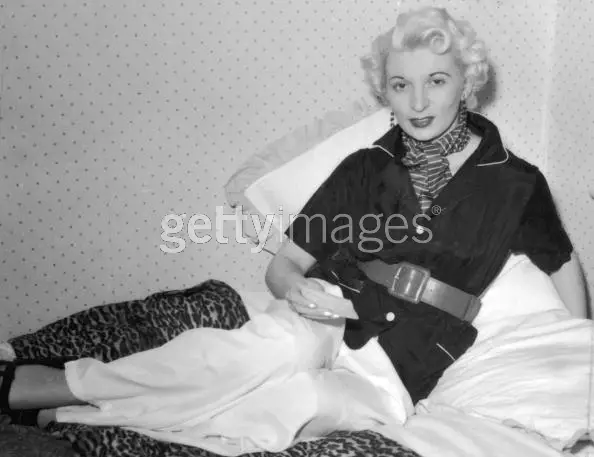
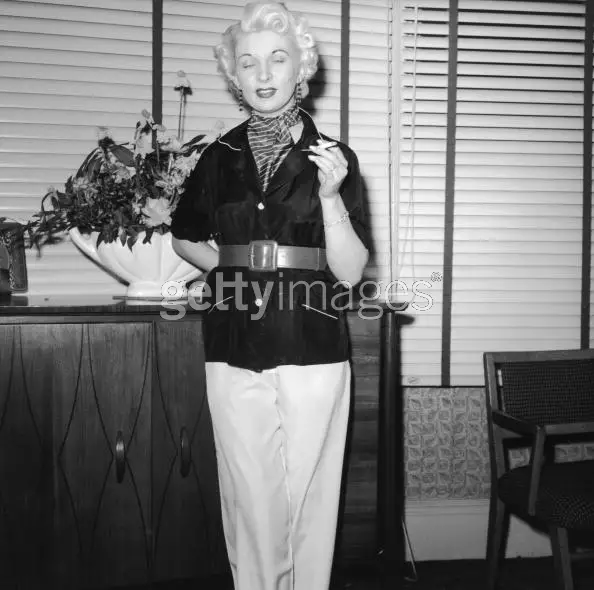
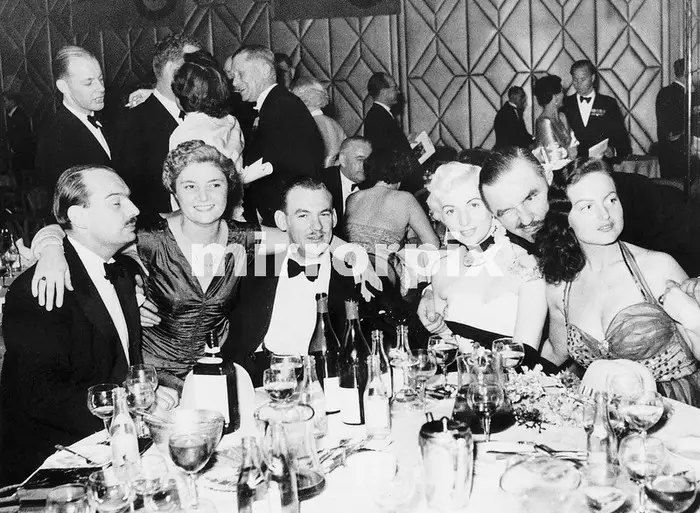
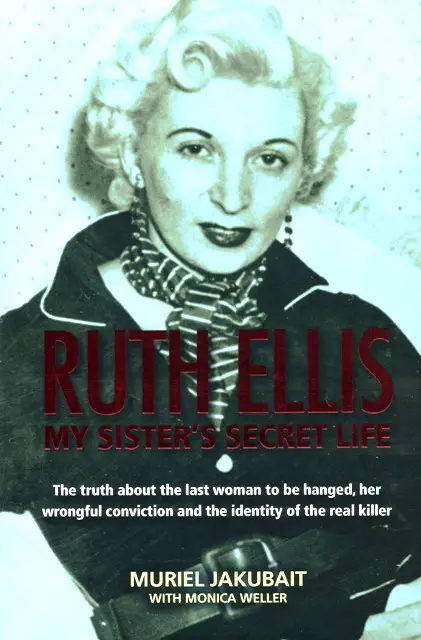
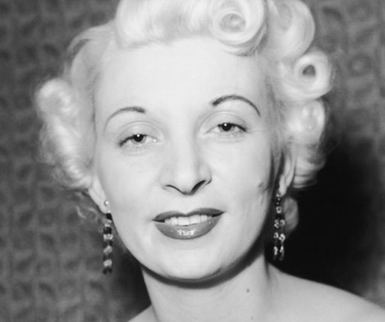
Born in North Wales to a working-class household, Ruth Neilson migrated to London during the Second World War. Sporting platinum-blonde hair styled after Marilyn Monroe, she found employment as a photographic model and nightclub hostess in post-war Soho and Mayfair. By 1953, she became the resident manageress of The Little Club, an exclusive Mayfair drinking venue frequented by motor racing drivers, gamblers, and aristocrats.
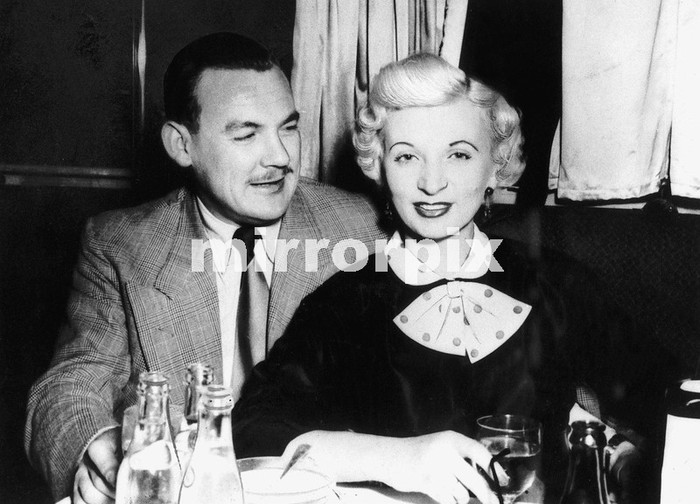
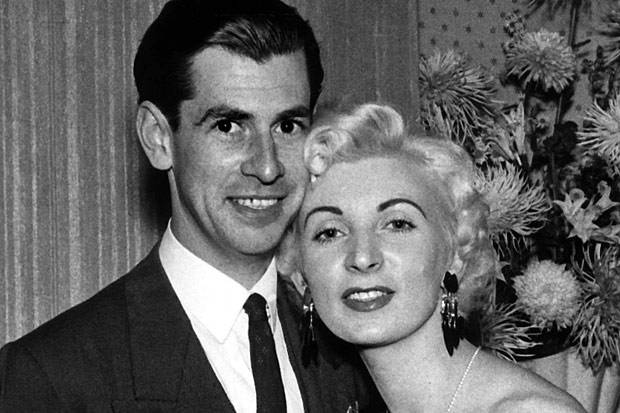
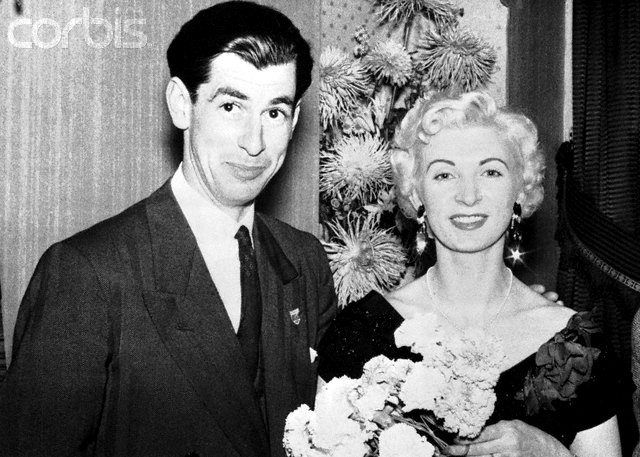
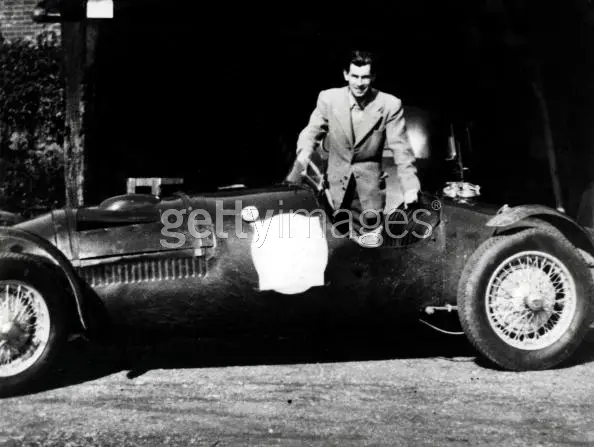
There she encountered David Blakely, a wealthy, charming 25-year-old amateur racing driver with high-society connections. Blakely was engaged to another woman, yet initiated an intense, erratic affair with Ellis. The relationship was plagued by severe alcoholism, mutual jealousy, and escalating domestic violence. Blakely assaulted Ruth repeatedly, on one occasion fracturing her collarbone. Just ten days prior to the shooting, Blakely punched Ruth in the abdomen, inducing a miscarriage of their unborn child.
Easter Sunday at The Magdala Pub
In early April 1955, Blakely vanished, avoiding Ellis's calls and hiding at a friend's flat in Hampstead. Distraught, sleepless, and reeling from physical and emotional trauma, Ellis obtained a loaded .38 Smith & Wesson revolver supplied by a rival admirer, Desmond Cussen.
On Easter Sunday evening, April 10, 1955, Ellis stalked the exterior of The Magdala public house in South Hill Park, Hampstead. When Blakely exited the pub with a friend to fetch cigarettes, Ellis stepped out from the shadows. Seeing her, Blakely bolted toward his vehicle.
Ellis drew the revolver and opened fire. The first round missed; the second struck Blakely in the back. As Blakely collapsed onto the pavement attempting to crawl back toward the pub door, Ellis stood directly over him and discharged the remaining rounds at point-blank range, piercing his aorta, lungs, and heart.
With the empty revolver smoking in her hand, Ellis made no attempt to flee. When an off-duty policeman and a local physician reached her, Ellis calmly surrendered: "I am guilty. I am a little confused... please fetch the police."
The Old Bailey Trial: A Fatal Admission
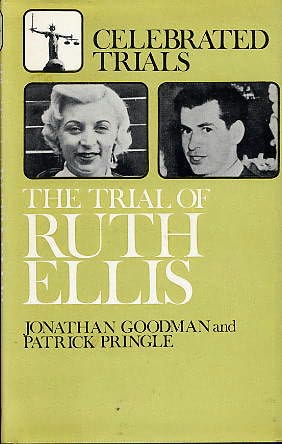
Ellis was tried at the Central Criminal Court (Old Bailey) on June 20, 1955, before Mr. Justice Havers. During cross-examination, prosecutor Christmas Humphreys posed the defining question:
— "Mrs. Ellis, when you fired that revolver at close range into the body of David Blakely, what did you intend to do?"
Ellis gave the candid, uncompromising answer that sealed her legal fate:
— "It was obvious that when I shot him I intended to kill him."
Under 1955 English common law, provocation required immediate loss of control, and English jurisprudence did not yet recognize the defense of diminished responsibility or battered woman syndrome. The jury required only twenty-three minutes to deliver a guilty verdict of capital murder.
The Scaffold at Holloway and Abolition
Despite public petitions bearing over 50,000 signatures and extensive editorial condemnation of executing a traumatized young mother, Home Secretary Gwilym Lloyd George rejected all clemency appeals.
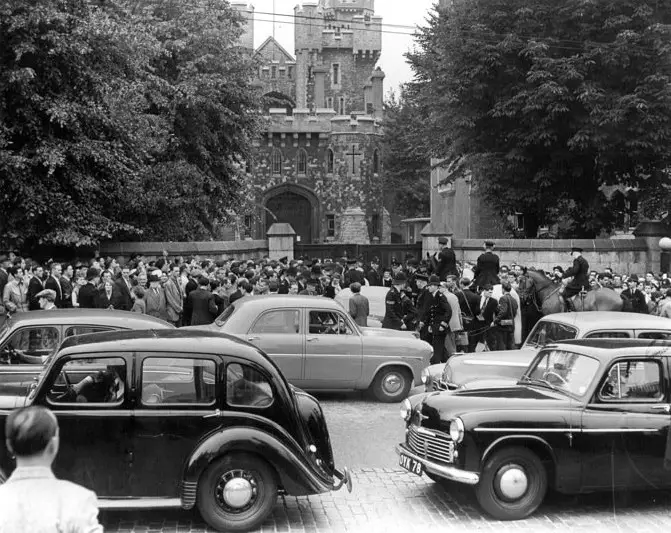
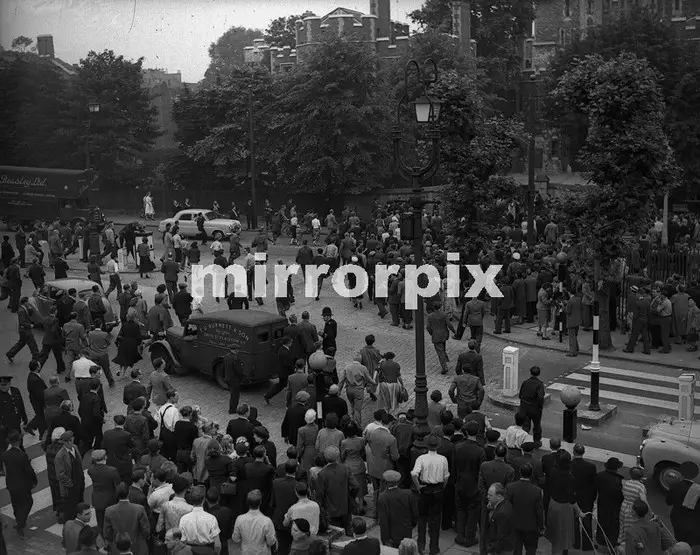
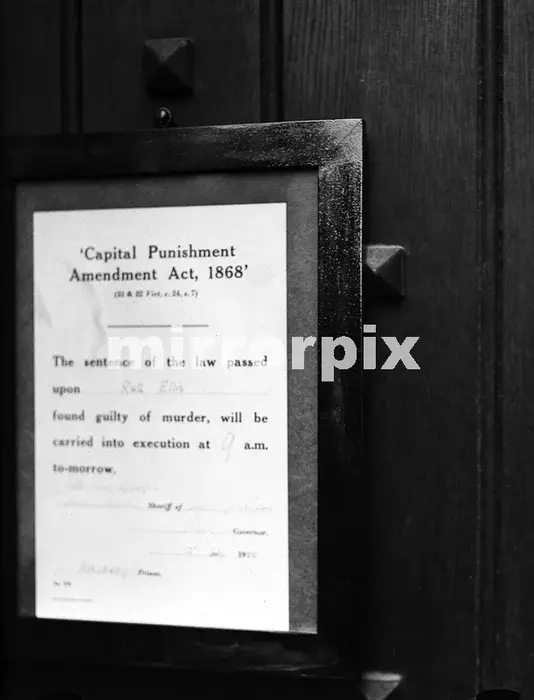
At 9:00 AM on July 13, 1955, Ruth Ellis was hanged at Holloway Prison by Chief Executioner Albert Pierrepoint. She was the last woman executed in the United Kingdom.
Public revulsion over her execution proved to be the turning point in modern British legal history. The public outcry led directly to the Homicide Act of 1957, which established the defense of diminished responsibility in English murder cases, and culminated in the permanent suspension and abolition of capital punishment in Great Britain in 1965.