Forensic & Criminological Matrix
| Parameter | Forensic Detail |
|---|---|
| Forensic Heading / Aliases | Ka-Ki-Si-Kutchin |
| Legal Identity | Ka-Ki-Si-Kutchin |
| Confirmed Victims | 6 |
| Attributed / Indicted Victims | 8 |
| Active Timeline | Winter 1878-1879 |
| Jurisdiction / Area of Operations | Alberta, Canada |
| Criminological Classification | Mass Murderer / Cannibal |
| Forensic Modus Operandi | Homicide via axe and firearm, followed by anthropophagy |
| Weapon / Mechanism of Death | Axe, firearm |
| Motive / Behavioral Dynamics | Windigo psychosis / Famine |
| Judicial Outcome | Executed by hanging |
1. Background and Psychopathy
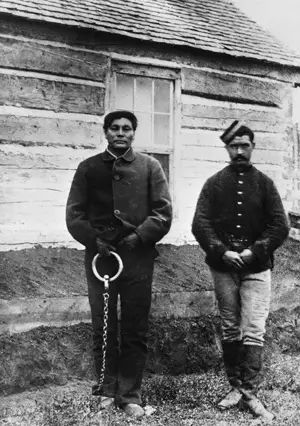
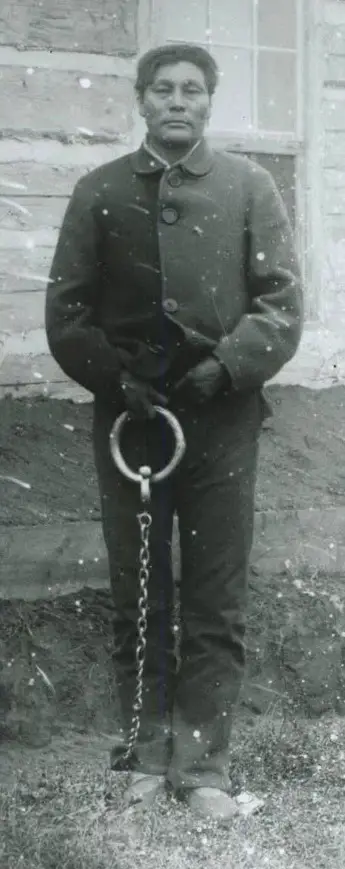
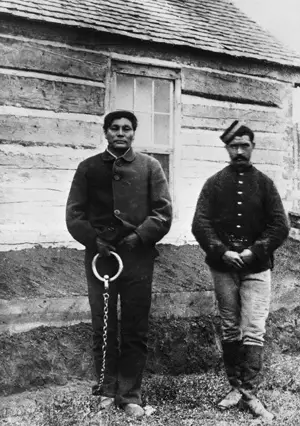
Swift Runner, or Ka-Ki-Si-Kutchin, was a Cree hunter and trapper. Initially respected as a guide for the North West Mounted Police, his life spiraled due to alcohol abuse and isolation. He became a subject of the 'Windigo' myth, a cultural psychosis involving an insatiable craving for human flesh.
2. Crime Spree
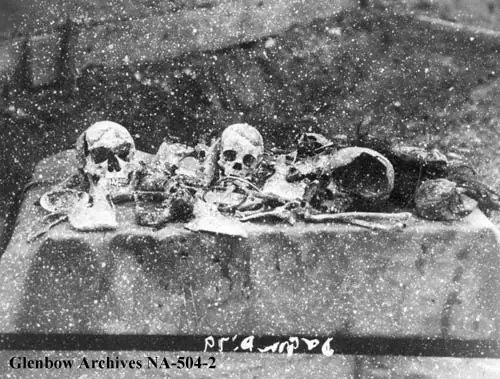
During the harsh winter of 1878-79, Swift Runner slaughtered his entire family, including his wife, five children, his brother, and his mother-in-law. He consumed their remains, leaving behind a scene of scattered bones and skulls, which were later recovered by police investigators.
3. Investigation and Arrest
Police suspicion was aroused when Swift Runner returned from the wilderness alone. Inspector Sévère Gagnon led an investigation to the camp, where the discovery of human remains and the suspect's own confession led to his arrest on May 27, 1879.
4. Legal Proceedings and Outcome
Swift Runner was tried in August 1879. He offered no defense, admitting his guilt. He was sentenced to death and hanged on December 20, 1879, at Fort Saskatchewan, marking the first formal execution in Western Canada.