Forensic & Criminological Matrix
| Parameter | Forensic Detail |
|---|---|
| Forensic Heading / Aliases | Maketu Wharetotara, Waretotara |
| Legal Identity | Wiremu Kingi Maketu |
| Confirmed Victims | 5 |
| Attributed / Indicted Victims | 5 |
| Active Timeline | November 20, 1841 |
| Jurisdiction / Area of Operations | Motu Apohia, Bay of Islands, New Zealand |
| Criminological Classification | Mass murderer |
| Forensic Modus Operandi | Blunt force trauma via adze and arson |
| Weapon / Mechanism of Death | Adze |
| Motive / Behavioral Dynamics | Interpersonal conflict and retaliation |
| Judicial Outcome | Executed by hanging |
1. Background and Profile
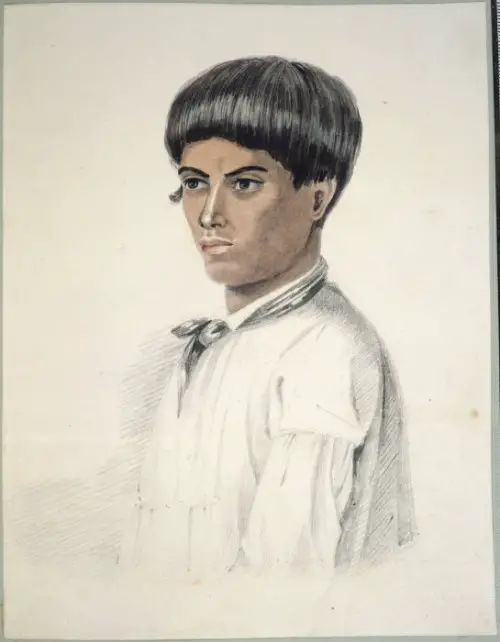
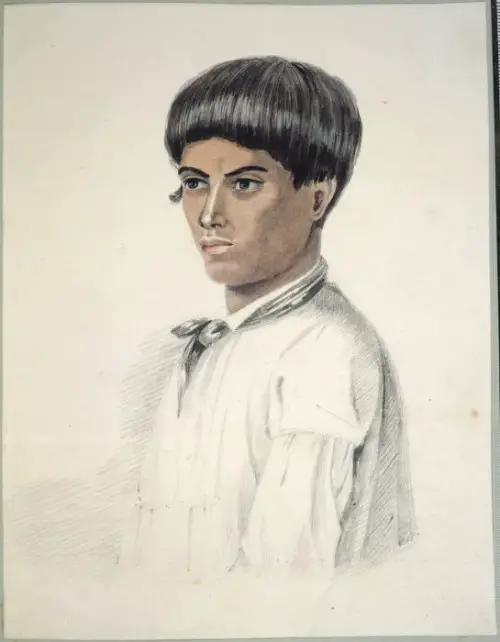
Wiremu Kingi Maketu (c. 1824–1842) was the son of Ruhe, a chief of the Ngāpuhi tribe. His trial and subsequent execution marked a significant legal precedent in New Zealand, establishing the reach of British colonial law over the Māori population.
2. Crime Spree
On November 20, 1841, Maketu committed a series of brutal murders on Motu Apohia. He killed Thomas Bull with an adze, citing mistreatment, and subsequently murdered his employer, Elizabeth Robertson, her two children, and Isabella Brind. He then set fire to the Robertson residence.
3. Investigation and Arrest
The surrender of Maketu was a highly sensitive political event. Following initial resistance from the Ngāpuhi, tribal leaders eventually agreed to hand him over to colonial authorities, a decision that caused significant internal friction and contributed to the rise of anti-colonial sentiment led by figures like Hone Heke.
4. Legal Proceedings and Outcome
Maketu was tried in the Supreme Court of Auckland in March 1842. Despite defense arguments regarding his lack of understanding of British penal law, Chief Justice William Martin ruled that the court held jurisdiction. Maketu was convicted and sentenced to death.
5. Final Statement and Execution
Maketu was executed by hanging on March 7, 1842, in Auckland. Prior to his death, he requested baptism and expressed remorse, stating that his execution was a just consequence of his actions.