



Forensic & Criminological Matrix
| Parameter | Forensic Detail |
|---|---|
| Forensic Heading / Aliases | Mary Runkle |
| Legal Identity | Mary Runkle |
| Confirmed Victims | 1 (John Runkle) |
| Active Timeline | August 1847 |
| Jurisdiction / Area of Operations | Oneida and various locations in New York State, USA |
| Criminological Classification | Intrafamilial homicide perpetrator / Itinerant offender |
| Forensic Modus Operandi | Manual strangulation of a physically weakened spouse, staging the scene to resemble medical seizures or accidental falls, assisted by a minor child and concealing physical evidence |
| Weapon / Mechanism of Death | Manual strangulation (thumb and finger pressure applied to the larynx) |
| Motive / Behavioral Dynamics | Chronic marital discord and concealment of prior criminal background and thefts |
| Judicial Outcome | Convicted of first-degree murder; sentenced to death and executed via a novel counterweight hanging system in Whitesboro on November 9, 1847 |
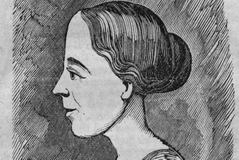
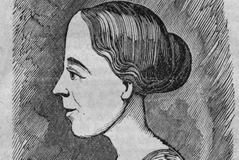
1. Background and Profile
Mary Runkle was born around 1797 in Root, Montgomery County, New York. She married John Runkle in her hometown, embarking on a turbulent marital relationship marked by chronic friction and an itinerant, antisocial lifestyle. Over the years, the family relocated multiple times across various New York counties (Root, Manheim, Floyd, Westmoreland, Oneida) to evade criminal suspicion, civil litigation, and arrest warrants for petty offenses, including forgery, larceny, theft of laundry, perjury, and the suspicious disappearance of an itinerant peddler alongside the unexplained deaths of several of their children.
2. Crime Spree and Modus Operandi
Mary Runkle's criminal trajectory culminated in August 1847 in Oneida, New York. Her husband, John Runkle, was in declining health and physically frail. In the early hours of August 19, Mary, aided by her 12-year-old daughter Elizabeth, violently assaulted the victim. After fracturing his teeth and severely bruising his face, she strangled him by exerting direct manual pressure on his throat. To cover up the homicide, the perpetrators cleaned bloodstains, hid blood-soiled garments in the attic, and dispatched the young girl to summon neighbors under the false pretense that John had died from epileptic fits and accidental falls.
3. Investigation and Forensics
Neighbors Kirtland and Morgan responded to the summons and found John Runkle deceased on a bed, laid out with folded hands but bearing extensive trauma to his face, mouth, and neck. Mary’s explanation of fatal seizure-related injuries was quickly dismantled by the coroner's examination. Autopsy findings ruled out natural causes and confirmed clear marks of manual strangulation. A thorough search of the premises uncovered a bundle of moist, blood-stained clothes and human hair in the attic, as well as traces of blood washed from the bedroom floor.
4. Legal Proceedings and Trial
Mary Runkle and her daughter Elizabeth were arrested immediately. The trial commenced before the Oneida Court of Oyer and Terminer on September 16, 1847. The prosecution presented coroner conclusions and the family's extensive criminal history, while the defendant maintained her innocence. On September 21, following less than three hours of deliberation, the jury returned a verdict finding Mary Runkle guilty of first-degree murder, a capital offense.
5. Psychiatric Assessment and Outcome
Prior to her execution, Mary Runkle published an eight-page pamphlet titled Life and Confession of Mary Runkle, attempting to generate public sympathy by blaming her husband for coercing her into petty crimes while denying responsibility for his murder and her children's deaths. Despite defense petitions for clemency, the governor denied commutation. On November 9, 1847, Mary Runkle was executed at the Whitesboro Jail utilizing a novel mid-19th-century New York hanging method where a dropped counterweight violently yanked the prisoner upward rather than dropping them through a trapdoor.