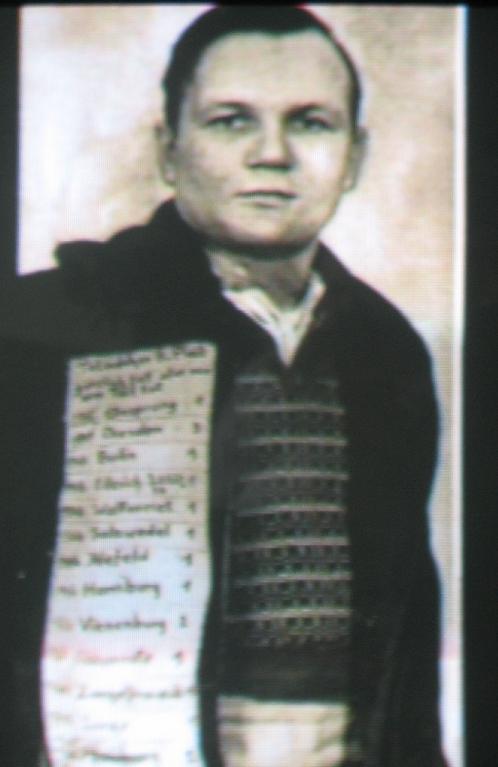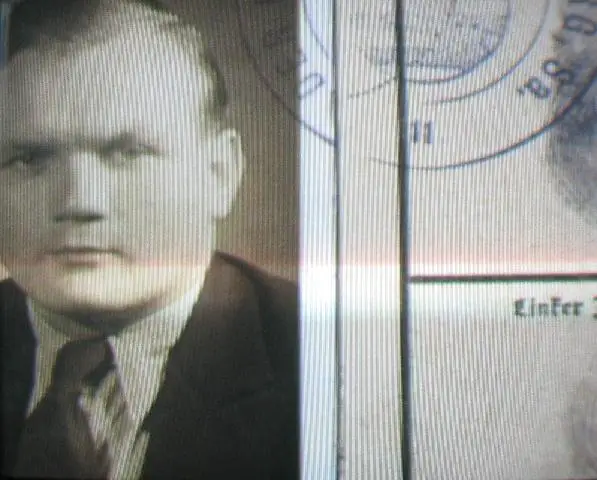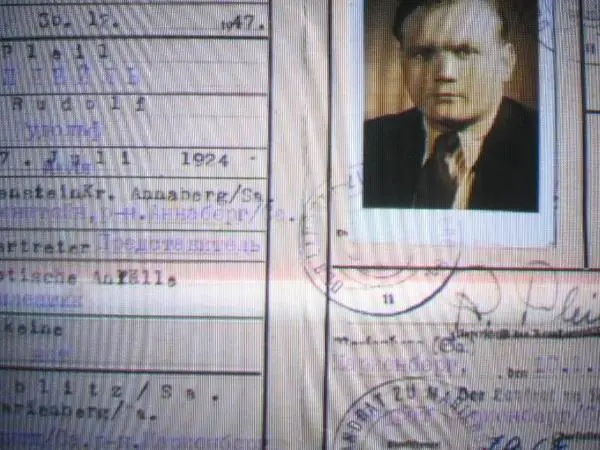




Forensic & Criminological Matrix
| Parameter | Forensic Detail |
|---|---|
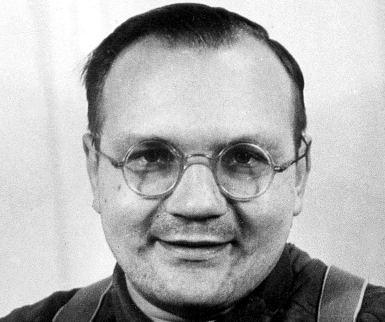
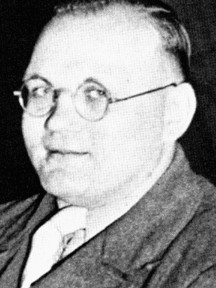
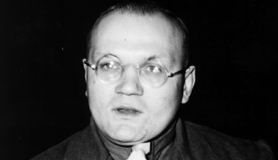
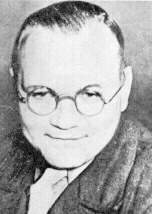
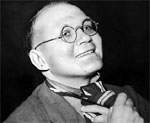
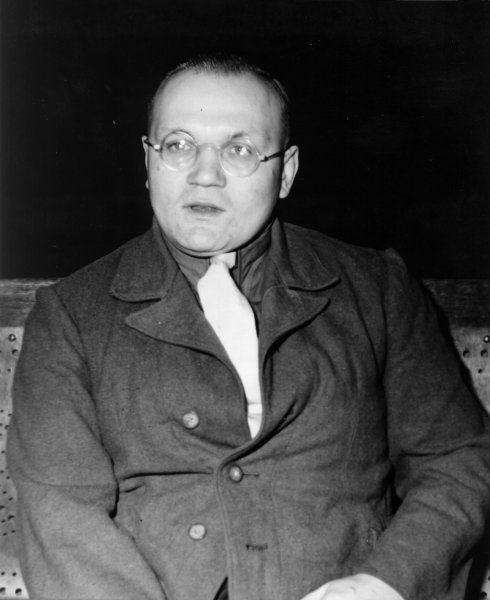
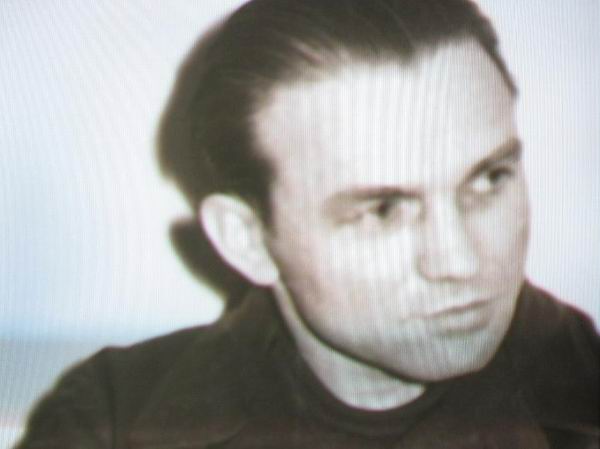
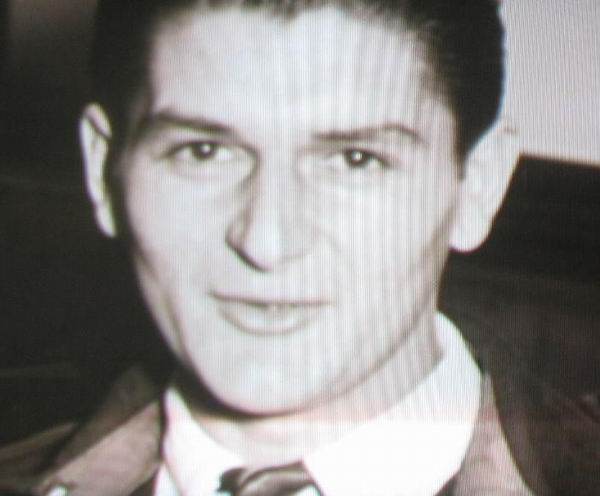
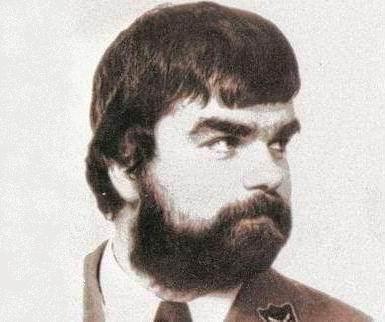
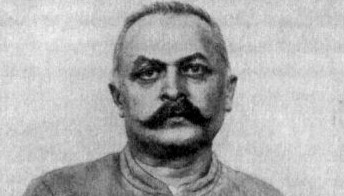
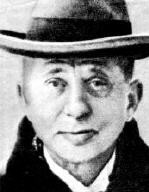
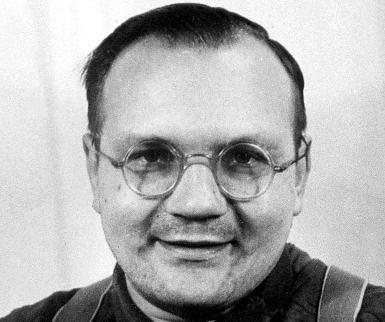
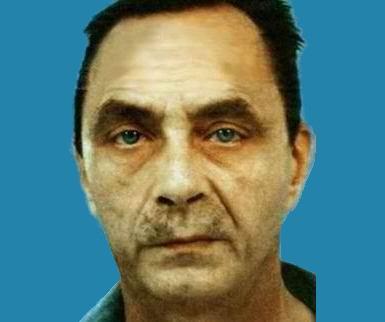
| Full Legal Name | Rudolf Pleil |
| Registered Monikers | The Death-Maker (Der Totmacher), The Harz Mountains Monster |
| Nationality | German |
| Date and Place of Birth | July 7, 1924, Bärenstein, Saxony, Weimar Republic |
| Date and Place of Death | February 18, 1958, Ziegenhain Penitentiary, Hesse, West Germany (aged 33) |
| Cause of Death | Suicide by hanging in his prison cell |
| Criminal Classification | Serial killer / Necrophile / Border predator / Sadistic robber |
| Active Murder Spree | 1946 – 1947 (immediate post-WWII German occupation era) |
| Primary Crime Scenes | Harz Mountains, Zorge border crossing, and disused mine shafts |
| Confirmed Victims | 10 murder convictions (confessed to at least 25 homicides) |
| Accomplices | Karl Hoffmann and Bernhard Schnabel (assisted in select robberies and assaults) |
| Weapons & Modus Operandi | Meat cleavers, geologists' hammers, iron bars, and heavy stones; bludgeoning from behind, perimortem sexual assault, looting, and concealment in abandoned mining shafts |
| Judicial Sentence | Life imprisonment with indefinite preventive detention (Braunschweig District Court, 1950) |
Postwar Turmoil and the Deadly Harz Border
Following the total unconditional surrender of Nazi Germany in May 1945, the country was carved into Allied and Soviet zones of occupation. Millions of dislocated refugees, expelled civilians, and demobilized troops sought clandestine passage across the emerging Iron Curtain border in search of lost relatives or survival. Amidst this severe institutional collapse, Rudolf Pleil found an ideal predatory environment.
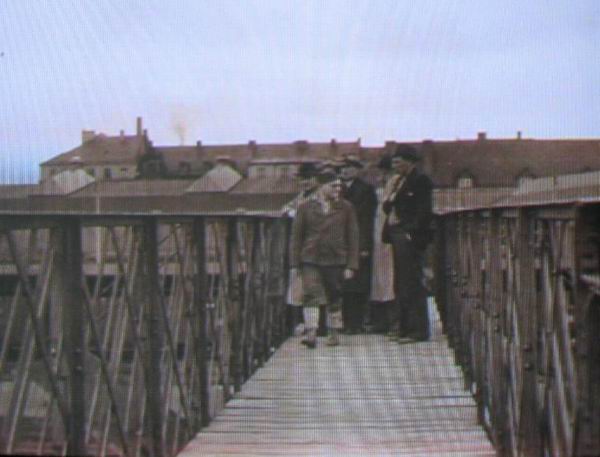
Pleil, a young Saxon laborer with prior convictions for petty theft and black-market dealings, established himself in the border village of Zorge along the southern slopes of the Harz Mountains. Masquerading as an experienced clandestine border scout (Grenzgänger), Pleil offered to guide vulnerable refugees across the Soviet demarcation line into the Western zones for cash and valuables.
Hatchet, Hammer, and Necrophilic Murders
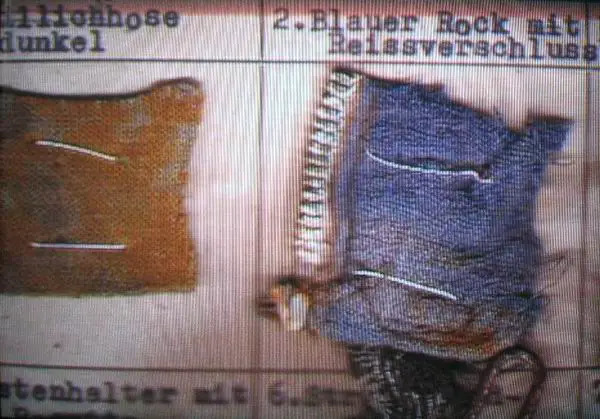
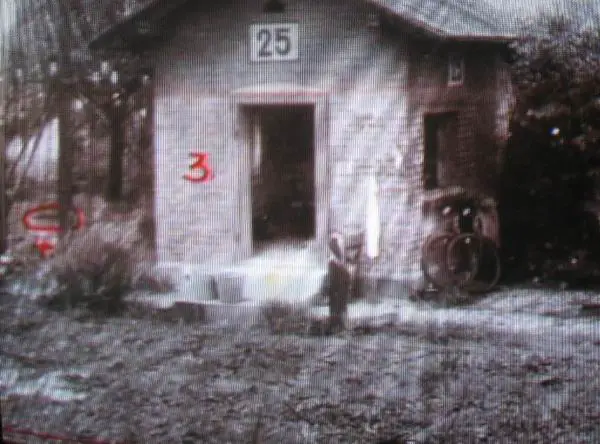
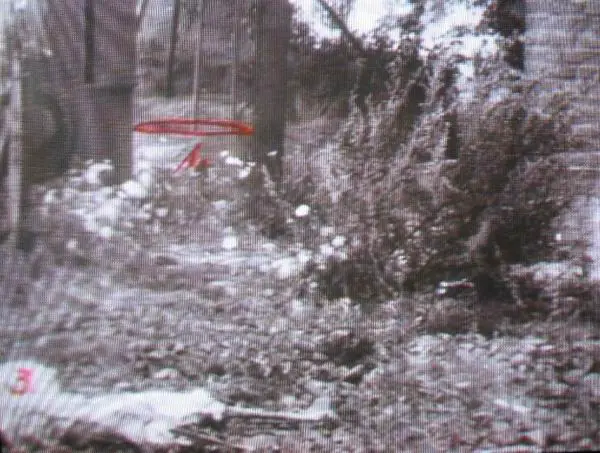
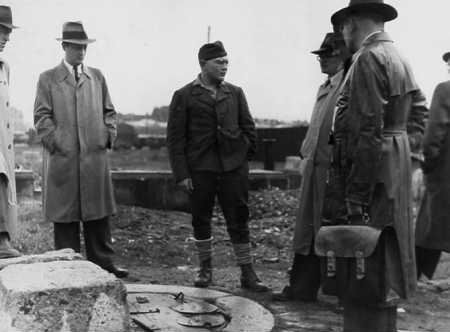
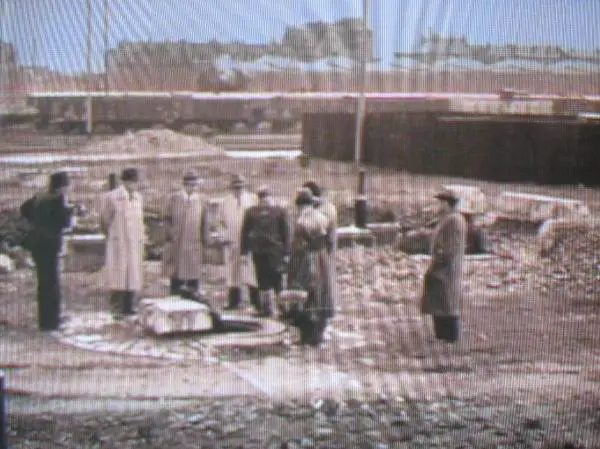
Pleil targeted unescorted women and young mothers carrying their belongings. Leading them into dense, remote Harz pine forests, Pleil struck them down from behind using an axe or heavy hammer. He then subjected the comatose or dying victims to sadistic sexual assault, stripped their corpses of coats, boots, and jewelry, and tossed their bodies into flooded, abandoned mine shafts or rock fissures.
In several instances, he operated with two criminal associates, Karl Hoffmann and Bernhard Schnabel. In one notorious case near Vienenburg, the gang bludgeoned a female traveler and threw her still breathing into a subterranean mining pit.
Megalomania, Confessions, and The "Totmacher" Manuscript
Pleil was initially arrested in April 1947 for the bludgeoning murder of an itinerant merchant during an argument, receiving a 12-year prison sentence. However, Pleil's psychopathic vanity could not endure being viewed as an ordinary convict. Enraged by newspaper articles highlighting rival serial killers, Pleil wrote letters to judicial authorities across West Germany declaring: "I am Germany's greatest death-maker! I have killed twenty-five people while your police chase amateurs!"
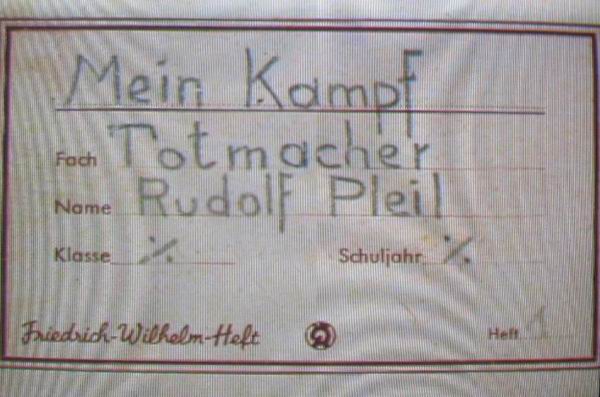
While in custody, Pleil penned an autobiographical treatise titled Mein Kampf gegen die Menschheit ("My Struggle Against Humanity"), illustrating each homicide with meticulous anatomical descriptions and sketch maps. His disclosures led forensic teams to unearth ten female corpses across the Harz Mountains.
Trial and Suicide in Ziegenhain
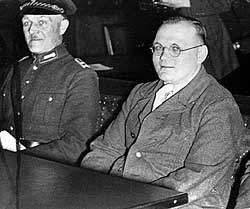
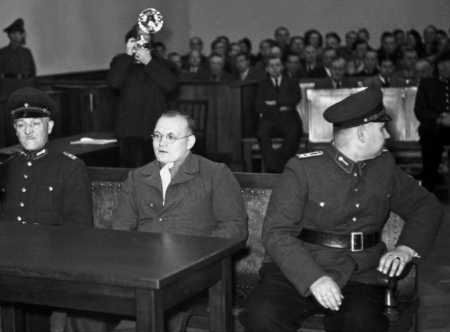
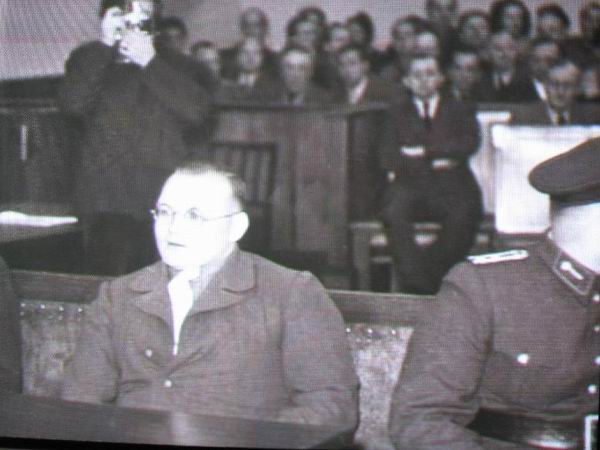
In November 1950, the Braunschweig District Court tried Pleil and his accomplices. Psychiatric evaluations categorized Pleil as a severely dangerous sadistic psychopath and necrophile who fully understood the criminality of his deeds. Because the newly adopted West German Basic Law had abolished capital punishment in 1949, Pleil received life imprisonment alongside permanent preventive detention.
Transferred to Ziegenhain Penitentiary in Hesse, Pleil remained under high-security observation. On February 18, 1958, at the age of 33, Pleil hanged himself from his cell window bars using strips torn from bed linen.