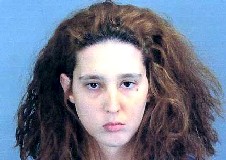




Forensic & Criminological Matrix
| Parameter | Forensic Detail |
|---|---|
| Forensic Heading / Aliases | The Black Widow of Las Vegas |
| Legal Identity | Margaret Frost (Margaret Rudin) |
| Confirmed Victims | 1 (Ronald Rudin) |
| Active Timeline | December 1994 |
| Jurisdiction / Area of Operations | Las Vegas, Nevada, United States |
| Criminological Classification | Spousal homicide / Financial-motivated murder |
| Forensic Modus Operandi | Use of a silenced handgun, tampering with estate documents, and crime scene alteration. |
| Weapon / Mechanism of Death | Silenced firearm |
| Motive / Behavioral Dynamics | Financial gain, asset control, and inheritance disputes |
| Judicial Outcome | Convicted of murder with a deadly weapon in 2001; later released on parole after extensive appeals. |
1. Background and Psychopathy
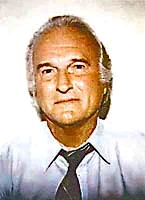
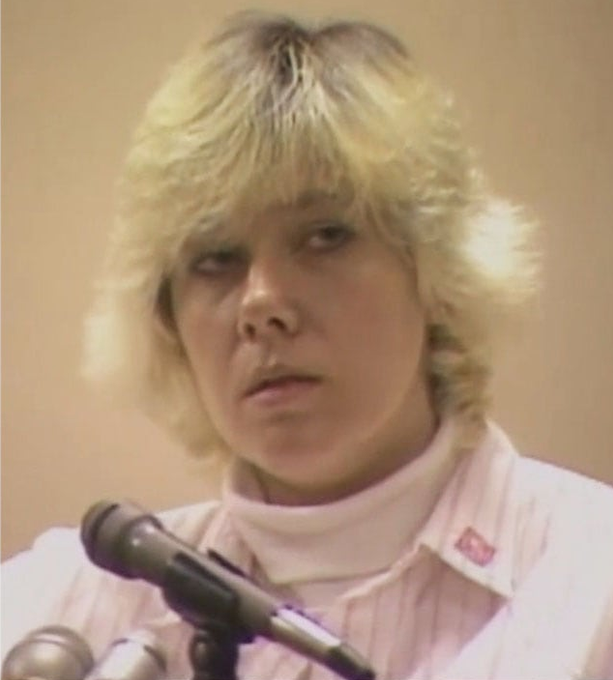
Margaret Rudin was born in Memphis, Tennessee, in 1943, one of three daughters of a local barber. Her early life was characterized by frequent relocation; her family lived in fifteen states before she completed high school. Prior to meeting affluent real estate magnate Ronald Rudin at a Las Vegas church in September 1987, she had been married and divorced four times. Her behavioral background reflected instability, financial opportunism, and involvement in high-stress interpersonal relationships.
2. Crime Spree and Modus Operandi
Ronald Rudin disappeared on Monday, December 19, 1994. Forensic investigations established that he was executed with a handgun equipped with a silencer—a weapon he had previously reported missing and suspected his wife of taking. Following the homicide, Margaret Rudin engaged in cover-up measures, hiring day laborers to clean suspicious carpet stains, retrieving and examining the victim's will and trust documents immediately after his disappearance, and attempting to shift police focus toward external business rivals and associates.
3. Investigation and Forensic Pursuit
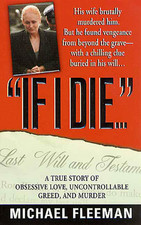
The investigation intensified after employees reported Ronald missing. Police discovered his vehicle locked and abandoned in an alley behind a local venue, featuring latent fingerprints and soil tracking. Investigators uncovered directives left by Ronald in his will ordering an aggressive investigation into his death if it proved violent, as he had expressed deep fear that his wife might attempt to harm him. Witness testimonies from family members cemented the timeline of suspicious behaviors following the disappearance.
4. Legal Proceedings and Outcome
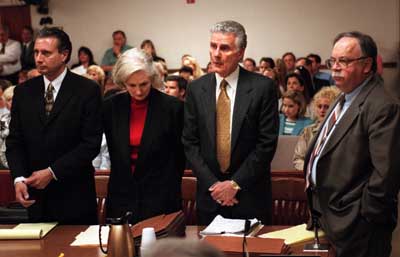
Rudin's 2001 trial became a high-profile legal battle marked by defense complications, particularly regarding lead counsel Michael Amador's controversial and criticized performance. This formed the basis of numerous appeals asserting ineffective assistance of counsel. Despite filing multiple habeas corpus petitions in federal courts over the years, the original conviction stood through various appellate reviews until she eventually secured release.
5. Psychiatric Evaluation and Final Disposition
Criminologically, Rudin exemplifies the calculated spousal murderer driven by financial motives and asset preservation within an abusive or high-conflict domestic dynamic. Her prolonged legal battles and ultimate transition through the Nevada correctional system underscore the complex intersection of white-collar dynamics and violent crime in high-net-worth domestic settings.