

Forensic & Criminological Matrix
| Parameter | Forensic Detail |
|---|---|
| Forensic Heading / Aliases | null |
| Legal Identity | Jin Ruchao |
| Confirmed Victims | 108 |
| Attributed / Indicted Victims | 109 |
| Active Timeline | March 2001 |
| Jurisdiction / Area of Operations | Shijiazhuang, Hebei, China |
| Criminological Classification | Mass murderer |
| Forensic Modus Operandi | Coordinated bombing of residential buildings |
| Weapon / Mechanism of Death | Dynamite and ammonium nitrate |
| Motive / Behavioral Dynamics | Personal revenge and family disputes |
| Judicial Outcome | Death penalty (Executed) |
1. Background and Profile
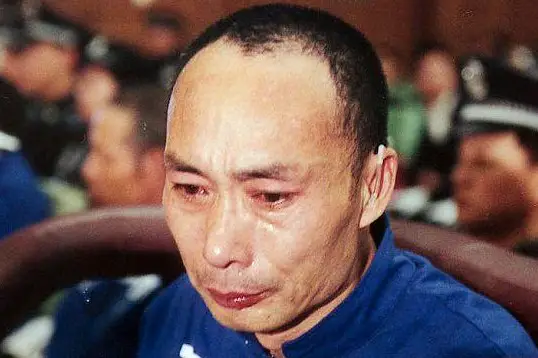
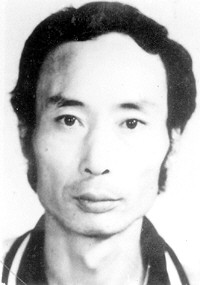
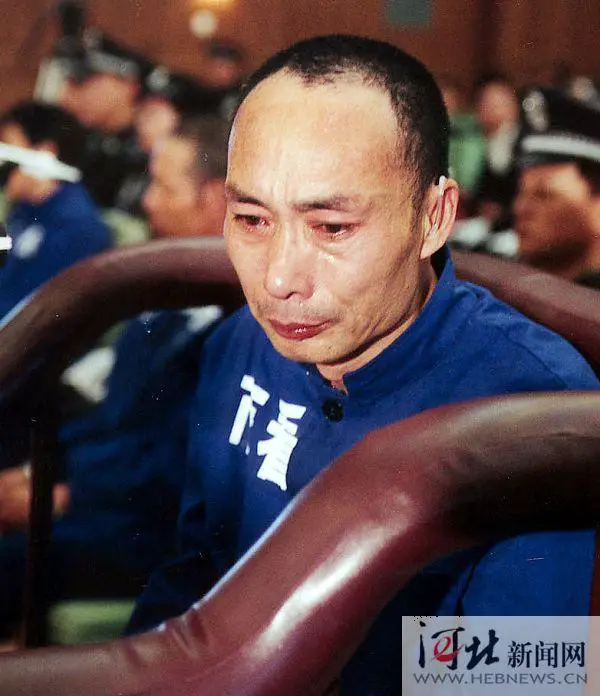
Jin Ruchao (1960–2002) was a Chinese national with a prior criminal record, including a 10-year prison sentence for rape in 1988. Described as partially deaf and harboring deep-seated resentment, he maintained long-standing conflicts with his extended family, his ex-wife, and neighbors. His psychological profile was characterized by an obsession with explosives, having collected technical literature on their manufacture since the late 1980s.
2. Crime Spree
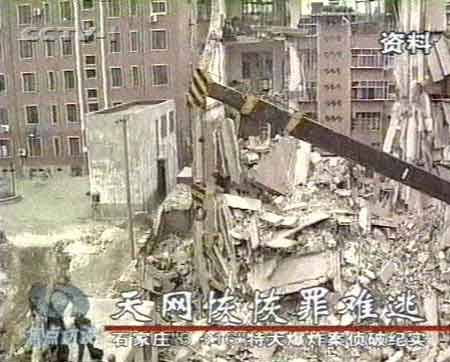
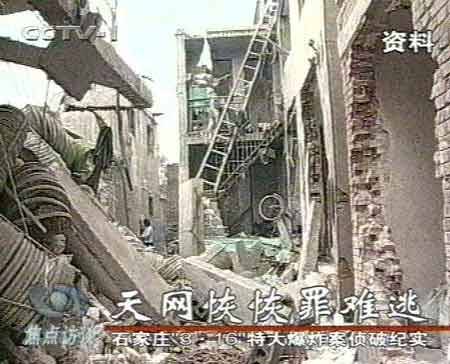
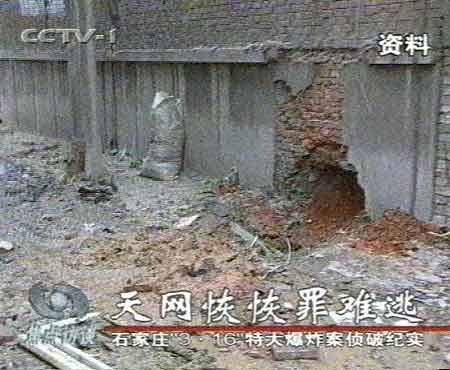
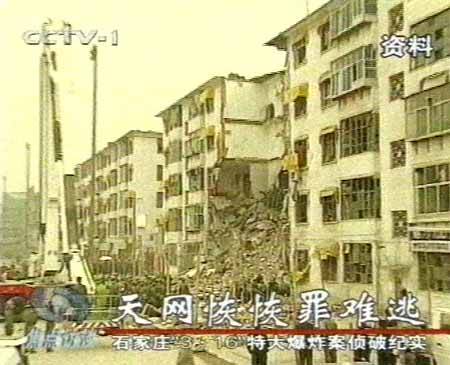
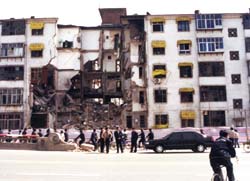
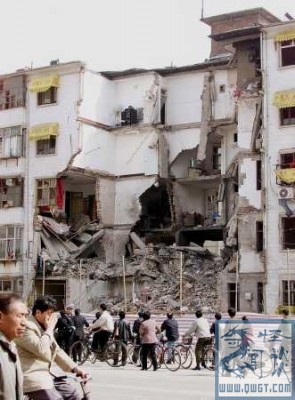
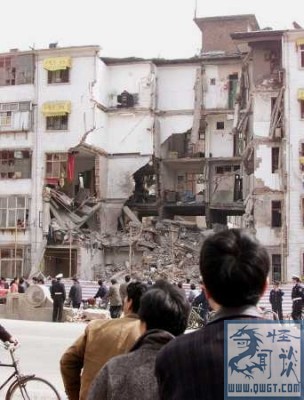
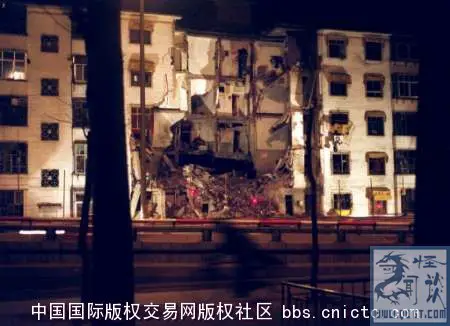
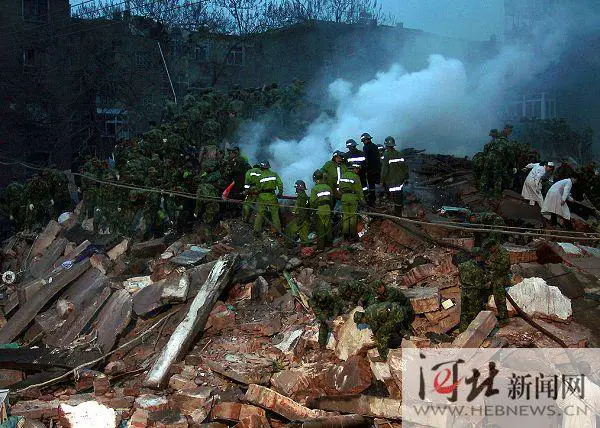
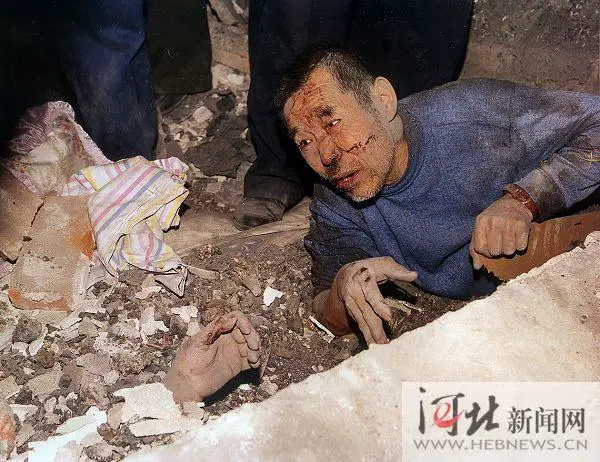
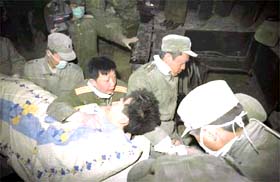
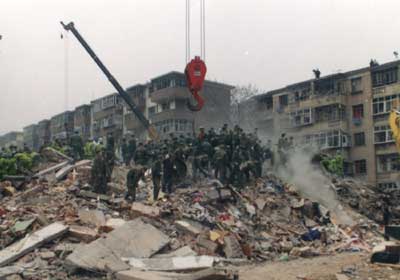
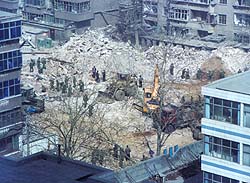
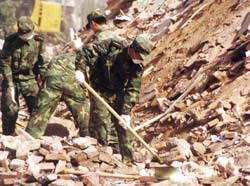
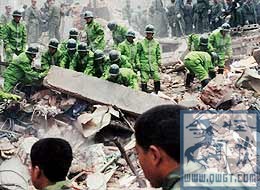
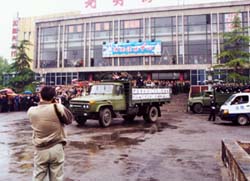
On March 16, 2001, Jin Ruchao carried out a series of coordinated explosions in four residential buildings in Shijiazhuang. He utilized approximately 570 kg of dynamite, transported via tricycles under the guise of chicken feed. The blasts, occurring within an hour, destroyed buildings linked to his personal grievances, including the residence of his ex-wife and stepmother. The official death toll reached 108, with 38 others injured.
3. Investigation and Arrest
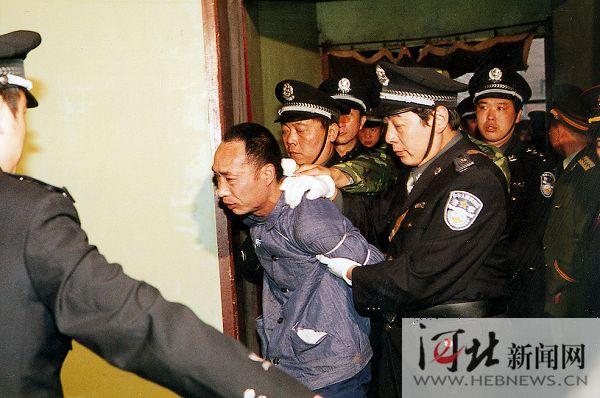
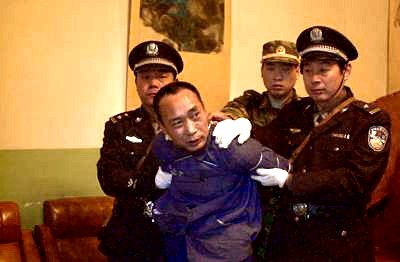
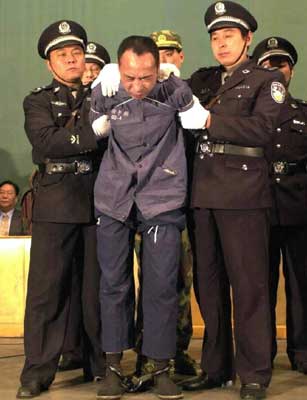
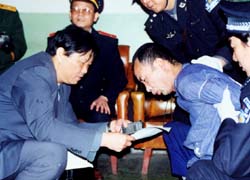
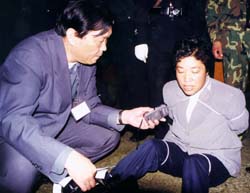
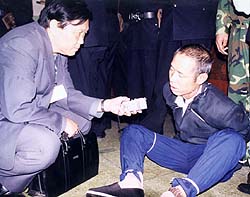
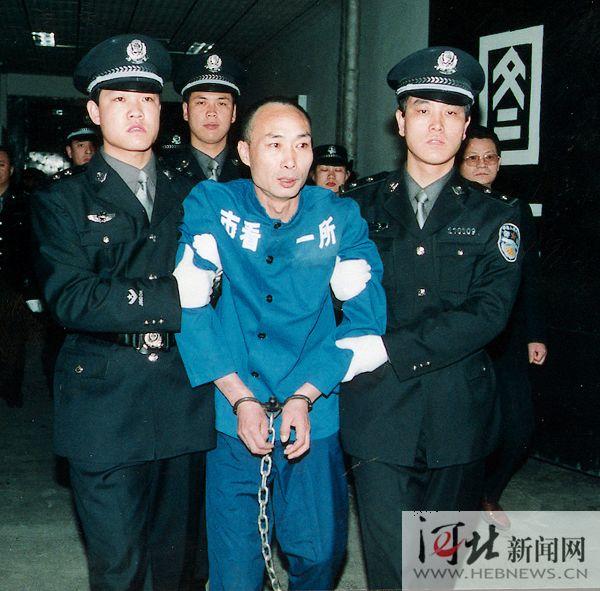
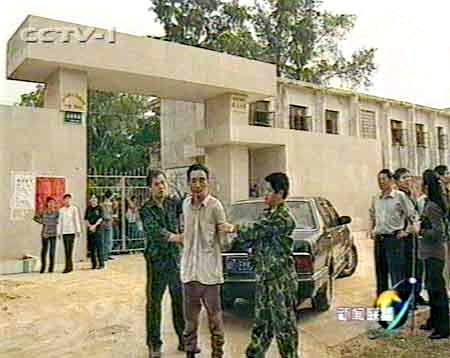
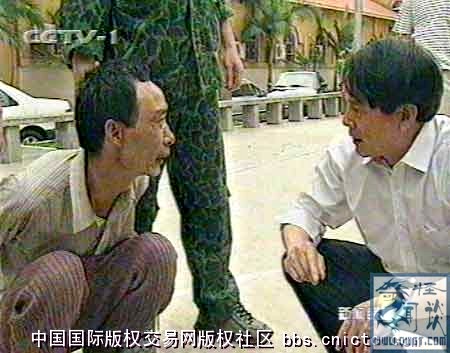
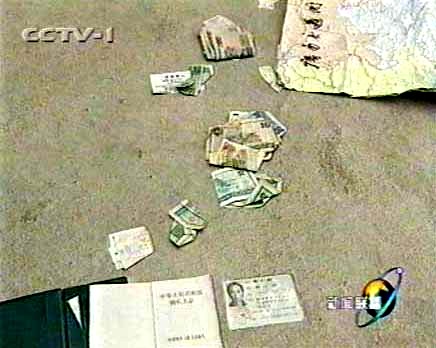
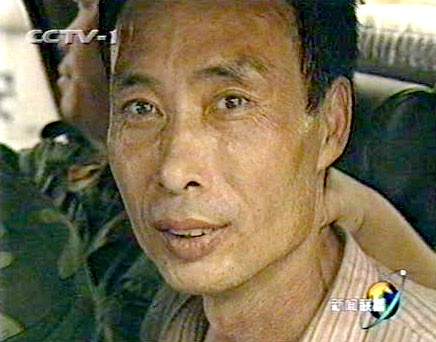
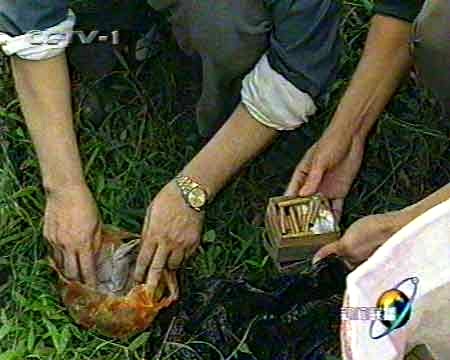
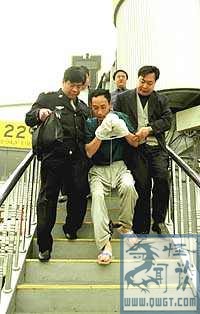
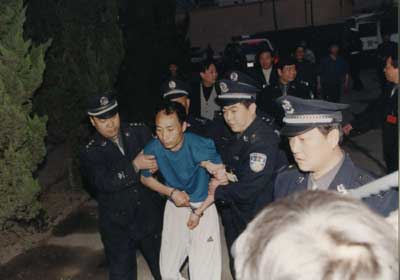
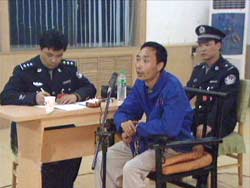
Following the bombings, Chinese authorities launched the largest manhunt in 18 years. Forensic investigation linked Jin to the purchase of explosives from local suppliers, Wang Yushun and Hao Fengqin. Jin was apprehended on March 23, 2001, in Beihai, Guangxi province, after fleeing the scene. During his arrest, he was also linked to the murder of his mistress, Wei Zhihua, in Yunnan, which occurred days prior to the bombings.
4. Legal Proceedings and Outcome
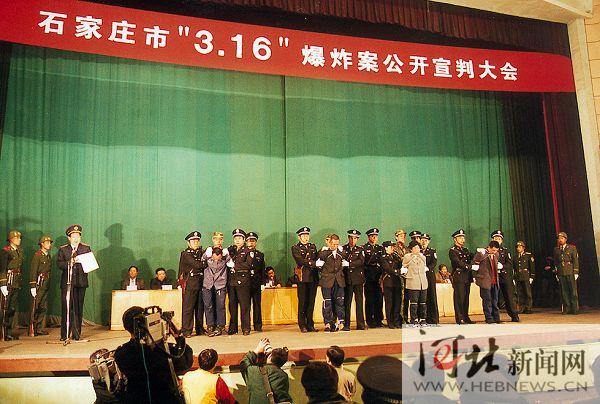
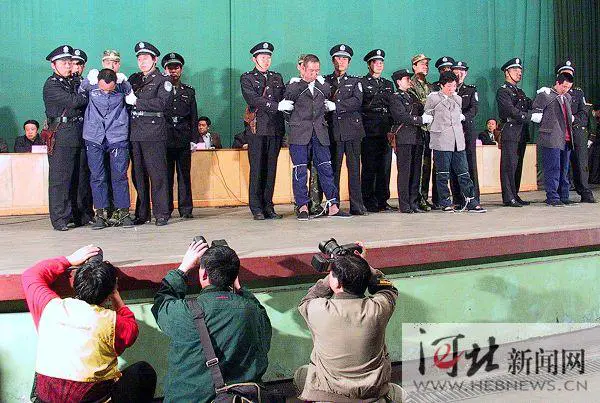
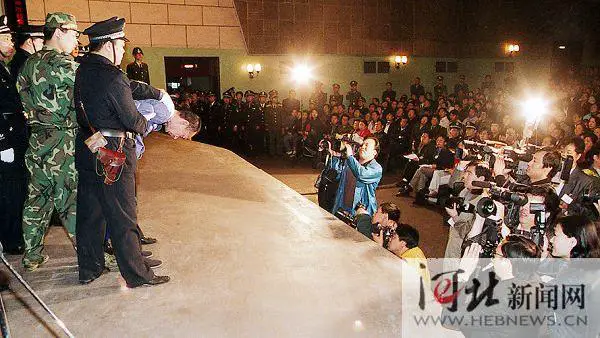
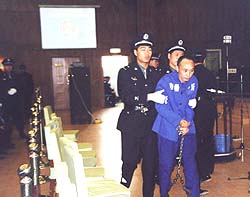
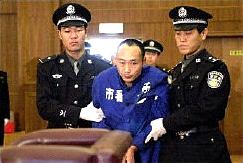
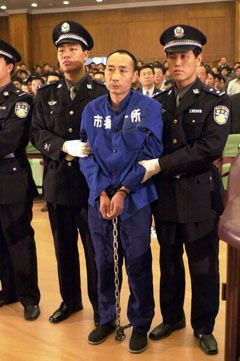
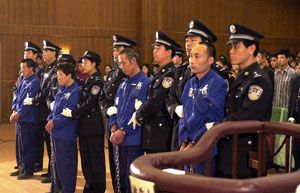
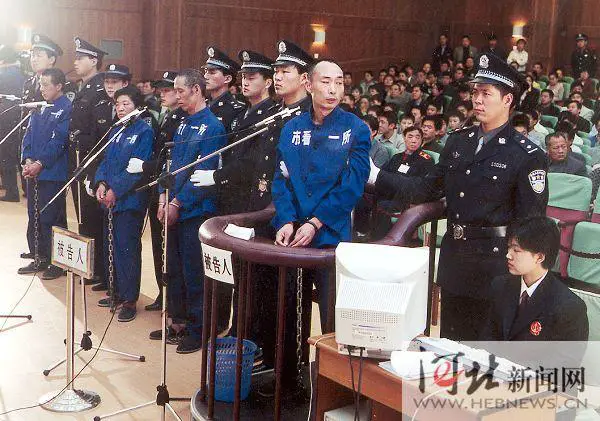
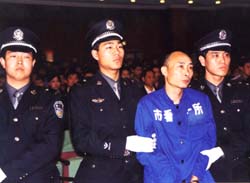
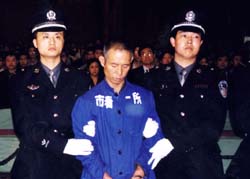
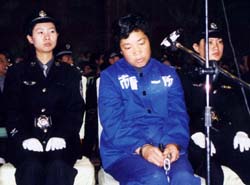
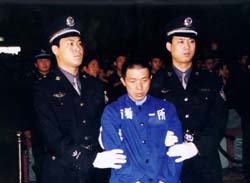
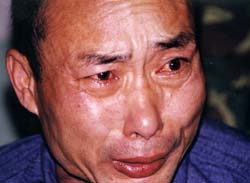
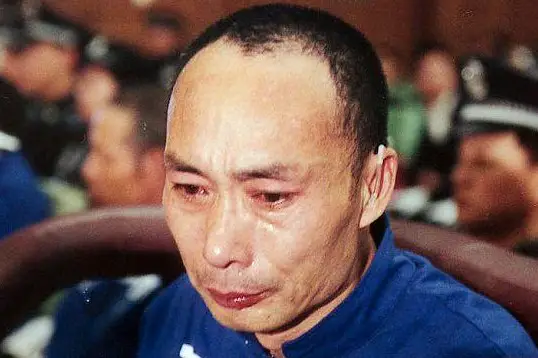
The judicial process was rapid, conducted under the national 'Strike Hard' campaign. Jin confessed to the crimes, citing personal revenge. He was tried alongside his explosives suppliers. The Shijiazhuang Intermediate People's Court sentenced Jin and his accomplices, Wang Yushun and Hao Fengqin, to death for supplying the explosive materials. Their appeals were rejected by the Higher People's Court of Hebei province.
5. Forensic Conclusion
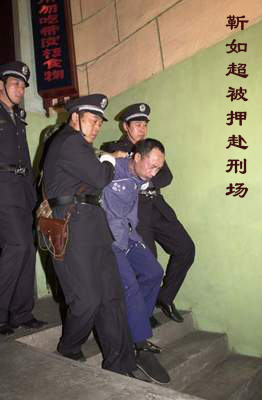
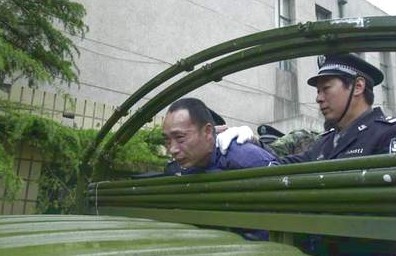
Jin Ruchao was executed by a gunshot to the head in June 2002. While the Chinese state presented the case as a lone-wolf act motivated by revenge, local residents and international observers questioned the feasibility of a single individual coordinating such large-scale explosions within such a short timeframe, fueling speculation regarding potential security lapses or undisclosed third-party involvement.