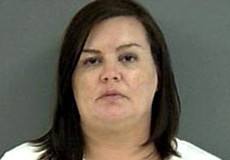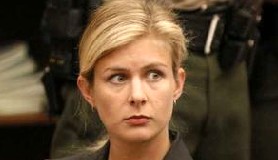




Forensic & Criminological Matrix
| Parameter | Forensic Detail |
|---|---|
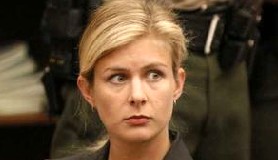
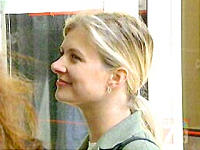
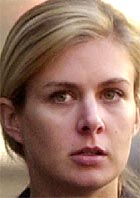
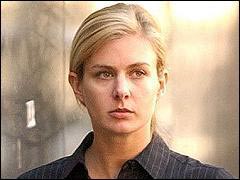
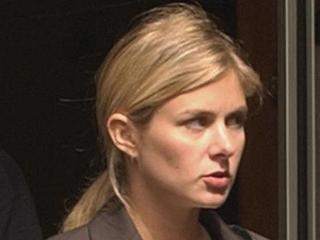
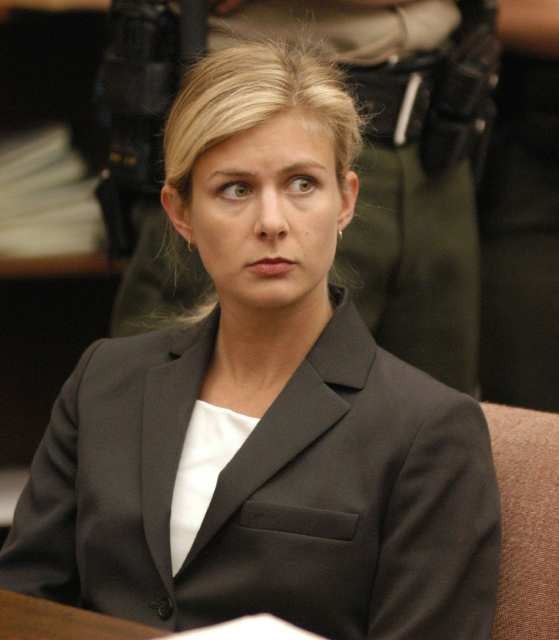
| Forensic Heading / Aliases | Kristin Rossum |
| Legal Identity | Kristin Margrethe Rossum |
| Confirmed Victims | 1 (Gregory T. de Villers) |
| Active Timeline | November 2000 |
| Jurisdiction / Area of Operations | San Diego, California, United States |
| Criminological Classification | Convenience / Instrumental Homicide |
| Forensic Modus Operandi | Poisoning via highly regulated synthetic opioid (fentanyl) and staged cinematic suicide scene |
| Weapon / Mechanism of Death | Fentanyl (diverted from the medical examiner's laboratory) |
| Motive / Behavioral Dynamics | Prevention of occupational exposure regarding workplace adultery and methamphetamine relapse following threats by the victim |
| Judicial Outcome | Convicted of first-degree murder in November 2002; sentenced to life imprisonment without parole |
1. Background and Psychopathy
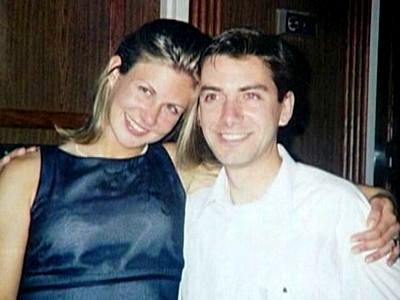
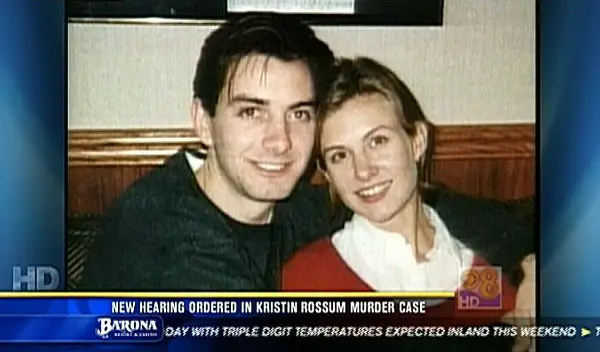
Kristin Margrethe Rossum, born in 1976 in Claremont, California, developed a history of illicit drug abuse during her youth. After overcoming a methamphetamine addiction with the assistance of her future husband, Gregory de Villers, she earned a degree in chemistry with honors from San Diego State University and secured employment as a toxicologist at the San Diego County Medical Examiner's Office. In 1999, she married de Villers while simultaneously initiating an extramarital affair with her supervisor, Australian toxicologist Michael Robertson.
2. Crime Spree
In late 2000, de Villers discovered Rossum's renewed drug relapse and her infidelity with Robertson. Threatening to expose their professional misconduct and drug use to the Medical Examiner's Office, de Villers placed Rossum's career and personal life under extreme pressure. On November 6, 2000, Rossum administered a lethal dose of fentanyl to her husband. To mislead investigators, she arranged red rose petals and wedding photographs around his body in the bedroom, meticulously replicating a scene from the film American Beauty to fabricate a suicide narrative.
3. Investigation and Arrest
Although initial police reluctance hindered immediate investigation, the victim's family persistently challenged the suicide hypothesis. Because Rossum worked for the medical examiner, the autopsy was outsourced to an independent laboratory in Los Angeles, which detected levels of fentanyl seven times the lethal limit—a substance rarely encountered in routine autopsies. Investigators quickly connected the pharmacological evidence to Rossum's professional access and her motive to silence her husband's impending disclosures.
4. Legal Proceedings and Outcome
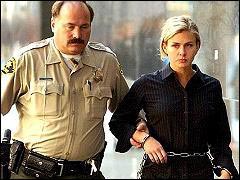
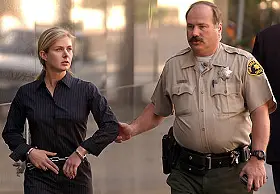
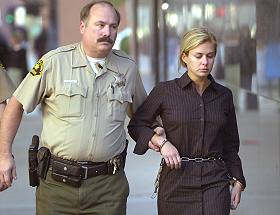
Rossum was arrested on June 25, 2001, and charged with murder. During the 2002 trial, prosecutors established that she utilized her expert toxicological knowledge to poison her husband and systematically staged the crime scene. The defense argued suicide, but the physical and circumstantial evidence refuted the claim. In November 2002, a jury found Rossum guilty of murder, and she was sentenced to life imprisonment without the possibility of parole at the Central California Women's Facility in Chowchilla.
5. Psychiatric Assessment and Aftermath
The case remains a textbook example of forensic insider crime, where specialized scientific knowledge was weaponized to commit murder and manipulate death investigation protocols. Subsequent federal appeals were denied, and civil litigation resulted in substantial punitive damages against Rossum, ensuring she could not profit from her criminal acts.