



Forensic & Criminological Matrix
| Parameter | Forensic Detail |
|---|---|
| Forensic Heading / Aliases | Elizabeth Ross (Mrs. Cook) |
| Legal Identity | Elizabeth Ross |
| Confirmed Victims | 1 (Caroline Walsh, 84) |
| Active Timeline | August 19, 1831 |
| Jurisdiction / Area of Operations | Goodman's Yard, Minories, London, United Kingdom |
| Criminological Classification | Profit-driven serial/homicide offender (Burking methodology) |
| Forensic Modus Operandi | Targeted vulnerable elderly individuals, coerced them into cohabitation, committed nocturnal asphyxiation via manual occlusion of airways and chest to prevent conspicuous trauma, concealed remains in sacks, and fenced personal effects. |
| Weapon / Mechanism of Death | Manual suffocation / asphyxiation |
| Motive / Behavioral Dynamics | Financial gain through the illicit cadaver trade and petty theft; operating within a Regency-era subculture of poverty and heavy alcohol abuse. |
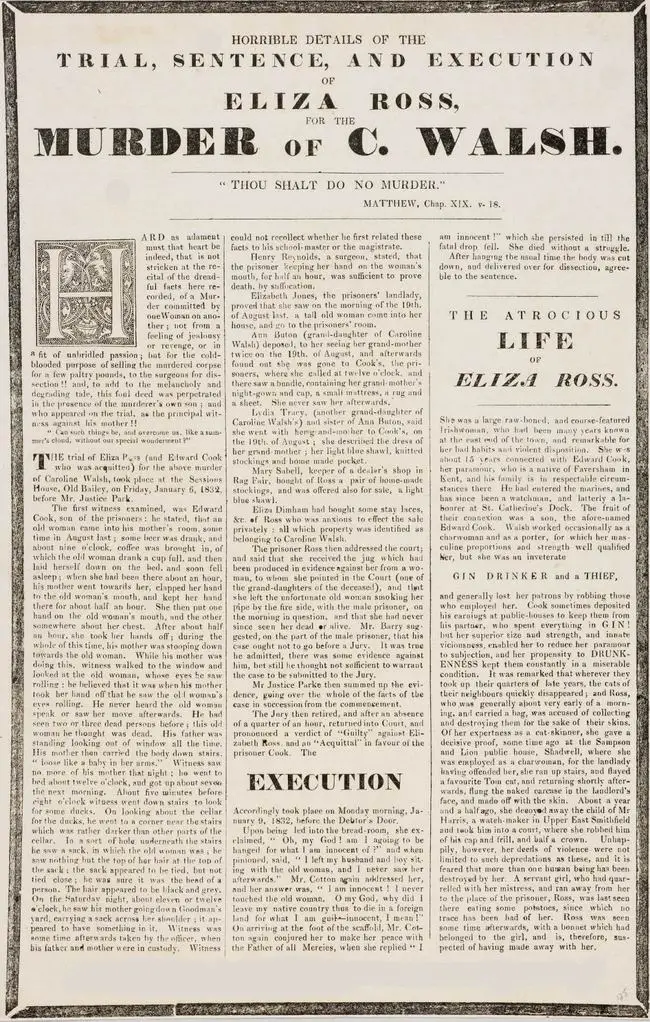
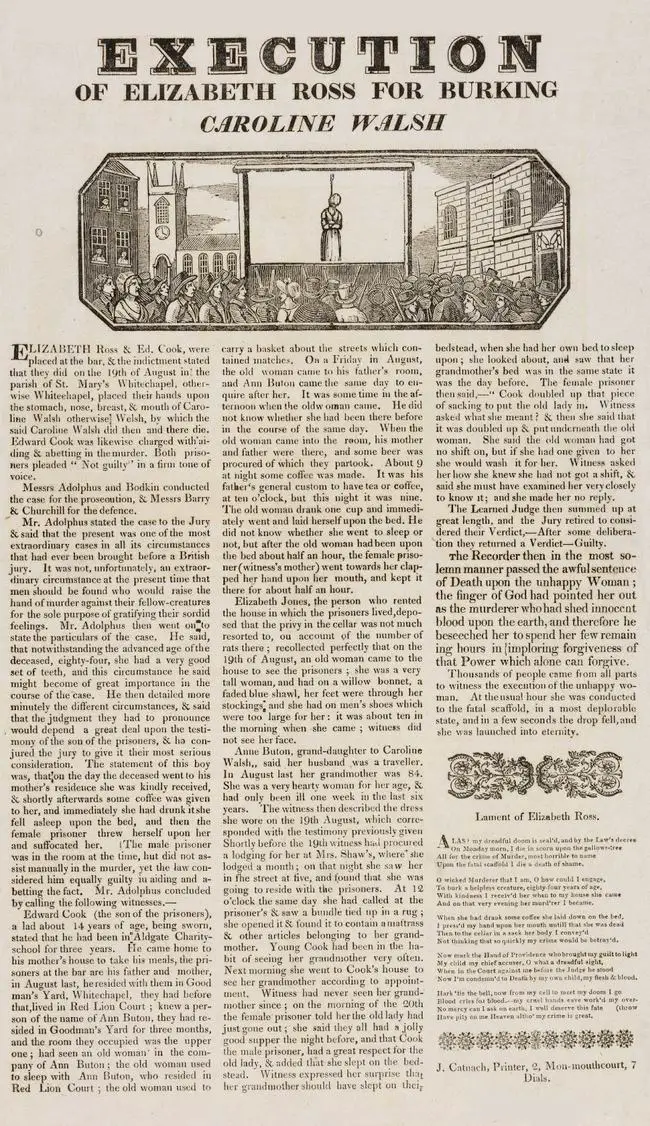
| Judicial Outcome | Convicted at the Old Bailey; sentenced to death and hanged outside the Debtors Gate at Newgate Prison on January 9, 1832, followed by anatomical dissection. |
1. Background and Profile
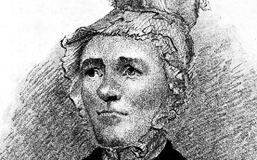
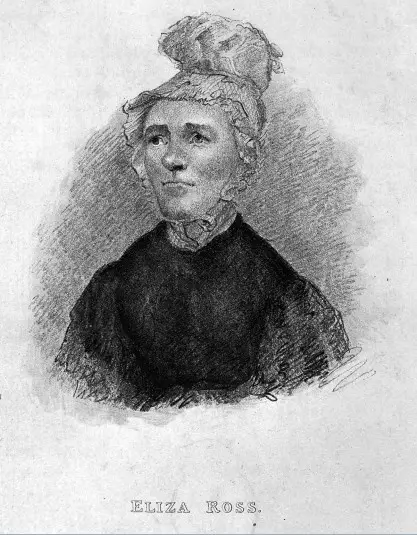
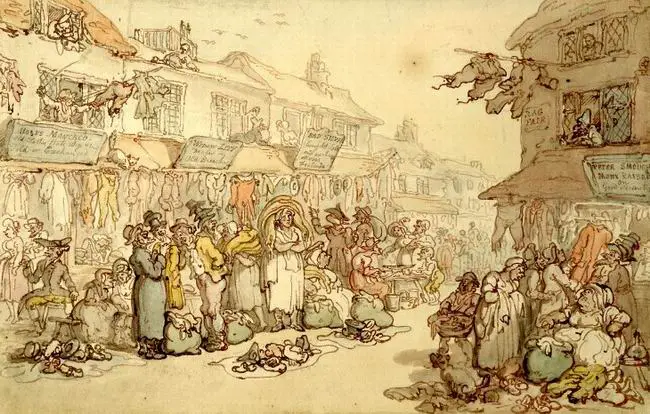
Elizabeth Ross inhabited the squalid stews of Regency-era London, surviving within an impoverished subculture characterized by excessive gin consumption and petty criminality. She cohabited in a single-room tenement at Goodman's Yard with her common-law husband, Edward Cook—a known body-snatcher—and their twelve-year-old son, Edward (known as Ned). Ross was locally known as a skin-dealer and heavy drinker, embodying the harsh realities of the London underworld that predated the infamous Whitechapel era.
2. Crime Spree and Modus Operandi
On August 19, 1831, following a persistent campaign of manipulation, Ross induced eighty-four-year-old street vendor Caroline Walsh to move into her lodgings. During the night, after a supper of coffee, Walsh was murdered. According to forensic reconstruction and eyewitness testimony from her own son, Elizabeth Ross mounted the victim, placing one hand over her face and the other on her chest, holding her down for roughly thirty minutes to induce silent asphyxiation without leaving excessive external trauma—a method characteristic of the infamous Burking technique later employed by Bishop and Williams. The body was subsequently secreted in a sack and stored in the tenement cellar.
3. Investigation and Arrest
Caroline Walsh's disappearance was reported to the Lambeth Street police station by her granddaughter, Ann Buton, who grew suspicious of Ross's evasive statements. Police officer James Lea initiated inquiries, interrogating both Ross and Edward Cook, whose testimonies regarding the night of August 19 contained irreconcilable discrepancies. The breakthrough occurred when twelve-year-old Ned Cook was questioned by authorities; he detailed his mother's homicidal actions and the location of the corpse. Furthermore, investigators traced clothing belonging to the victim to local rag and used-clothing dealers where Ross had sold them.
4. Legal Proceedings and Outcome
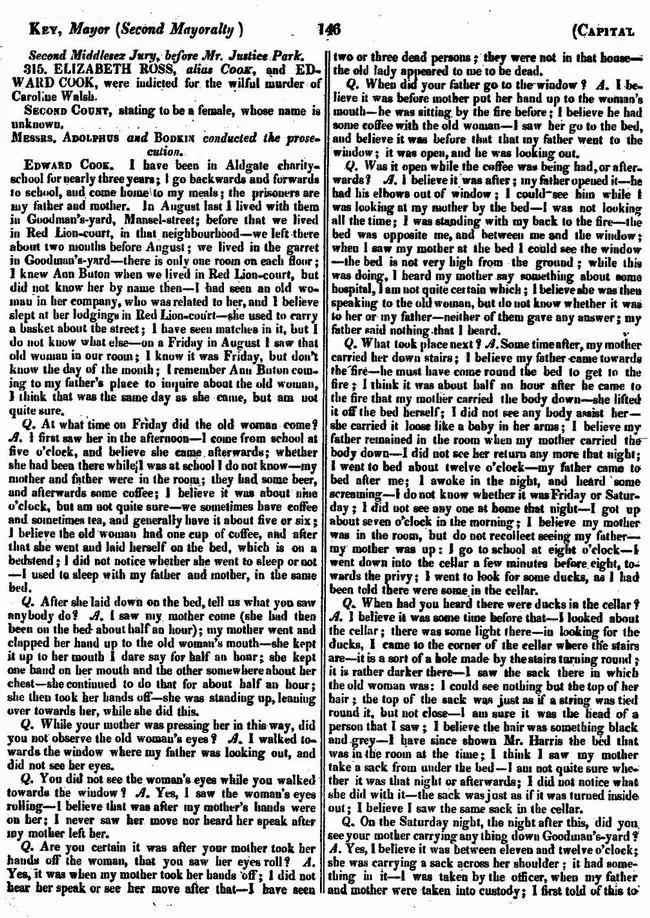
Trial proceedings commenced at the Old Bailey before Mr. Justice Park. The prosecution relied heavily on the testimony of young Ned Cook, whose forensic observations of the crime remained steadfast under cross-examination, despite Elizabeth Ross's courtroom outburst («Good God! How could I have borne a son to hang me!»). The jury returned a verdict of guilty against Elizabeth Ross while acquitting Edward Cook due to insufficient direct evidence linking him to the fatal act.
5. Psychiatric Assessment and Execution
Ross maintained her innocence until her final moments, claiming her son had been coached and protesting that she was being made a scapegoat. Sentenced to death, she was transported to the scaffold outside the Debtors Gate at Newgate Prison on Monday, January 9, 1832, where she was publicly hanged. In accordance with contemporary penal severity, her corpse was immediately handed over to anatomists for dissection, securing her place in forensic history as the sole female executed for a Burking murder.