


Forensic & Criminological Matrix
| Parameter | Forensic Detail |
|---|---|
| Forensic Heading / Aliases | The Last Call Killer |
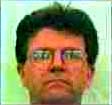
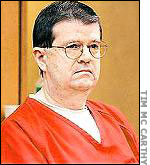
| Legal Identity | Richard Westall Rogers Jr. |
| Confirmed Victims | 2 |
| Attributed / Indicted Victims | 5 |
| Active Timeline | 1991-1993 |
| Jurisdiction / Area of Operations | New York, New Jersey, Pennsylvania |
| Criminological Classification | Serial Killer (Predatory/Opportunistic) |
| Forensic Modus Operandi | Bar solicitation, sedation, stabbing, and dismemberment |
| Weapon / Mechanism of Death | Knife, saw, sedatives (Versed) |
| Motive / Behavioral Dynamics | Unknown / Predatory pathology |
| Judicial Outcome | Life imprisonment (65-year minimum) |
1. Background and Profile
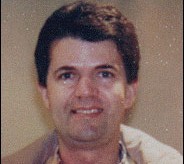
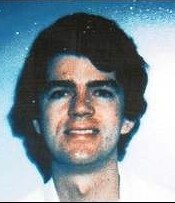
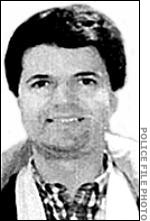
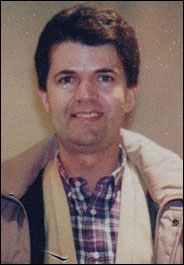
Richard Westall Rogers Jr. (born 1950) was a surgical nurse employed at Mount Sinai Hospital in Manhattan for over 20 years. His criminal history dates back to 1973 in Maine, where he killed his roommate, Frederick Spencer, with a hammer. He was acquitted after claiming self-defense. Rogers was described by acquaintances as a dull, unremarkable individual, which facilitated his ability to blend into the Manhattan gay bar scene without raising suspicion.
2. Criminal Career and Modus Operandi
Rogers targeted men in upscale gay bars, such as the Townhouse Bar. He would often approach intoxicated victims, sedate them, and subsequently stab them to death. He utilized his surgical training to dismember the bodies with precision, placing the remains in plastic trash bags and discarding them along highways in New Jersey and Pennsylvania. This pattern earned him the moniker "The Last Call Killer."
3. Investigation and Arrest
The investigation remained cold for years until 1999, when a victim's widow pushed for a review. Forensic experts utilized new techniques to lift fingerprints from the plastic bags. In 2001, these prints were matched against a national database containing Rogers' records from his 1973 Maine case. He was arrested at Mount Sinai Hospital on May 28, 2001.
4. Legal Proceedings and Outcome
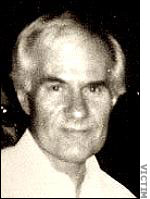
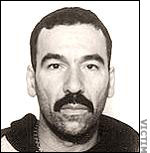
During the search of his Staten Island home, police discovered Versed (a sedative), carpet fibers matching those found at crime scenes, and photographs of men with stab wounds drawn on them. Despite his defense attorney's claims of innocence, Rogers was convicted in 2005 for the murders of Thomas Mulcahy and Anthony Marrero. In 2006, he was sentenced to life in prison with a minimum of 65 years, with the judge expressing hope that he would never regain his freedom.