

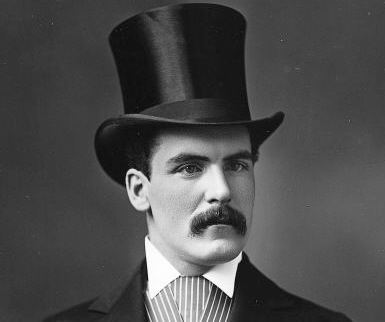
Forensic & Criminological Matrix
| Parameter | Forensic Detail |
|---|---|
| Forensic Heading / Aliases | null |
| Legal Identity | James Roland Robertson |
| Confirmed Victims | 1 |
| Attributed / Indicted Victims | 1 |
| Active Timeline | July 28, 1950 |
| Jurisdiction / Area of Operations | Glasgow, Scotland |
| Criminological Classification | Passionate Homicide / Intimate Partner Murderer |
| Forensic Modus Operandi | Deliberate and repeated vehicular crushing |
| Weapon / Mechanism of Death | Austin Saloon vehicle |
| Motive / Behavioral Dynamics | Extramarital conflict and concealment of paternity |
| Judicial Outcome | Death sentence by hanging |
1. Background and Profile
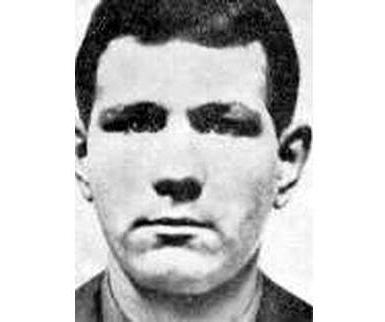
James Roland Robertson was a serving police constable in Glasgow, Scotland. Despite his role in law enforcement, he led a double life, engaging in an extramarital affair with Catherine McCluskey, a 40-year-old single mother. Robertson was the father of McCluskey's youngest child and sought to keep this relationship secret from his wife and police colleagues.
2. Crime Spree
On July 28, 1950, Robertson met McCluskey on Prospecthill Road. Following a heated argument, he assaulted her, rendering her unconscious. He then used a stolen Austin Saloon, fitted with false license plates, to repeatedly run over her body. Forensic evidence confirmed that the injuries were inconsistent with a standard hit-and-run, indicating a deliberate act of violence.
3. Investigation and Arrest
The investigation began after a taxi driver discovered the body. PC William Kevan, the first officer on the scene, identified inconsistencies in the evidence that pointed toward murder rather than an accident. The breakthrough came when a friend of the victim identified the father of McCluskey's child as a police officer. Forensic examination of Robertson's vehicle revealed blood and flesh on the undercarriage.
4. Legal Proceedings and Outcome
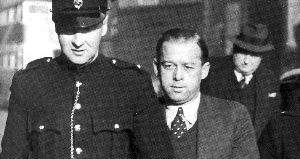
Robertson was charged with murder. During his trial at the High Court in Glasgow in November 1950, his defense of accidental death was discredited by evidence of the stolen car and his attempts to conceal the crime. He was found guilty and sentenced to death. On December 15, 1950, he was executed at Barlinnie Prison by Albert Pierrepoint, marking a historic case of a serving police officer being executed for a crime committed while on duty.