

Alfred Charles Whiteway: The Teddington Towpath Murders and the Black Museum Axe
Executive Summary
On Sunday, May 31, 1953, on the eve of Queen Elizabeth II's coronation festivities, two teenage Londoners, Barbara Songhurst (16) and Christine Reed (18), were brutally assaulted, sexually attacked, and murdered with an axe and a combat knife while cycling along the Thames towpath near Teddington Lock in southwest London.
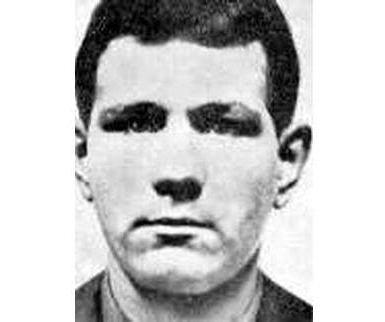
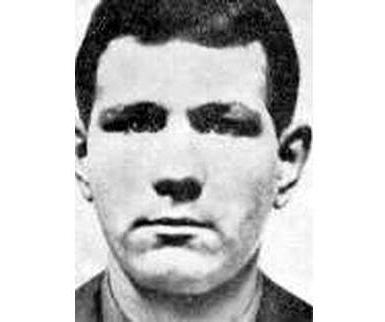
The discovery of Songhurst's body floating in the river on the morning of June 1 ignited intense public alarm that threatened to overshadow the British coronation. Scotland Yard launched one of the largest manhunts in modern history, interviewing over 3,000 local men. Led by Chief Superintendent Herbert Hannam, the inquiry focused on Alfred Charles Whiteway (1931 – 1953), a 22-year-old laborer with prior armed offenses who was apprehended following an attempted rape of a female cyclist in Oxshott Common, Surrey.
The case represented a historic milestone in British forensic science and procedural law: the primary weapon—a felling axe bearing victim blood recovered from Whiteway's car—mysteriously vanished from police custody when an uninformed constable took it home to chop firewood. Despite the domestic washing, eminent Guy's Hospital pathologist Dr. Keith Simpson utilized optical microscopy and chemical reagents to isolate microscopic human blood droplets inside the iron eye of the axe head and in the leather eyelets of Whiteway's work shoes matching the victims' blood groups. Convicted of capital murder at the Old Bailey, Whiteway was hanged at Wandsworth Prison by official executioner Albert Pierrepoint on December 22, 1953.
Forensic & Criminological Matrix
| Parameter | Forensic Detail |
|---|---|
| Legal Identity | Alfred Charles Whiteway |
| Date of Birth | 1931 (Teddington, Middlesex, England) |
| Date of Death | December 22, 1953 (Aged 22; executed by hanging at Wandsworth Prison, London) |
| Criminological Classification | Sadistic Sex Predator / Opportunistic Murderer / Weapon Ambush |
| Fatal Victims | 2 teenage girls (Barbara Songhurst, 16; Christine Reed, 18) |
| Date of Crime | Sunday, May 31, 1953 (approx. between 22:00 and 23:30 GMT) |
| Primary Crime Scene | River Thames Towpath near Teddington Lock, Middlesex, UK |
| Weapons Employed | Short-handled chopping axe and curved Nepalese kukri fighting knife |
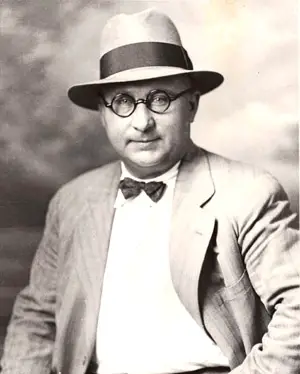
| Forensic Pathologists | Dr. Keith Simpson (Head of Forensic Medicine, Guy's Hospital) and Dr. Keith Mant |
| Defense & Crown Counsel | Sir Peter Rawlinson (Defense) and Christmas Humphreys (Crown Prosecutor) |
| Executioner | Albert Pierrepoint (assisted by Harry Allen) |
| Judicial Disposition | Found guilty of capital murder at Old Bailey; executed December 22, 1953 |
May 31, 1953: The Fatal Bicycle Excursion
On Sunday afternoon, May 31, 1953, as coronation bunting and grandstands lined London's boulevards for the young queen's procession, Barbara Songhurst and her friend Christine Reed set out on a bicycle outing:
- After visiting friends in Kingston upon Thames and taking tea along the river, they began cycling back to their homes in Teddington along the Thames towpath around 22:00.
- In a dark, unlit copse between Ham Fields and Teddington Lock, an ambusher jumped from the bushes.
- Songhurst was pulled from her bicycle and attacked with an axe and military knife, suffering severe skull trauma and stab wounds before being thrown into the river.
- Reed attempted to flee toward the weir gates but was caught from behind, struck down with the axe, and thrown into the riverbank reeds.
Scotland Yard Investigation and Discovery of Bodies
On Monday morning, June 1, 1953, a Thames lighterman spotted the floating body of Barbara Songhurst near Teddington Lock, semi-nude with horrific head lacerations. Christine Reed's body was recovered five days later, floating downstream on June 6.
Chief Superintendent Herbert Hannam of Scotland Yard's Murder Squad led the probe:
- Detectives surveyed over 3,000 local males.
- On June 28, 1953, Surrey Constabulary detained 22-year-old Alfred Charles Whiteway following a violent sexual assault on a female cyclist in Oxshott Common.
- Checking records, detectives discovered Whiteway resided in Teddington only hundreds of yards from the murder towpath.
The Misplaced Axe and Dr. Simpson's Forensic Triumphs
Searching Whiteway's old Ford sedan, detectives found a small chopping axe and an empty military sheath for a Nepalese kukri knife under the front seat. However, an embarrassing blunder occurred:
- The axe was left unlabeled on a station table; a junior constable, assuming it was discarded scrap, took it home to split kindling for his fireplace.
- Days later, when Hannam demanded the weapon for laboratory analysis, the horrified constable returned the tool after scrubbing it with bleach.
- Renowned forensic pathologist Dr. Keith Simpson examined the weapon with luminol and high-powered microscopes, detecting microscopic traces of human blood belonging to Christine Reed's blood group trapped in the wood-iron seam of the eye.
- Simpson also examined Whiteway's seized work boots: inside the leather eyelets through which the laces were threaded, Simpson located six micro-specks of dried blood that matched Barbara Songhurst's blood type.
Confronted with the forensic evidence, Whiteway signed a detailed confession revealing he had cast the kukri knife into the Thames, where Royal Navy divers subsequently recovered it from the riverbed at the exact coordinates he provided.
Old Bailey Trial and Wandsworth Execution
The capital trial opened at the Old Bailey in late October 1953 before Mr. Justice Hilbery:
- Defense counsel Peter Rawlinson (later Solicitor General and Baron Rawlinson of Ewell) challenged the confession, alleging police coercion and attacking the chain of custody regarding the misplaced axe.
- However, Dr. Keith Simpson's microscopic eyelet evidence and the physical recovery of the dredged kukri proved decisive.
- On November 2, 1953, after 45 minutes of deliberation, the jury returned a verdict of guilty. The Court of Criminal Appeal rejected his appeal on December 7.
On December 22, 1953, at 09:00, Whiteway was executed on the gallows at Wandsworth Prison by Albert Pierrepoint. The murder axe and kukri were transferred to Scotland Yard's Crime Museum (The Black Museum), where they remain cataloged as classic landmarks of forensic investigation.