Forensic & Criminological Matrix
| Parameter | Forensic Detail |
|---|---|
| Forensic Heading / Aliases | None |
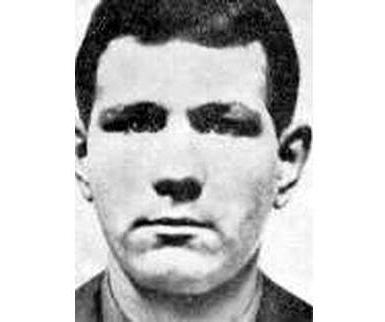
| Legal Identity | Jonathan Richmond |
| Confirmed Victims | 2 |
| Attributed / Indicted Victims | 2 |
| Active Timeline | February 7, 1972 |
| Jurisdiction / Area of Operations | London, United Kingdom |
| Criminological Classification | Sexual murderer / Multiple homicide |
| Forensic Modus Operandi | Extreme physical violence, strangulation, stabbing, and attempted incineration |
| Weapon / Mechanism of Death | 22cm knives, paraffin, blunt force |
| Motive / Behavioral Dynamics | Sexual frustration and psychopathy |
| Judicial Outcome | Life imprisonment (1972) |
1. Background and Psychopathy
Jonathan Richmond, a German-born 18-year-old, was characterized by a history of unemployment and instability. Despite his brother Peter's attempts to assist him, Jonathan exhibited clear signs of psychopathy and antisocial behavior, exacerbated by substance misuse.
2. Crime Spree
On February 7, 1972, at his sister-in-law's apartment in Abbey Wood, Richmond committed a double murder. After a failed sexual assault on Margaret Richmond, he murdered her and her two-year-old son, Justin. The crime involved severe mutilation and an attempt to burn the bodies using paraffin.
3. Investigation and Forensic Hunt
Firefighters discovered the bodies after responding to a fire call. The scene was described as horrific, with investigators noting the use of perfume and paraffin to conceal the crime. Forensic identification of Margaret was only possible through dental records.
4. Legal Proceedings and Outcome
Richmond was apprehended on February 10, 1972, in Salisbury. He confessed to the crimes at the Old Bailey. Judge Sir Carl Aarvold sentenced him to life imprisonment, noting the extreme nature of the offense and refusing to make a recommendation for early release.
5. Psychiatric Assessment and Conclusion
Psychiatric evaluations highlighted Richmond's immaturity and psychopathic traits. His attempt to blame medication for his actions was rejected by the court, which viewed the murders as a manifestation of deep-seated violent impulses.