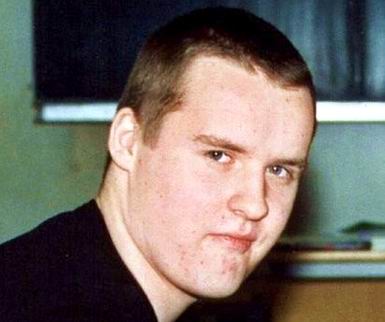





Forensic & Criminological Matrix
| Parameter | Forensic Detail |
|---|---|
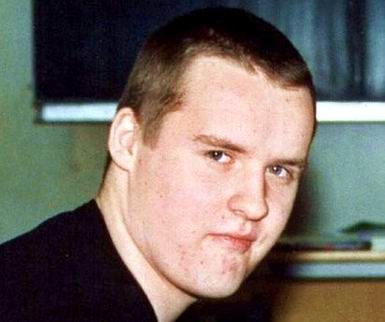
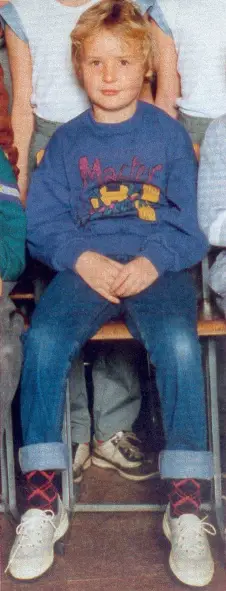
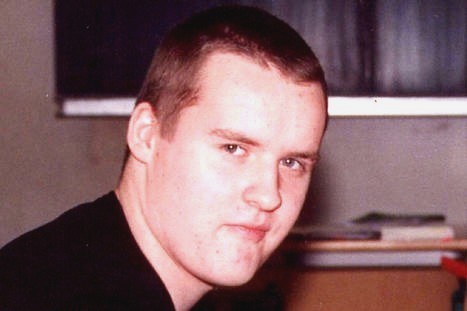
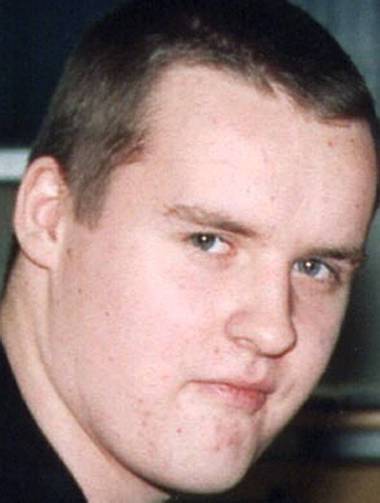
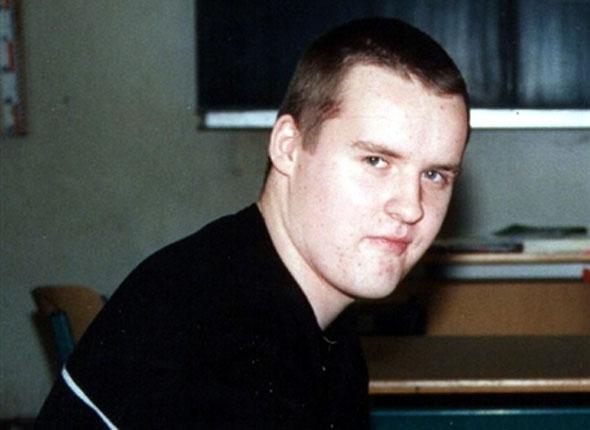
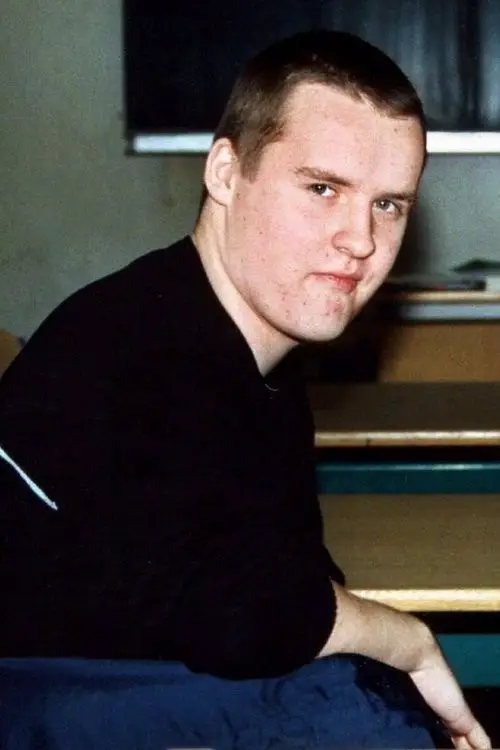
| Full Legal Name | Robert Steinhäuser |
| Registered Monikers | The Erfurt School Shooter |
| Nationality | German |
| Date and Place of Birth | January 22, 1983, Erfurt, Thuringia, Germany |
| Date and Place of Death | April 26, 2002, Gutenberg-Gymnasium, Erfurt, Thuringia, Germany (aged 19) |
| Cause of Death | Suicide by self-inflicted contact gunshot wound to the head |
| Criminal Classification | School mass shooter / Spree killer / Grievance-driven mass murderer |
| Date of Offense | Friday, April 26, 2002 |
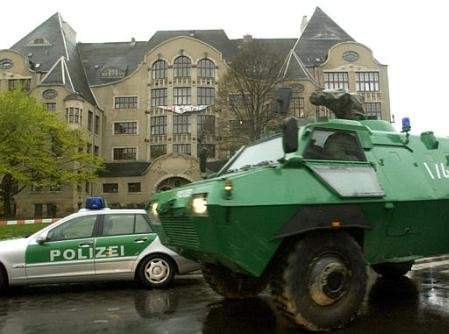
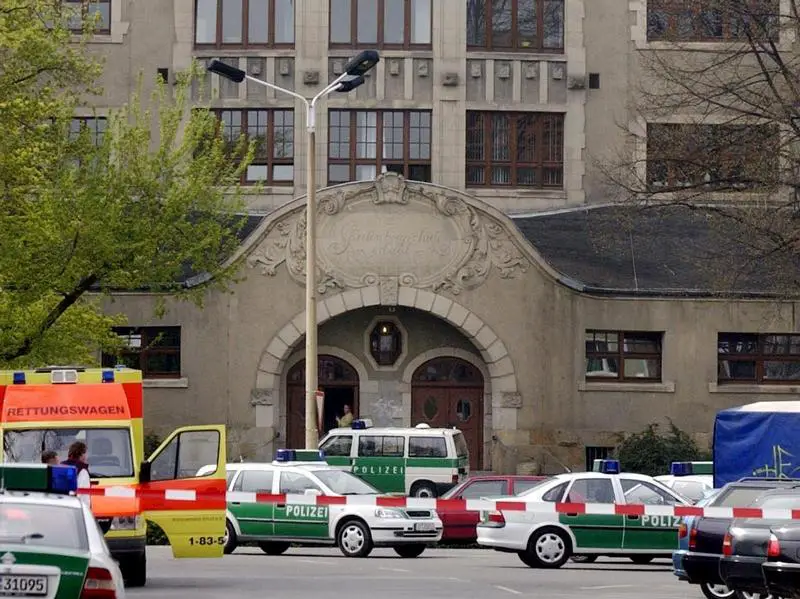
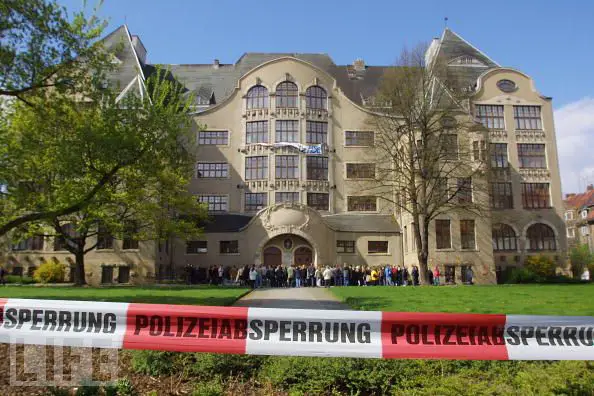
| Location | Gutenberg-Gymnasium secondary school, Erfurt, Germany |
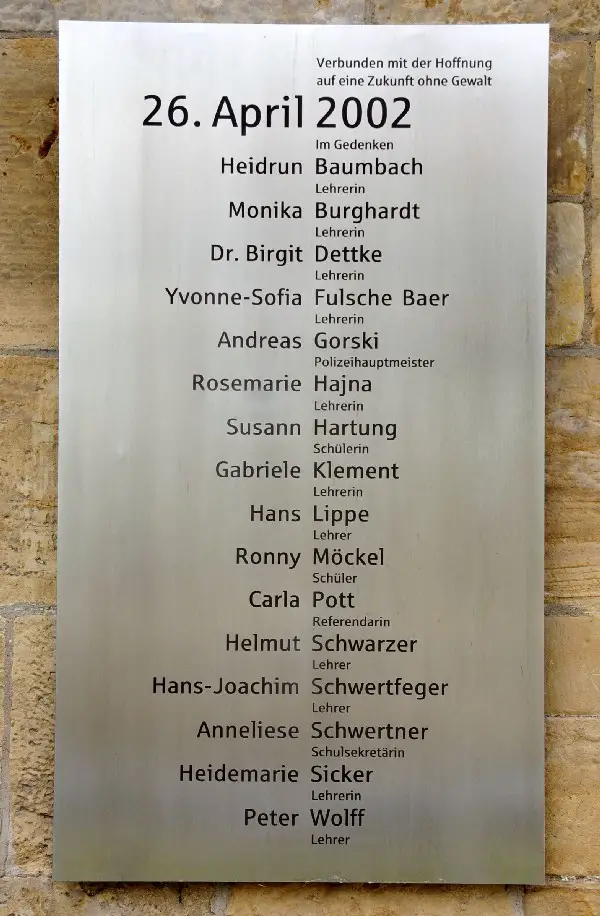
| Fatal Casualties | 16 killed (12 teachers, 2 students aged 14 and 15, 1 school administrator, and 1 responding police officer) and 7 wounded |
| Weapons Employed | Glock 17 9mm semi-automatic pistol (expended over 70 rounds inflicting all 16 fatalities) and a Mossberg 12-gauge pump-action shotgun (carried slung, unexpended) |
| Modus Operandi | Premeditated assault clad in tactical black attire and balaclava during written Abitur graduation examinations; moving room to room systematically executing faculty members while sparing students; trapped inside Room 111 by teacher Rainer Heise prior to committing suicide. |
| Psychological Profile | Narcissistic injury, severe academic failure concealment, compensatory firearms obsession through licensed gun clubs, and retaliatory institutional rage. |
| National Legislative Legacy | Catalyst for comprehensive overhaul of German firearms statutes (Waffengesetz), raising the legal purchase age for sport shooters from 18 to 21 and mandating psychological assessments. |
Concealed Failure and Retaliatory Planning
Robert Steinhäuser was raised in a middle-class family in Erfurt, Thuringia. An active member of two regional sport-shooting clubs (Schützenverein), he exploited legal loopholes to acquire a gun possession card (Waffenbesitzkarte) at age eighteen, purchasing a Glock 17 handgun and a shotgun.
In late 2001, following chronic absenteeism and the submission of forged medical certificates, the administration of the Gutenberg-Gymnasium expelled him. Under Thuringian educational law at that time, expulsion during the final year disqualified the student from receiving even a basic secondary school leaving certificate. Ashamed to confront his parents, Steinhäuser concealed his dismissal, leaving home each morning pretending to attend classes while stockpiling ammunition.
The Massacre of April 26, 2002
On Friday, April 26, 2002, while senior students were completing written mathematics Abitur exams, Steinhäuser entered the school carrying a sports duffel. Inside a first-floor lavatory, he donned a black tactical jumpsuit, vest, and balaclava, loaded his Glock 17, and armed himself.
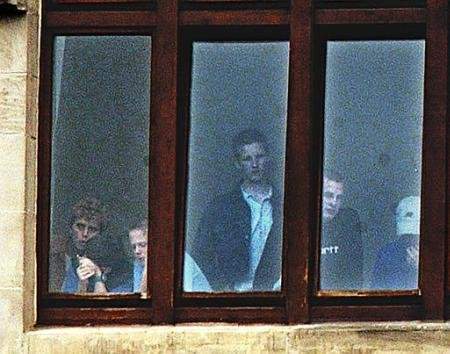
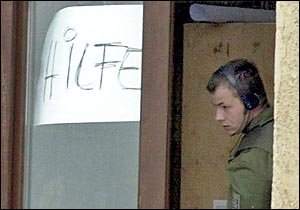
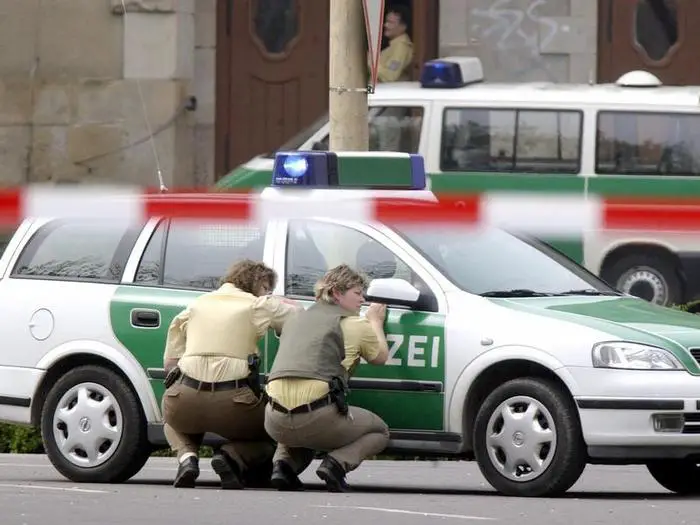
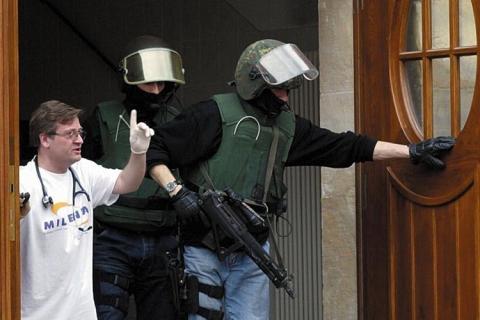
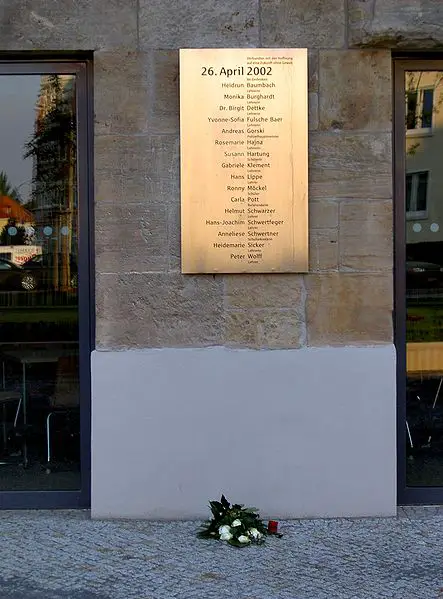
Beginning around 10:55 a.m., Steinhäuser moved through the corridors, specifically hunting teachers. He breached classrooms, raised his pistol, and shot instructors in the head and torso at close range, frequently telling terrified teenagers, "I'm not shooting at you." In administrative offices, he killed the vice principal and head secretary. Outside, he fired through a second-story window, fatally striking responding police officer Andreas Gorski.
Confrontation with Rainer Heise and Suicide
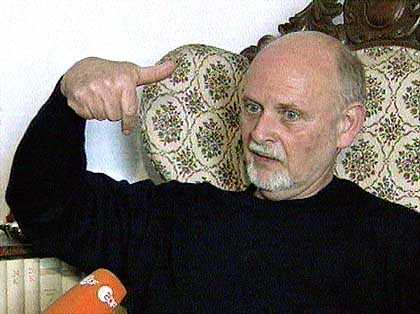
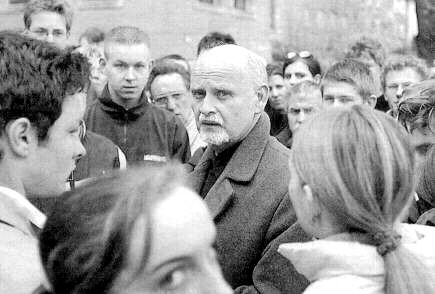
On the second floor, Steinhäuser encountered 60-year-old history and art teacher Rainer Heise. Steinhäuser raised his balaclava, exposing his face. Heise stepped forward and challenged him: "Shoot me, look me in the eyes."
Steinhäuser lowered his weapon, replying: "Für heute reicht es, Herr Heise" ("That's enough for today, Mr. Heise"). Exploiting Steinhäuser's hesitation, Heise shoved the shooter into empty classroom 111, slammed the door, and locked it from the corridor. Within moments, Steinhäuser committed suicide with a gunshot to the head.
Legislative Reforms in Germany
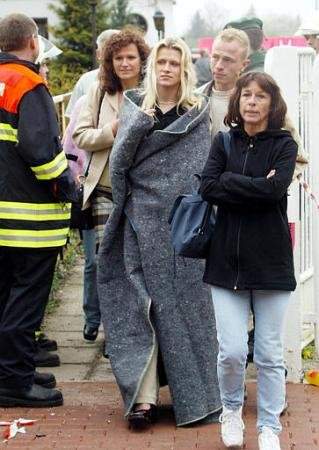
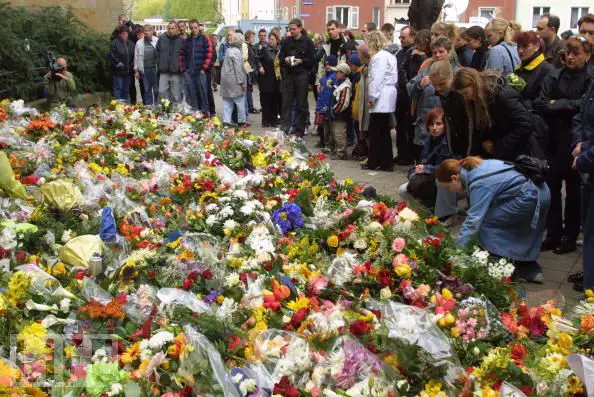
The Erfurt massacre was the deadliest school shooting in modern European history up to that date, triggering nationwide mourning. An independent commission confirmed Steinhäuser acted without accomplices, motivated by academic humiliation.
The tragedy prompted the German Bundestag to enact immediate gun control reforms in 2002, mandating strict psychiatric clearances for young gun purchasers and restricting high-capacity magazines. Educational regulations were overhauled to ensure expelled secondary students retained alternative accreditation pathways.