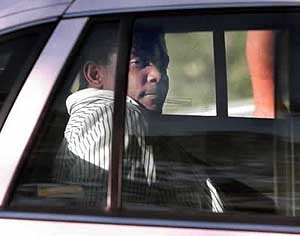
Forensic & Criminological Matrix
| Parameter | Forensic Detail |
|---|---|
| Forensic Heading / Aliases | The Schizophrenic Vampire |
| Legal Identity | James P. Riva |
| Confirmed Victims | 1 |
| Attributed / Indicted Victims | 1 |
| Active Timeline | April 10, 1980 |
| Jurisdiction / Area of Operations | Marshfield, Massachusetts |
| Criminological Classification | Psychotic Murderer |
| Forensic Modus Operandi | Shooting, stabbing, and arson |
| Weapon / Mechanism of Death | .38 caliber firearm with gold-painted bullets and knife |
| Motive / Behavioral Dynamics | Vampirism delusion / Schizophrenia |
| Judicial Outcome | Life imprisonment for second-degree murder and arson |
1. Background and Psychopathy
James P. Riva had a documented history of severe mental illness, having been institutionalized at least four times between 1975 and 1978. His psychological profile was marked by a long-standing obsession with vampirism, which escalated from animal cruelty to a full-blown delusion that his 74-year-old grandmother, Carmen Lopez, was a vampire predator draining his life force.
2. Crime Spree
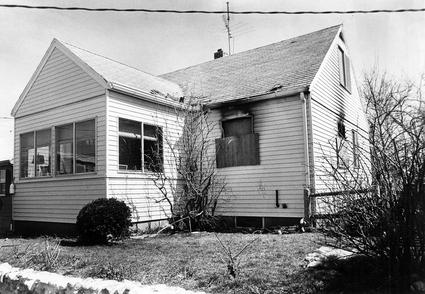
On April 10, 1980, Riva entered his grandmother's home in Rexhame Beach. He shot her twice while she sat in her wheelchair, using bullets he had painted gold. He then stabbed her in the heart, claiming he was following orders from a vampire. To cover his tracks, he set the house on fire, leaving the victim's body in the rubble.
3. Investigation and Arrest
Marshfield police discovered the victim's body in a fetal position. Evidence found in Riva's car included a white candle and a pentacle, suggesting ritualistic behavior. His mother testified that he confessed to the murder, claiming he needed the victim's blood to survive.
4. Legal Proceedings and Outcome
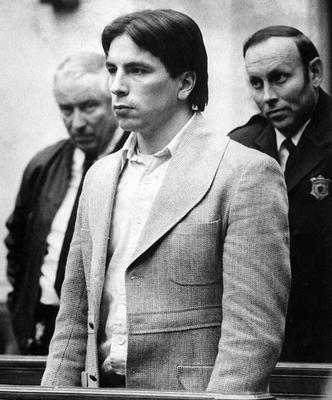
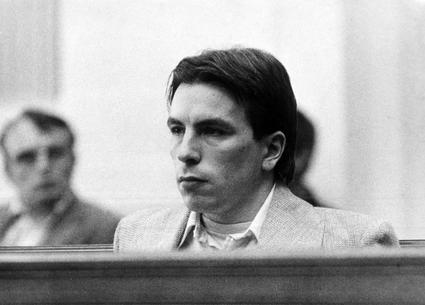
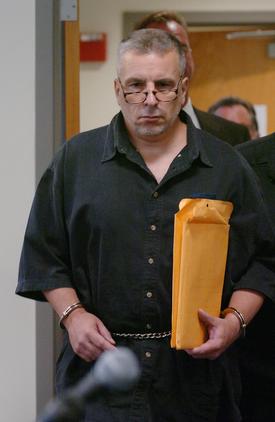
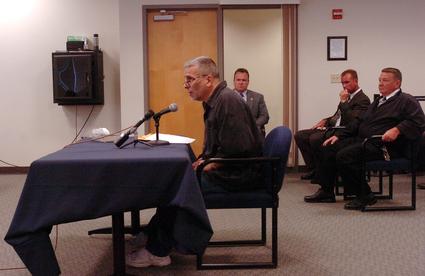
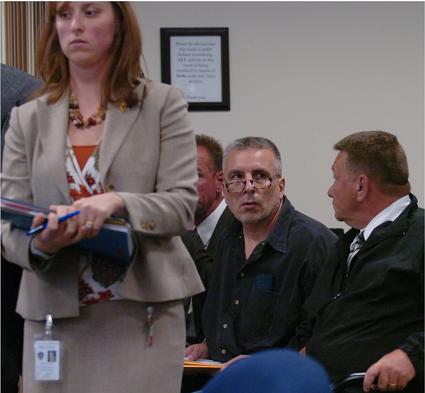
During his 1981 trial, the defense argued insanity. The jury found him guilty of second-degree murder, arson, and assault on an officer. He was sentenced to life in prison. Subsequent parole hearings in 2004 and 2009 were denied, with the board citing his lack of remorse and continued risk to society.