



Forensic & Criminological Matrix
| Parameter | Forensic Detail |
|---|---|
| Forensic Heading / Aliases | The Radisson Hotel killer |
| Legal Identity | Silvio Izquierdo-Leyva |
| Confirmed Victims | 5 |
| Attributed / Indicted Victims | 5 |
| Active Timeline | December 30, 1999 |
| Jurisdiction / Area of Operations | Tampa, Florida, USA |
| Criminological Classification | Mass Murderer |
| Forensic Modus Operandi | Targeted shooting spree followed by armed carjacking |
| Weapon / Mechanism of Death | 9mm pistol and .38 revolver |
| Motive / Behavioral Dynamics | Paranoid delusions, mental illness, and workplace resentment |
| Judicial Outcome | Life imprisonment without parole (April 18, 2002) |
1. Background and Psychopathy
Silvio Izquierdo-Leyva, a 36-year-old Cuban immigrant, arrived in the U.S. via the Guantanamo Bay Naval Base. He lived in Alabama before settling in Tampa. While he lacked a significant criminal record in Florida, he had a prior arrest in Alabama for stabbing. Forensic evaluations by six doctors confirmed he suffered from severe mental illness, specifically paranoid delusions, believing coworkers were mocking him.
2. Crime Spree
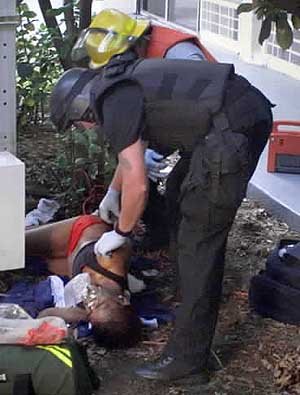
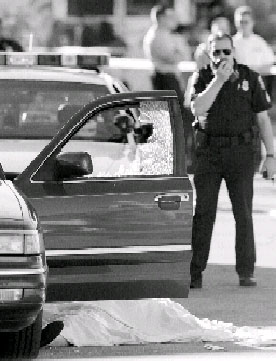
On December 30, 1999, Izquierdo-Leyva, dressed in white, entered the Radisson Bay Harbor Hotel and opened fire on staff. He killed four coworkers: Eric Pedroso, Barbara Carter, Jose R. Aguilar, and George C. Jones. He then fled the scene and murdered Dolores Perdomo during a carjacking attempt near La Teresita restaurant.
3. Investigation and Arrest
Tampa Police Chief Bennie Holder led the investigation. Izquierdo-Leyva was apprehended shortly after the final murder while attempting to flee in a stolen vehicle. Forensic evidence included Santeria artifacts and a list of victims' names, which he intended to use in a ritual to 'freeze out' perceived evil.
4. Legal Proceedings and Outcome
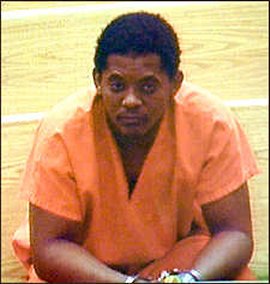
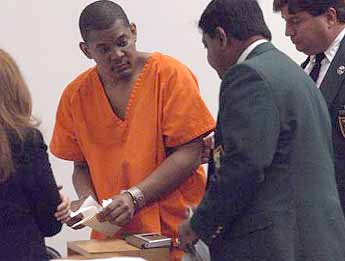
Charged with five counts of first-degree murder, Izquierdo-Leyva pleaded guilty to avoid the death penalty. On April 18, 2002, Judge J. Rogers Padgett sentenced him to life in prison without parole, acknowledging his severe mental state at the time of the crimes.
5. Psychiatric Assessment and Conclusion
Psychiatric reports confirmed the suspect suffered from severe paranoid psychosis. He claimed to hear voices and felt persecuted by his peers. He remains incarcerated in a Florida state prison, having been transferred previously due to violent altercations with other inmates.