



Forensic & Criminological Matrix
| Parameter | Forensic Detail |
|---|---|
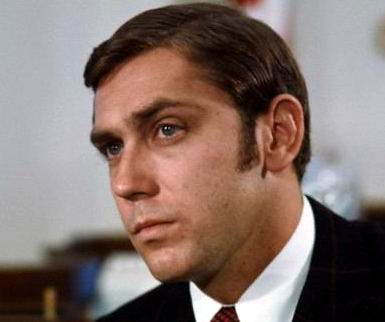
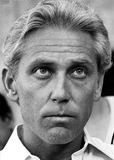
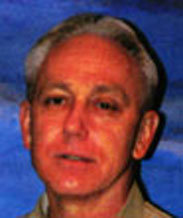
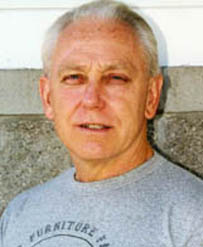
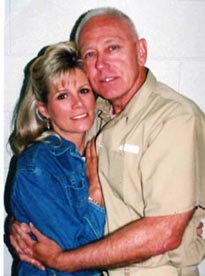
| Identity | Jeffrey Robert MacDonald |
| Known Aliases | "The Fatal Vision Killer", "The Green Beret Surgeon" |
| Criminal Classification | Familicide, sociopathic stage crafter, and narcissistic domestic perpetrator |
| Date of Birth | October 12, 1943 (Jamaica, Queens, New York, United States) |
| Legal Status | Incarcerated, serving three consecutive life sentences at the Federal Correctional Institution, Cumberland (FCI Cumberland, Maryland) |
| Criminal Indictment | One count of first-degree murder (daughter Kristen) and two counts of second-degree murder (wife Colette and daughter Kimberly) |
| Fatalities | 3 (his pregnant wife Colette, aged 26; eldest daughter Kimberly, aged 5; youngest daughter Kristen, aged 2) |
| Crime Scene | 544 Castle Drive, Fort Bragg Army Base, Fayetteville, North Carolina, United States |
| Date of Crime | February 17, 1970 |
| Weapons Used | 30-inch pine lumber club, ice pick, 6-inch Old Hickory carbon-steel kitchen knife, and utility paring knife. |
| Motive | Explosive domestic rage aggravated by prescription diet amphetamines (Eskatrol), violent matrimonial confrontation, and elaborate theatrical staging to deflect guilt onto fictitious counterculture cultists. |
| Current Status | Federal inmate without parole eligibility following exhaustive forensic appellate rejections. |
Forensic Synopsis and Historical Context
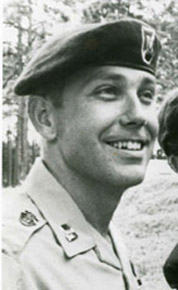
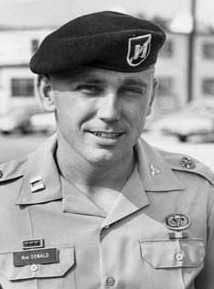
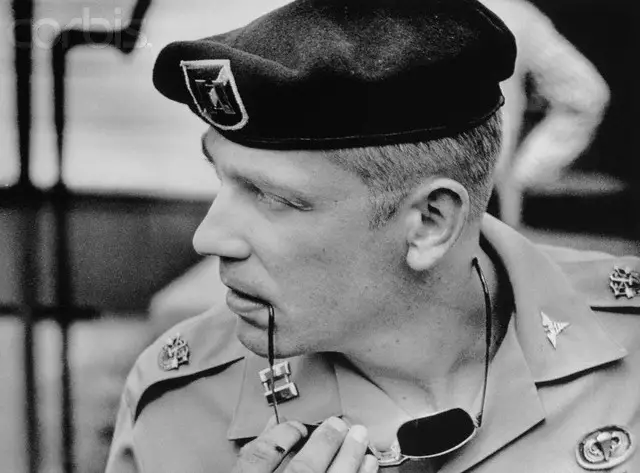
The case of Dr. Jeffrey Robert MacDonald, a physician and Green Beret captain in the United States Army, remains one of the most exhaustively dissected proceedings in modern forensic pathology and crime scene reconstruction. Commemorated in Joe McGinniss’s landmark investigative classic Fatal Vision, the trial exposed the stark contradiction between the polished persona of a Princeton-educated military officer and microscopic physical evidence.
On the rainy night of February 17, 1970, MacDonald's pregnant wife and two young daughters were bludgeoned and stabbed to death in their base housing at Fort Bragg. MacDonald asserted that four drug-crazed hippie intruders—three men and a woman wearing a floppy hat holding a candle while chanting "Acid is groovy, kill the pigs"—had attacked his family in imitation of the Manson Family Tate-LaBianca murders. Forensic science conducted by the FBI and the Army CID definitively disproved his account, proving he staged the scene to cover up domestic familicide.
The Murders at 544 Castle Drive
At 3:42 AM on February 17, 1970, military police responded to an emergency call placed from 544 Castle Drive:
- The Victims: In the master bedroom, patrolmen found Colette MacDonald dead on the floor with multiple compound skull fractures from a lumber club, and 37 puncture and stab wounds. The word "PIG" was scrawled in her blood on the headboard. In their bedrooms, 5-year-old Kimberly lay bludgeoned and stabbed, while 2-year-old Kristen had been stabbed 33 times with a knife and punctured 15 times with an ice pick.
- MacDonald's Condition: MacDonald was found alive lying across his wife with his torn blue pajama top. He exhibited minor superficial scratches, small abrasions, and a single clean puncture to his chest that caused a small, easily managed pneumothorax that healed within days.
The Article 32 Investigation and the Kassab Crusade
In May 1970, the Army conducted an Article 32 military inquest:
- Dismissal of Charges: Defense counsel capitalized on CID errors in evidence preservation and chain of custody, securing dismissal of all charges in October 1970. MacDonald was honorably discharged and relocated to California as an emergency room director.
- The Turning Point: Colette's stepfather, Alfred "Freddy" Kassab, initially MacDonald’s most vocal champion, methodically reviewed the 2,000 pages of Article 32 testimony. Discovering contradictions, falsehoods, and MacDonald’s refusal to assist in pursuing leads, Kassab launched a relentless nine-year campaign that compelled the U.S. Department of Justice to secure a federal grand jury indictment in 1975.
Physical Evidence and FBI Reconstruction
At his 1979 federal trial in Raleigh before Judge Franklin Dupree, government forensic experts presented devastating reconstruction evidence:
- Pajama Folding Experiment: MacDonald testified that he wrapped his pajama top around his hands to fend off thrusts from ice-pick wielding intruders in the dark living room. FBI microanalyst Paul Stombaugh proved that when the pajama top was folded, its 48 puncture holes perfectly aligned with the 21 ice pick puncture wounds on Colette's chest, demonstrating that the shirt was draped stationary over her inert body as she was stabbed.
- Microfiber Distribution: Zero pajama fibers were recovered from the living room sofa or rug where MacDonald claimed his life-or-death struggle occurred. Conversely, dozens of blue and purple fibers were recovered beneath Colette's fingernails, under the bed, and inside both children's beds.
- Absence of Intruders: Not a single foreign fingerprint, outdoor muddy footprint, or drop of candle wax was discovered anywhere in the residence.
Verdict, Appeals, and Modern DNA Validation
On August 29, 1979, the jury convicted MacDonald of all three murders:
- Sentence: He was sentenced to three consecutive life terms.
- Modern DNA Findings: In 2006, extensive STR and mitochondrial DNA testing ordered by the federal appeals court on unsourced crime scene hairs definitively refuted defense claims that local addict Helena Stoeckley and her associates were present. The hairs matched MacDonald and family members, sealing the factual validity of his conviction.