Forensic & Criminological Matrix
| Parameter | Forensic Detail |
|---|---|
| Forensic Heading / Aliases | N/A |
| Legal Identity | Thomas William Rigterink |
| Confirmed Victims | 2 |
| Attributed / Indicted Victims | 2 |
| Active Timeline | September 24, 2003 |
| Jurisdiction / Area of Operations | Winter Haven, Florida, USA |
| Criminological Classification | Multiple murderer / Drug-related offender |
| Forensic Modus Operandi | Stabbing with a long-bladed knife |
| Weapon / Mechanism of Death | Large knife |
| Motive / Behavioral Dynamics | Drug robbery and witness elimination |
| Judicial Outcome | Convicted of first-degree murder (death sentence overturned in 2009) |
1. Background and Profile
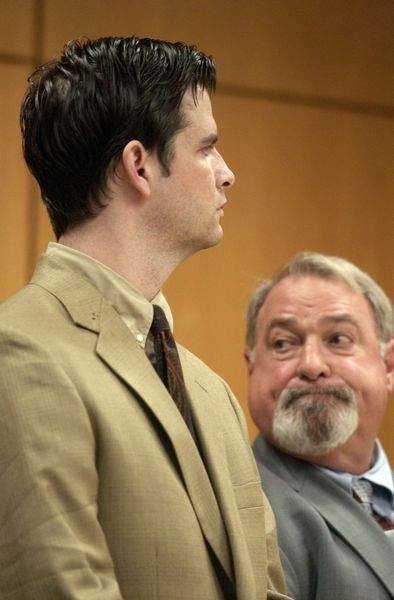
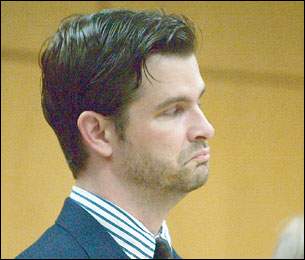
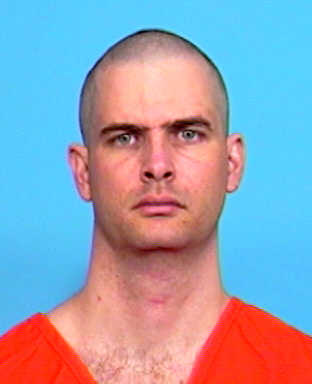
Thomas William Rigterink (born December 29, 1971) was an adopted son of college professors who appeared to lead a normal life, working as a model and studying biology. Behind this facade, he was deeply involved in the local drug culture, specifically the cultivation and use of marijuana, which brought him into contact with his eventual victim, Jeremy Jarvis.
2. Crime Spree
On September 24, 2003, Rigterink attempted to rob Jarvis of a large quantity of marijuana. The confrontation turned lethal when Rigterink stabbed Jarvis 22 times. Jarvis fled to a nearby office building seeking help. Allison Sousa, a 23-year-old secretary, attempted to assist him, but Rigterink followed and stabbed her six times to ensure no witnesses remained. Both victims bled to death.
3. Investigation and Arrest
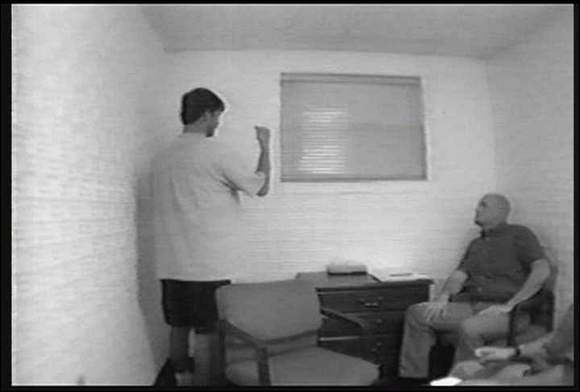
Police identified Rigterink through bloody fingerprints found at the crime scene. Despite his efforts to clean his father's truck and hide, forensic evidence linked him directly to the murders. He was arrested on October 15, 2003, after providing a videotaped confession to detectives.
4. Legal Proceedings and Outcome
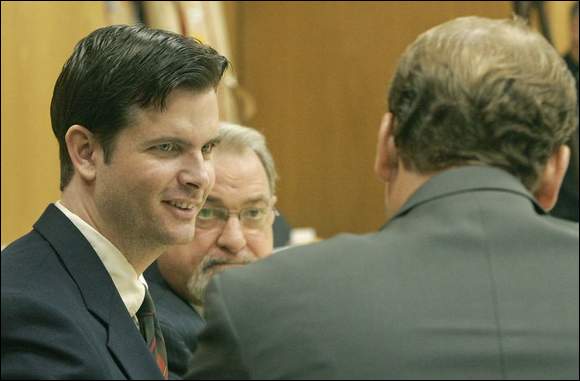
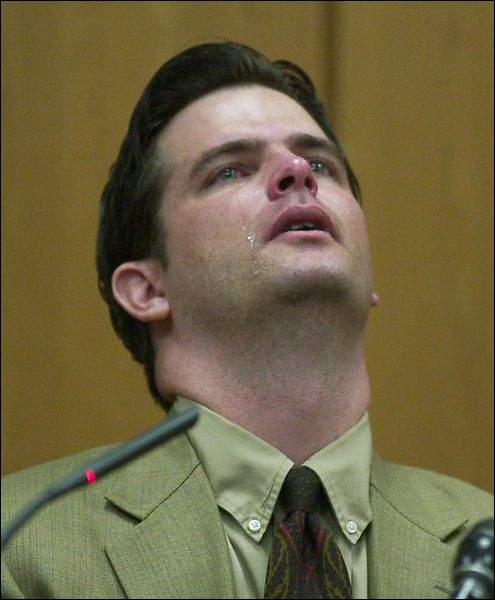
In 2005, Rigterink was found guilty of two counts of first-degree murder and sentenced to death. However, in 2009, the Florida Supreme Court overturned the conviction and death sentence, ruling that the police had failed to properly advise Rigterink of his right to counsel during the interrogation, rendering his confession inadmissible. The case remains a significant precedent regarding the adequacy of rights waiver forms.