Forensic & Criminological Matrix
| Parameter | Forensic Detail |
|---|---|
| Forensic Heading / Aliases | None |
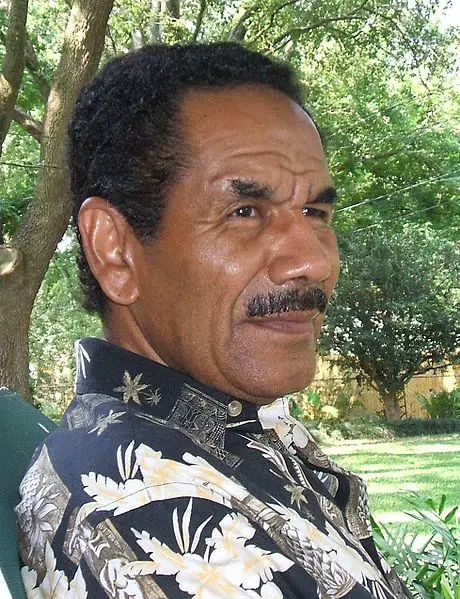
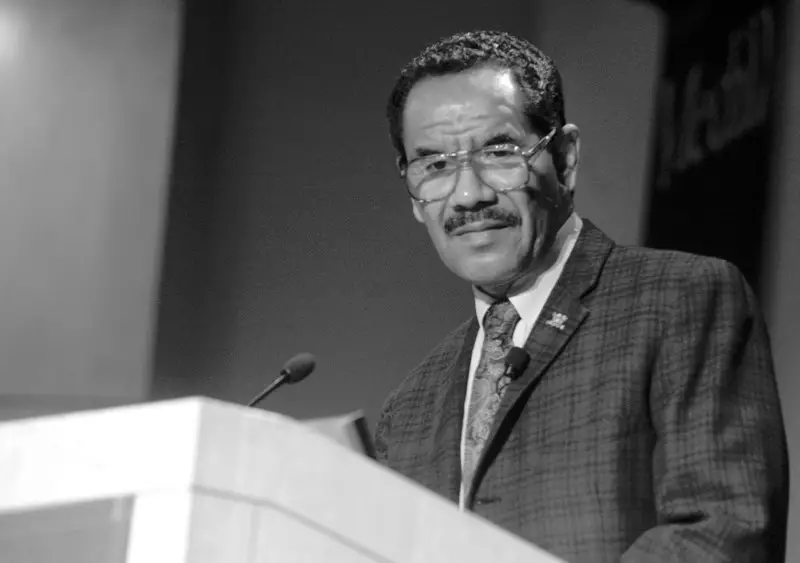
| Legal Identity | Wilbert Rideau |
| Confirmed Victims | 1 |
| Attributed / Indicted Victims | 1 |
| Active Timeline | February 16, 1961 |
| Jurisdiction / Area of Operations | Lake Charles, Louisiana, USA |
| Criminological Classification | Homicide / Violent Offender |
| Forensic Modus Operandi | Armed robbery, kidnapping, and stabbing homicide |
| Weapon / Mechanism of Death | Firearm (robbery) and knife (homicide) |
| Motive / Behavioral Dynamics | Profit and reactive panic |
| Judicial Outcome | Convicted of manslaughter in 2005; released after 44 years served |
1. Background and Psychopathy
Born into poverty in 1942, Wilbert Rideau's early life was defined by instability and lack of formal education. His criminal trajectory culminated in 1961 when he committed a violent bank robbery at age 19.
2. Crime Spree
On February 16, 1961, Rideau robbed the Gulf National Bank of $14,000. He kidnapped three employees, forcing them into a car. Following a chaotic escape attempt, he murdered Julia Ferguson by stabbing her in the heart and slitting her throat.
3. Investigation and Arrest
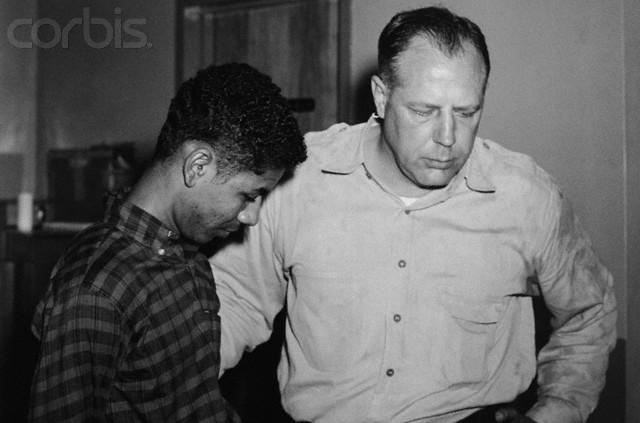
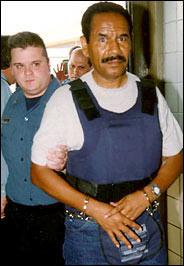
The case became a landmark in U.S. law due to the 'Kangaroo Court' proceedings, where local law enforcement broadcast a coerced confession on television, severely prejudicing the jury pool.
4. Legal Proceedings and Outcome
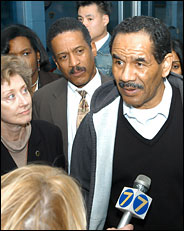
Rideau faced four trials. The first three resulted in death sentences, all overturned due to constitutional violations and racial discrimination in grand jury selection. In 2005, he was convicted of manslaughter and released based on time served.
5. Rehabilitation and Legacy
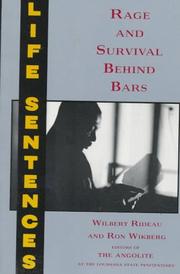
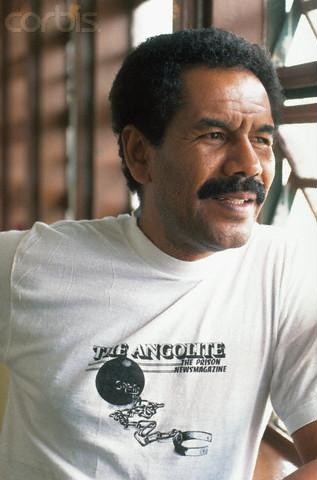
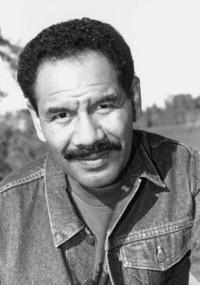
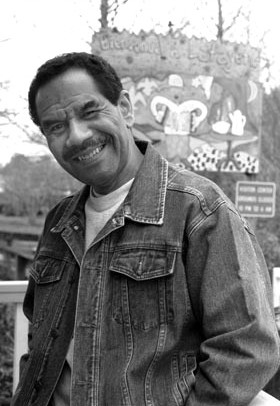
During his 44 years at Angola Prison, Rideau transformed into a renowned journalist and filmmaker, editing the award-winning The Angolite and co-directing the documentary The Farm, which received an Academy Award nomination.