

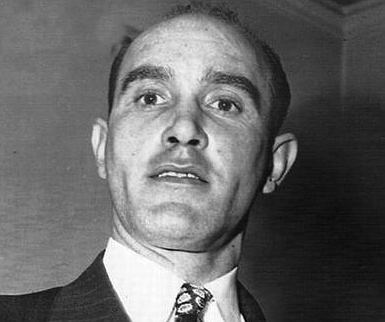
Forensic & Criminological Matrix
| Parameter | Forensic Detail |
|---|---|
| Forensic Heading / Aliases | null |
| Legal Identity | Clarence Virgil Thompson Richeson |
| Confirmed Victims | 1 |
| Attributed / Indicted Victims | 1 |
| Active Timeline | 1911 |
| Jurisdiction / Area of Operations | Boston, Massachusetts, USA |
| Criminological Classification | Convenience Murderer / Mental Disorder |
| Forensic Modus Operandi | Cyanide poisoning |
| Weapon / Mechanism of Death | Potassium cyanide |
| Motive / Behavioral Dynamics | Elimination of engagement / Sexual neurasthenia |
| Judicial Outcome | Death sentence by electrocution |
1. Background and Profile
Clarence Virgil Thompson Richeson was born on February 15, 1876, in Amherst, Virginia. His family history was heavily afflicted with mental illness, and he suffered several significant head traumas during his youth. Throughout his life, he exhibited signs of severe emotional disturbance, obsessive sexual concerns, and paranoid ideation, often described by contemporary alienists as 'hysterical insanity' or 'neurasthenia sexualis.'
2. Crime Spree
While serving as a Baptist minister, Richeson engaged in a pattern of deceptive behavior, including multiple simultaneous engagements. In 1911, while engaged to Violet Edmands, he sought to terminate his relationship with Avis Willard Linnell, who had become pregnant. On October 14, 1911, he provided Linnell with cyanide, claiming it was a medical preparation, leading to her death at the Boston YWCA.
3. Investigation and Arrest
Initially reported as a suicide, the case was reopened following investigative journalism by the Boston Post. The newspaper identified the druggist who sold the poison to Richeson, leading to his arrest on October 20, 1911.
4. Legal Proceedings and Outcome
Indicted on five counts of murder, Richeson initially pleaded not guilty but later changed his plea to guilty. He was sentenced to death. Despite subsequent psychiatric evaluations suggesting he was suffering from a mental breakdown, his petition for clemency was denied by Governor Eugene N. Foss.
5. Psychiatric Evaluation and Execution
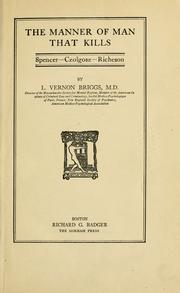
Dr. L. Vernon Briggs, a prominent mental health expert, later argued that Richeson was a victim of his own mental illness and should have been institutionalized long before the crime. Richeson was executed by electrocution on May 21, 1912.