Forensic & Criminological Matrix
| Parameter | Forensic Detail |
|---|---|
| Forensic Heading / Aliases | None |
| Legal Identity | Antonio D. Richardson |
| Confirmed Victims | 2 |
| Attributed / Indicted Victims | 2 |
| Active Timeline | April 4, 1991 |
| Jurisdiction / Area of Operations | St. Louis, Missouri, USA |
| Criminological Classification | Multiple Murderer / Sexual Offender |
| Forensic Modus Operandi | Abduction, rape, and forced fall |
| Weapon / Mechanism of Death | Physical force and height impact |
| Motive / Behavioral Dynamics | Robbery, sexual assault, and sadism |
| Judicial Outcome | Death sentence commuted to life without parole |
1. Background and Psychopathy
Born on September 3, 1974, Antonio D. Richardson grew up in an environment of poverty and neglect. Psychological evaluations conducted after his arrest revealed significant cognitive impairments, with an IQ in the borderline range (70-73). Experts noted that he functioned at the level of a young child in social and daily living skills, making him highly susceptible to peer influence.
2. Crime Spree
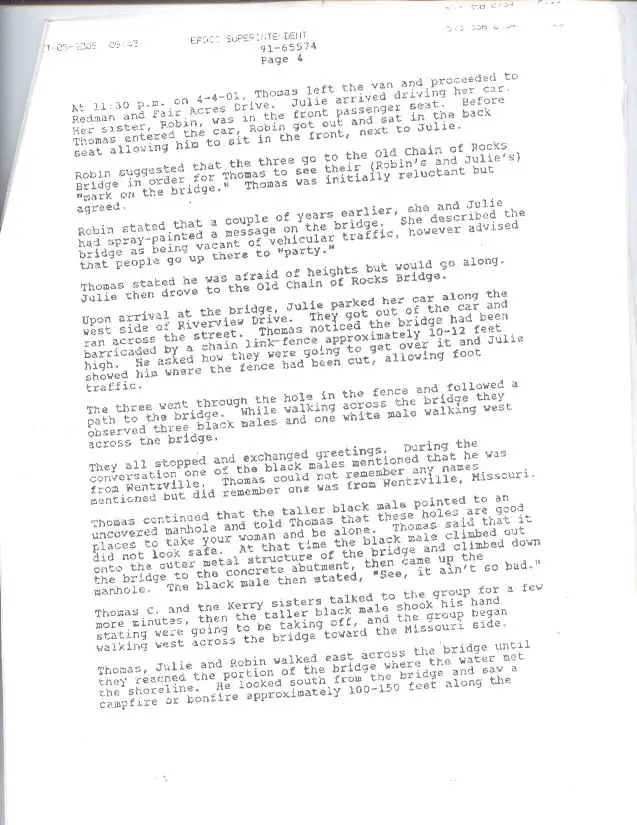
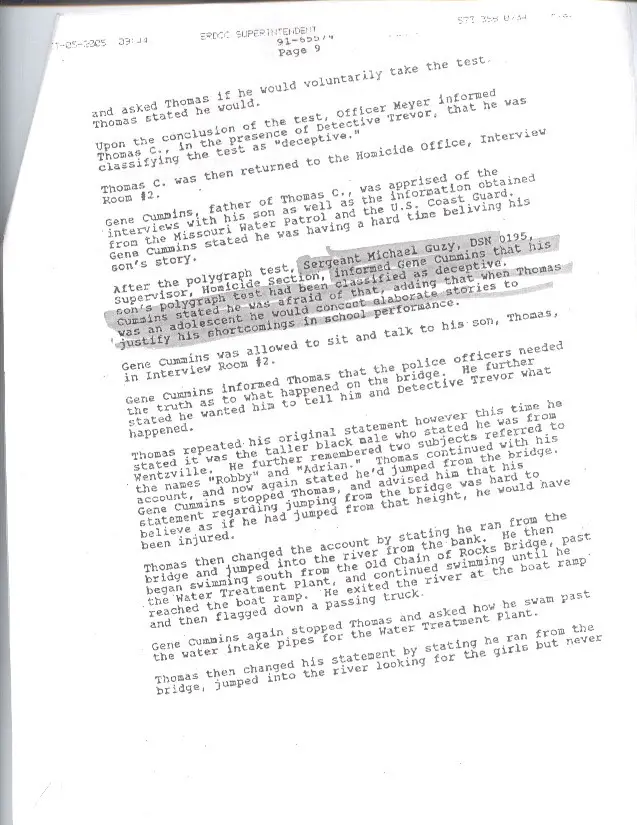
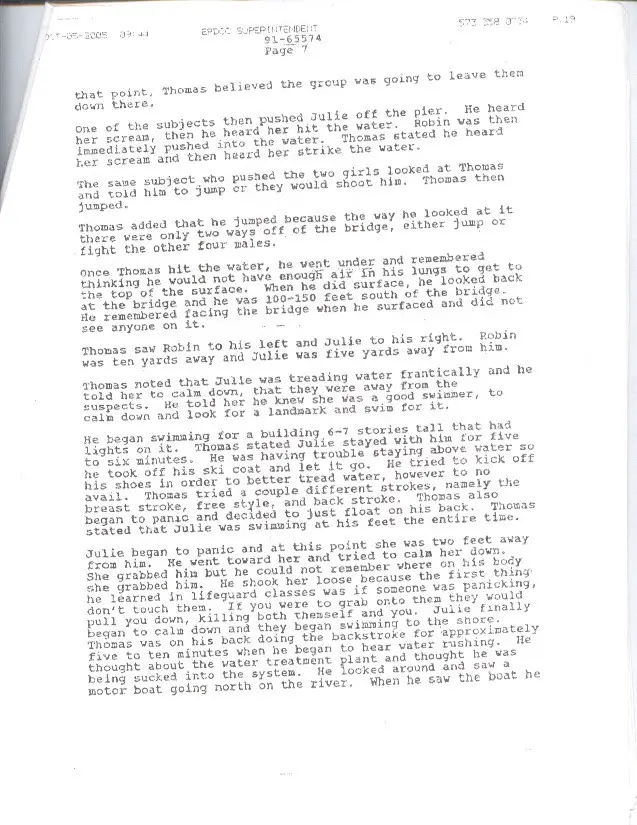
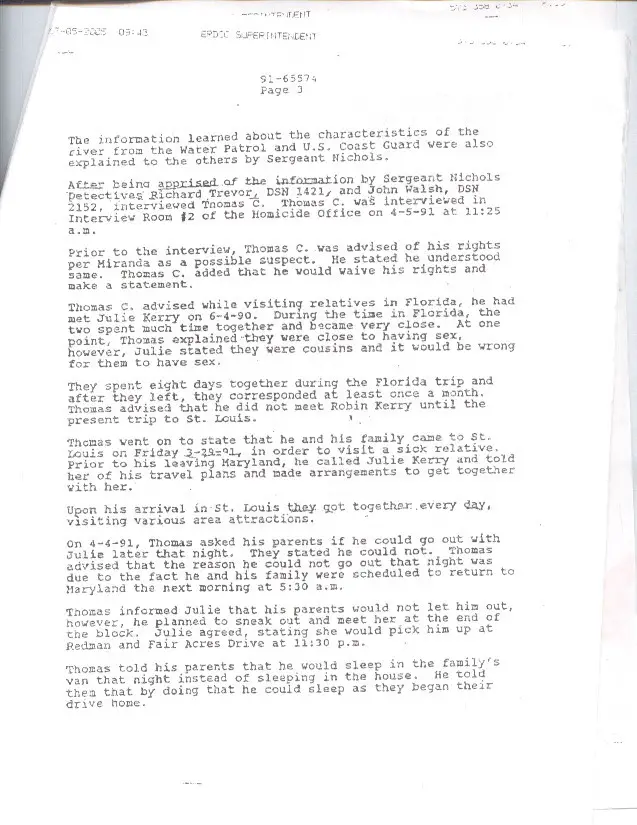
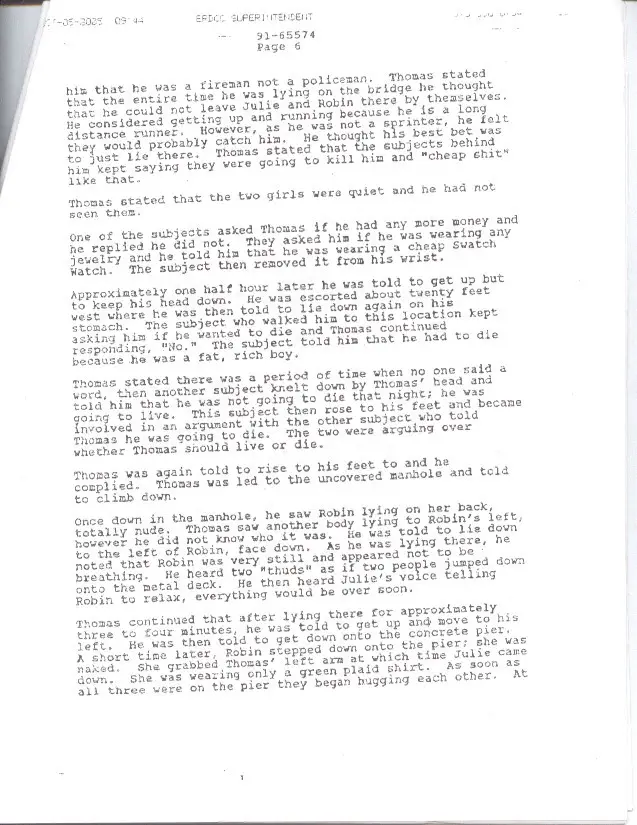
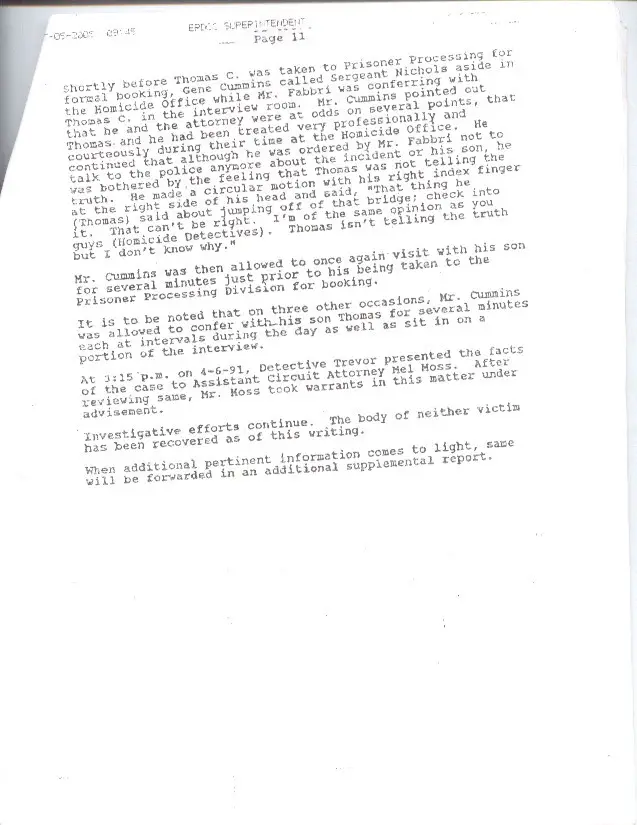
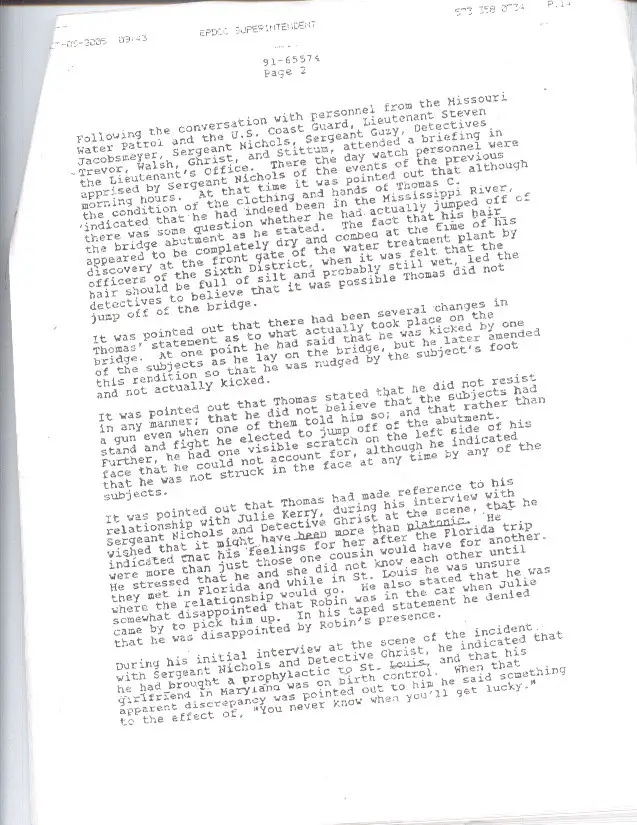
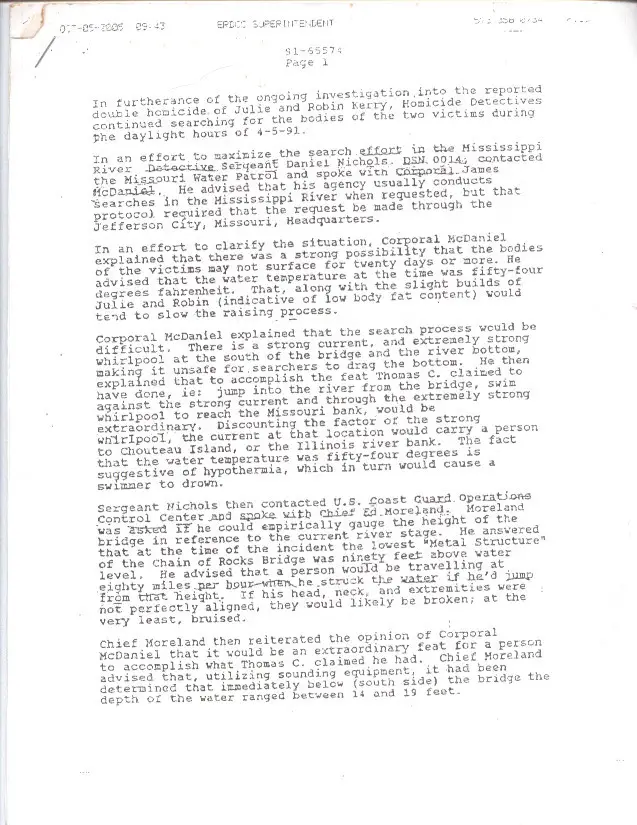
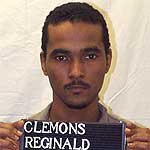
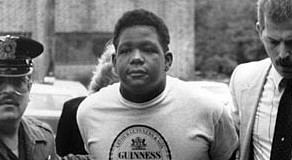
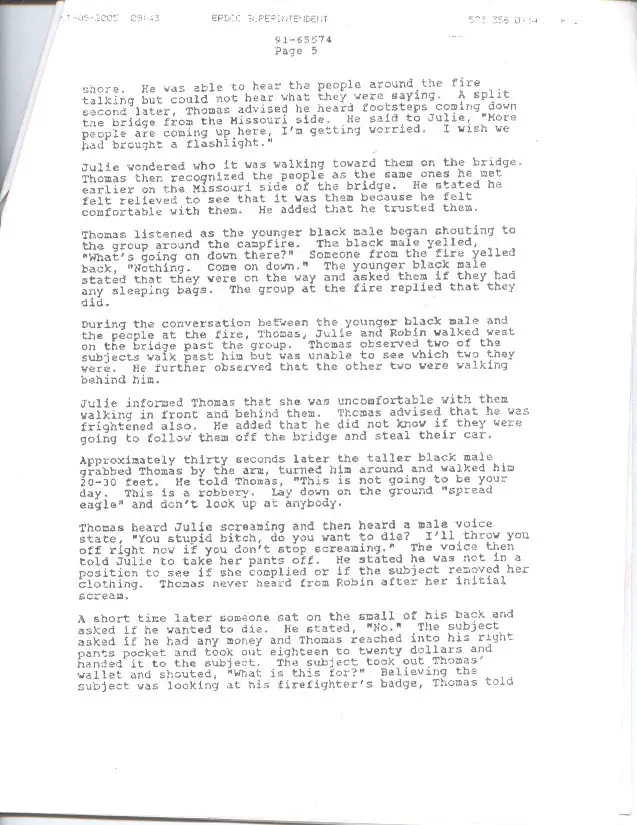
On April 4, 1991, Richardson and three co-defendants (Clemons, Gray, and Winfrey) encountered the Kerry sisters and their cousin on the Chain of Rocks Bridge. The group robbed and sexually assaulted the women before forcing them to jump from the bridge into the Mississippi River. While Cummins survived, the sisters perished.
3. Investigation and Arrest
Following the testimony of the survivor, Thomas Cummins, and the cooperation of Daniel Winfrey, the perpetrators were identified. Richardson was arrested and indicted for first-degree murder.
4. Legal Proceedings and Outcome
Richardson was sentenced to death in 1993. His case became a focal point for debates regarding the execution of individuals with mental disabilities. In 2003, his death sentence was commuted to life imprisonment without the possibility of parole.